Inside Look at Berlin’s Techno Clubs: Neighbourhood Character and Community Vibe
Beyond the beats: how Berlin’s techno hotspots reflect and shape their local neighbourhoods and communities.
Beyond the beats: how Berlin’s techno hotspots reflect and shape their local neighbourhoods and communities.
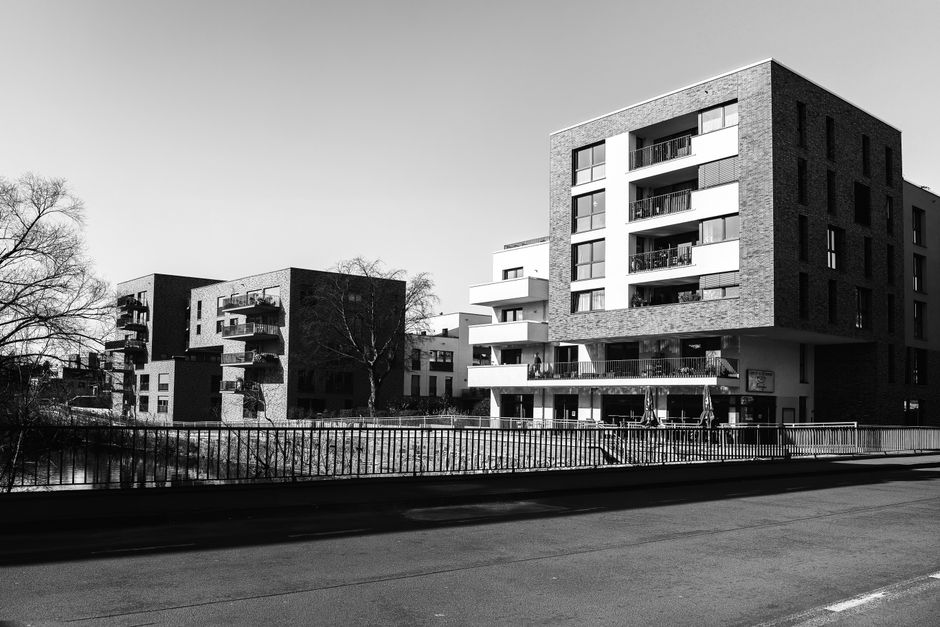
Berlin’s techno club scene, famously pulsating through the city’s night, is deeply entwined with the character of its surrounding neighbourhoods. From the gritty warehouses of Friedrichshain to the creative enclaves of Neukölln, clubs like Berghain and Sisyphos not only host world-renowned DJs but also serve as social hubs, reflecting the spirit and dynamics of their local communities.
In 2026, as post-pandemic nightlife booms and global visitors trickle back, understanding the connection between techno venues and their neighbourhoods offers fresh insight into how Berlin preserves its unique cultural fabric amid ongoing urban change. These clubs remain anchors amid rising rents and shifting demographics, illustrating how nightlife and local identity are interwoven.
Berghain, located on Am Wriezener Bahnhof in Friedrichshain, stands as a symbolic and literal powerhouse of Berlin’s techno world. The area’s industrial past and working-class roots continue to shape the club’s ethos. The massive former power plant building, with its rugged concrete interiors, echoes the neighbourhood’s raw aesthetic. Locals describe the club as more than a party venue-it’s a landmark where various subcultures converge. Meanwhile, the district itself balances residential zones with emerging startups and street art, preserving an edgy, creative vibe that feeds into Berghain’s identity.
Further south in Neukölln, Sisyphos offers a different neighbourhood narrative. Situated near the River Spree in the Lichtenrader Straße area, this open-air club blends natural surroundings with an inclusive community feel. Neukölln’s diverse population, known for its large creative immigrant community and affordable housing compared to central districts, fosters a welcoming atmosphere. Sisyphos reflects this with its relaxed policies and extensive outdoor spaces, integrating the club’s rhythm with the local environment and everyday life of its residents.
The 2026 Berlin Club Commission report, released earlier this year, highlights that over 120 clubs now operate citywide, with techno-focused venues accounting for nearly 40% of that total. The report also notes a steady increase in evening foot traffic in districts like Friedrichshain and Neukölln, where nightly visitors have grown by 12% since 2024. Entry fees at flagship clubs remain competitive; Berghain typically charges between €18-22 per night, while Sisyphos offers a sliding scale from €10 to €20 on weekends, reflecting their efforts to keep access open.
Despite surge in popularity, neighbourhood-driven initiatives, such as the "Neukölln Club Culture Dialogue" organized by local councils and club owners, aim to manage noise and local resident concerns without sacrificing the district’s nightlife vitality. These collaborations emphasize maintaining a balance, showing how nightlife is not an isolated experience but part of a broader community dynamic.
For those seeking to dive deep into the authentic Berlin techno vibe, exploring these neighbourhoods by day reveals cafés, galleries, and markets that mirror and support the club culture after dark. Local businesses on Simon-Dach-Straße in Friedrichshain and Weserstraße in Neukölln illustrate the ongoing symbiosis.
With summer 2026 festivals like Berlin Atonal and classical events returning to venues around the city, the fusion of music, place, and people is more pronounced. For visitors and residents alike, understanding the community spirit behind Berlin’s techno clubs offers richer experiences beyond the dance floor.
Practical advice: those planning to visit should consider arriving early on weekend nights to navigate the often selective entry policies, and explore the nearby streets to soak up the unique local flavour that each neighbourhood brings to the techno experience. Public transport connections via U-Bahn stations like Ostkreuz and Hermannplatz make these areas accessible, supporting sustainable visits that preserve neighbourhood life.
How does this story make you feel?
Spread the word
About this article
Published by The Daily Berlin
Daily brief
Free, in your inbox before 7am. Weekdays.
More in lifestyle