lifestyle
Berlin's Nightlife Shapes Neighborhoods Through Techno Culture and Community
Beyond the concrete facades, the city’s techno institutions remain defined by local identity and the shifting rhythms of the Kiez.
How we reported this
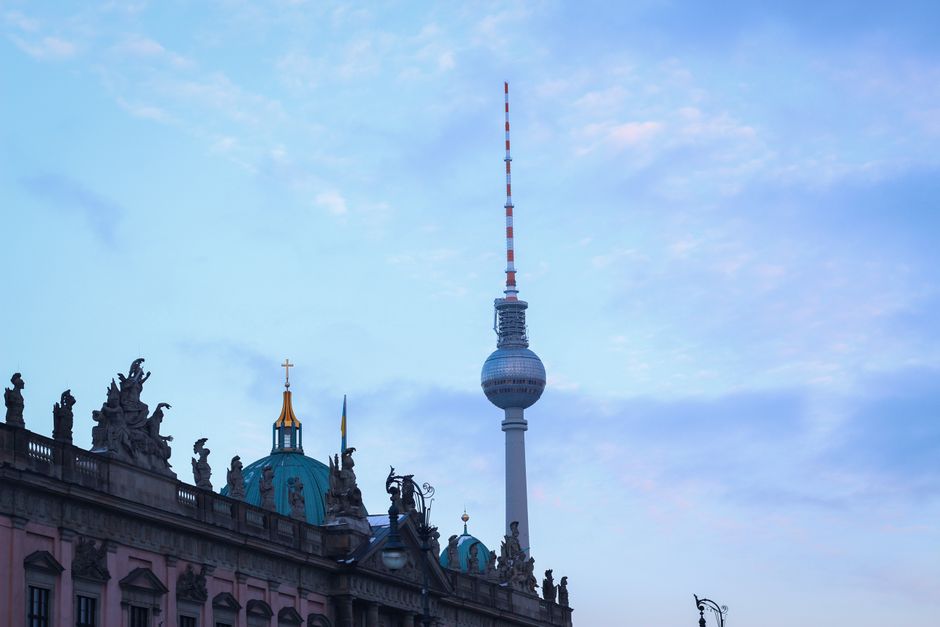
The persistent thrum of sub-bass echoing through Friedrichshain and Kreuzberg this Saturday morning serves as a rhythmic barometer for Berlin’s enduring nightlife sector. While international tourism often frames these spaces as industrial monoliths, the reality is defined by a hyper-local ecosystem where neighbourhood character dictates the door policy and the dance floor atmosphere.
The Evolution of the Kiez Institution
Club culture in Berlin is inextricably linked to the specific geography of the former borderlands. Places like Berghain on Am Wriezener Bahnhof and Tresor, located in a repurposed power plant on Köpenicker Straße, do not merely exist in the city; they function as decentralized community centers. According to the Clubcommission Berlin, the city’s nightlife sector contributes approximately 1.5 billion euros annually to the local economy, a figure that underscores why venues are increasingly treated as essential cultural infrastructure rather than temporary party spaces. The vibe in these rooms shifts drastically depending on whether the crowd reflects the local residents of Neukölln or the transient weekend influx.
The community identity often pivots on the history of the buildings themselves. At Watergate, situated directly on the Spree in Kreuzberg, the floor-to-ceiling windows provide a view of the Oberbaumbrücke that anchors the club to its physical coordinates. This connection to the immediate environment is what keeps the scene from becoming a generic global commodity. The management of these spaces frequently works with local district councils to navigate the complex noise ordinances and licensing regulations that define post-reunification urban planning.
Navigating the Entry and the Etiquette
For those looking to engage with the city’s nightlife, understanding the social currency of the queue is essential. Entry prices generally fluctuate between 15 and 25 euros, depending on the lineup and the specific club’s door policy, which often prioritizes patrons who demonstrate a familiarity with the local electronic music history and the specific ethos of the venue. The Clubcommission Berlin has frequently pointed to the importance of "Awareness Teams"-a standard feature in venues like Renate on Stralauer Allee-which act as internal security focused on consent and creating a safer space for marginalized communities.
As the city moves through July 2026, the intersection of record-breaking temperatures and packed dance floors has led to renewed focus on climate control and building maintenance within these older industrial structures. Residents of nearby apartment blocks remain in constant dialogue with club operators regarding sound mitigation and crowd management. If you plan to visit, arrive before the prime hours of 2 a.m. to avoid the longest waits, but be prepared for a long haul-the best sets often occur well after sunrise when the local regulars have reclaimed the floor.