lifestyle
Berlin's Techno Underground: Inside Friedrichshain and Kreuzberg's Electronic Pulse
From the industrial edges of Friedrichshain to the basement rhythm of Kreuzberg, the city's electronic heartbeat remains tethered to its local roots.
How we reported this
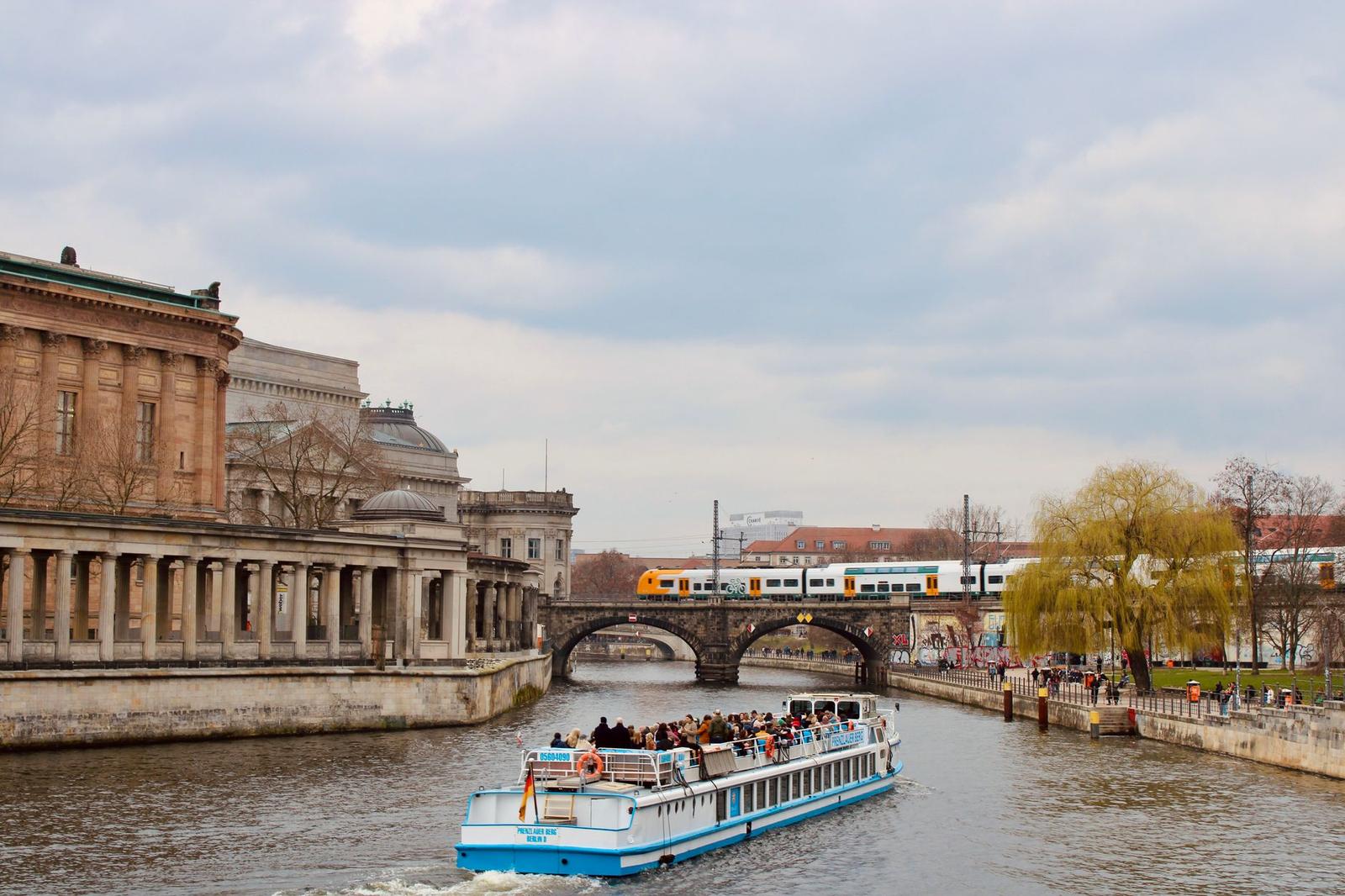
The rhythmic pulse of Berlin’s techno scene is once again finding its cadence in the transition from the city’s post-pandemic recovery to a more stable cultural footing. While the world watches political shifts in Tehran and debates the global impact of major cultural events, the local dance floors in districts like Friedrichshain and Kreuzberg remain occupied with the quiet preservation of a distinct urban identity.
The Geography of Sound
In the industrial corridors near the Spree River, the character of the neighborhood is defined by the endurance of its venues. Institutions like Berghain and Tresor represent more than just nightlife; they operate as focal points for a community that prioritizes sonic immersion over the superficial trends found in other global capitals. The neighborhood vibe in these areas relies on a tacit understanding between the long-term residents and the transient dance population, a balance maintained by strict door policies and a shared commitment to the sanctuary of the club environment.
Walking down Revaler Straße or navigating the sprawl around Köpenicker Straße, the architectural remains of the industrial era provide the structural backbone for these venues. The community vibe here is less about the spectacle and more about the preservation of a specific cultural practice-one that has evolved alongside the rapid development of the surrounding districts.
Economic Realities of the Dance Floor
Operating a major venue in the current economic climate requires navigating rising costs and stringent administrative regulations. According to recent reports from the Clubcommission Berlin, the collective voice representing the city's nightlife, clubs are facing increasing pressure to maintain affordable entry fees while covering the rising operational costs of heritage industrial spaces. Entry costs for weekend-long programming typically range between 20 and 30 euros, a price point that has remained relatively consistent despite wider inflationary trends impacting the German service sector.
For those looking to engage with this scene, the most practical approach remains rooted in patience. The community is protective of its spaces, and success in securing entry often depends on an awareness of the specific programming and the ethos of the venue. Visitors who take the time to understand the history of the location-whether it is a former power plant or an abandoned vault-find a deeper connection to the city's modern character.
As the city moves through the summer months of 2026, the focus for the scene remains on internal stability. Those seeking to participate should monitor official announcements from individual venues, as spontaneous scheduling changes remain a hallmark of the city's agile and decentralized nightlife structure.