A Berlin Resident’s Practical Guide to Navigating the City’s Techno Scene
Beyond the headlines and the queues, here is how to navigate the clubs defining Berlin's nightlife culture.
Beyond the headlines and the queues, here is how to navigate the clubs defining Berlin's nightlife culture.
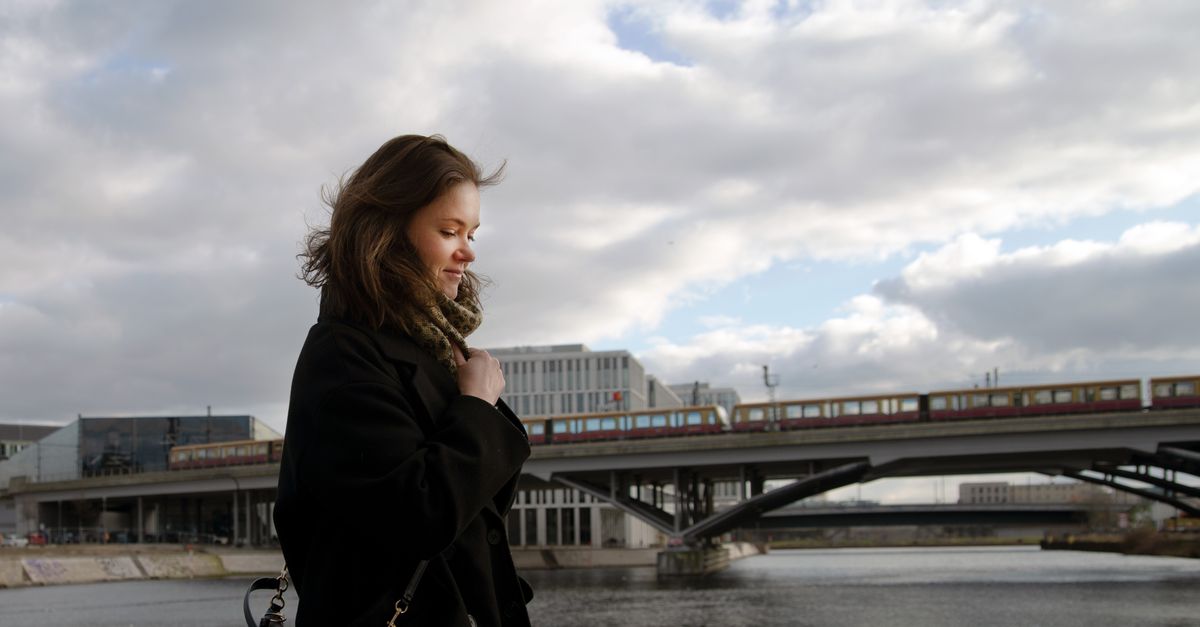
For residents, the sprawling nightlife of Berlin remains a defining feature of the city's identity, with industrial-era spaces in Friedrichshain and Kreuzberg providing the backbone for the global techno sound. While global attention often focuses on the difficulty of entry at certain door policies, the actual experience for those living here relies on understanding the rhythm of the city’s weekend schedule and respecting the established norms within these venues.
Understanding the local landscape requires looking past the social media fame of specific clubs. Venues like Berghain on Am Wriezener Bahnhof and Tresor, housed in the cavernous former power plant on Köpenicker Straße, operate under strict internal policies regarding photography and conduct. These guidelines are enforced by staff to ensure the safety and comfort of patrons within the space. For residents, the best approach remains an awareness of the club's specific musical programming, which can be found on their respective official websites or through local listings such as Resident Advisor.
The reality of a Friday or Saturday night in Berlin is defined by patience. Queues at major institutions often extend for hours, particularly during peak times between 2:00 AM and 4:00 AM. Many regulars prioritize timing their arrival during quieter windows, such as Sunday morning, when the intensity of the weekend crowd has shifted. It is essential for attendees to be aware of the dress code, which typically leans toward utilitarian and comfortable black attire, reflecting the city’s preference for substance over superficial appearance.
Cost is another factor to consider when planning an evening out. Standard entry fees for major techno venues currently fluctuate, typically ranging between 20 and 30 euros depending on the event and the lineup. Cash remains the preferred method of payment at the door for many venues, and while some are beginning to accept digital payments for bar tabs, arriving with sufficient cash is standard practice for any resident navigating the scene. Being prepared with a valid form of identification, such as a Personalausweis or passport, is mandatory for all guests.
Developing a routine helps in managing the demands of the city’s nightlife. Familiarizing oneself with the public transport schedule is crucial, as the U-Bahn and S-Bahn provide the most reliable way to navigate between districts like Mitte and Neukölln during the early hours of the morning. On weekends, the city operates a 24-hour service, ensuring residents can return home after the clubs close on Monday morning.
Respecting the environment is perhaps the most critical piece of advice. This includes adhering to the ‘no-photo’ policy strictly enforced by security at clubs like Sisyphos and Watergate. These rules are in place to preserve the atmosphere and privacy of the dance floor. For newcomers, the advice is simple: show up with an open mind, wear comfortable shoes for long hours on the floor, and remain patient at the door. By integrating these habits, residents can move beyond the tourist experience and become a functional part of the ecosystem that sustains Berlin's reputation as the global capital of electronic music.
How does this story make you feel?
Spread the word
About this article
Published by The Daily Berlin
Daily brief
Free, in your inbox before 7am. Weekdays.
More in lifestyle