lifestyle
Berlin’s Gardeners and Home Makers: The People Bringing Green Spaces to Life
From Kreuzberg balconies to Tempelhof allotments, local stories reveal the heart behind Berlin’s vibrant home and garden scene.
How we reported this
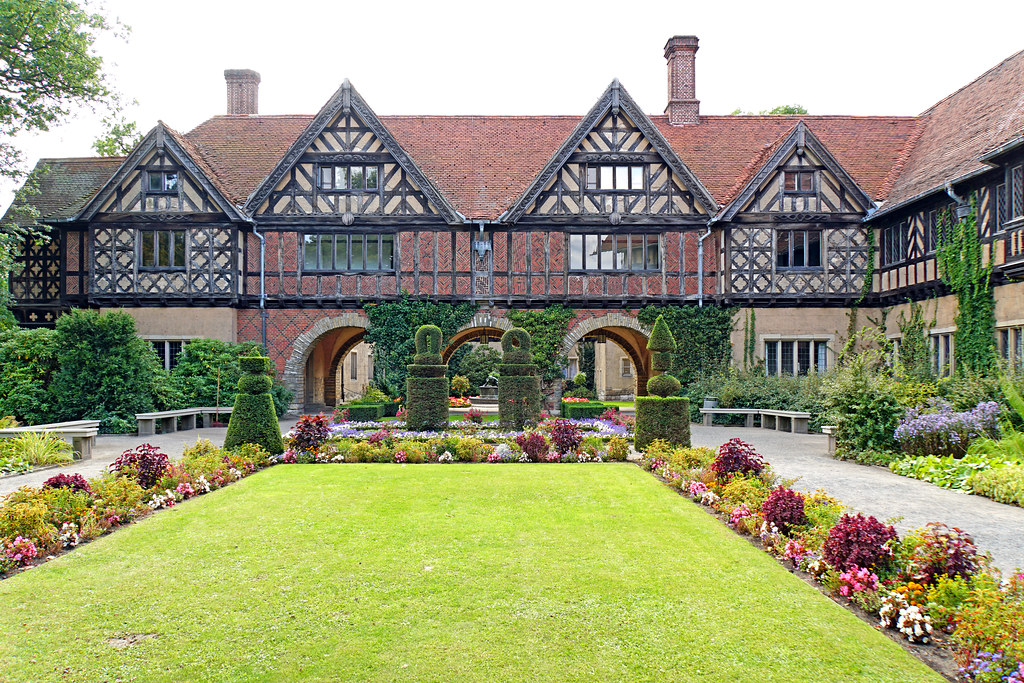
On a warm July morning, the small balcony of an apartment on Prinzenstraße in Kreuzberg bursts with life: tomatoes ripening on the vine, trailing ivy, and the scent of basil fill the air. Here, Maria, a schoolteacher who took up urban gardening during the pandemic, tends daily to her plants, embodying a city-wide movement that is reshaping how Berliners live at home and in gardens.
This boom in home and garden care is not just about aesthetics or hobby for Berliners. It reflects a deeper cultural shift toward sustainability, urban self-sufficiency, and community resilience as the city faces rising housing costs and a changing climate.
Community Roots in Green Berlin
Initiatives such as the Prinzessinnengärten on Moritzplatz and the Tempelhof urban allotments continue to attract local gardeners with diverse backgrounds. The Prinzessinnengärten, founded in 2009, now spans over 6,000 square meters and serves as a social hub for over 500 active members who grow organic vegetables and exchange knowledge in workshops. Likewise, Tempelhof’s 2,500 allotment plots offer city dwellers a rare patch of soil to nurture, often passing down plots through generations.
The Berlin Senate Department for Urban Development supports these initiatives through funding and advisory programs. According to their 2025 Green Spaces Report, the number of private gardens and green balconies in Berlin has risen by 17% since 2020, highlighting a growing enthusiasm for urban horticulture despite dense city living.
Why Home and Garden Matter More Than Ever
Several factors make this personal and community gardening resurgence especially relevant in 2026. Berlin’s average rent prices have climbed approximately 8.3% annually over the past two years, according to data from the Berliner Mieterverein, pushing many residents to seek quality of life boosts through green home spaces. Additionally, the city has experienced hotter summers, stressing the importance of urban greenery for temperature regulation and air quality improvement.
People like Jörg in Neukölln, who transformed his rooftop terrace into a small ecosystem supporting bees and butterflies, showcase how individuals contribute to biodiversity in the urban environment. His involvement with the NGO Stadtbienchen e.V. also illustrates the intersection of community engagement and environmental activism rooted in everyday living spaces.
Moreover, local workshops held at the Berlin Botanical Garden and the DIY Berlin Gartencenter on Hermannstraße provide practical training in sustainable gardening techniques, from composting on balconies to rainwater harvesting solutions. Prices for starter kits range from €25 to €60, attracting a broad demographic eager to try their hand at cultivating plants at home.
Looking ahead, the city is planning to expand public gardening education and improve access to green spaces, with the new "Green Berlin 2030" initiative set to launch this autumn, focusing on integrating more communal green areas in developing neighborhoods such as Friedrichshain and Lichtenberg.
For Berliners interested in joining this green wave, experts recommend starting small-perhaps a windowsill herb box or a modest balcony garden to understand plant cycles-and tapping into community gardens for shared experiences. Many organizations like Prinzessinnengärten encourage newcomers to volunteer, providing tools and guidance, making it an accessible way to connect with the city’s unique lifestyle fabric.