lifestyle
Berlin’s Fitness and Wellbeing Scene: What Sets It Apart Globally
From urban green spaces to community-focused wellness centres, Berlin blends lifestyle and fitness like no other city.
How we reported this
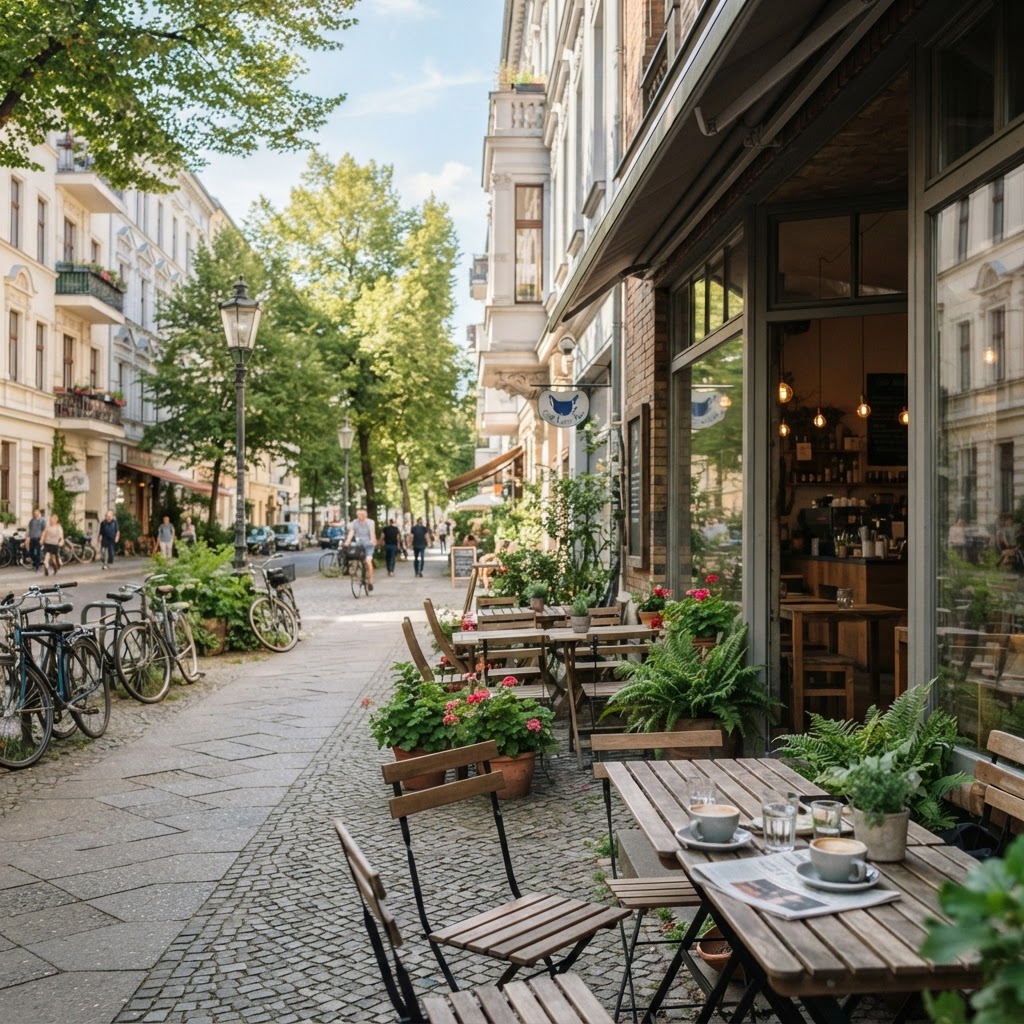
Berlin is carving out a distinctive niche in global fitness and wellbeing trends, driven by its blend of accessible outdoor spaces, strong community initiatives, and innovative wellness programs. The city’s commitment to integrating fitness into everyday life distinguishes it from other major urban centres worldwide.
As fitness culture worldwide evolves beyond gyms and gyms-only approaches, Berlin’s lifestyle reflects broader shifts towards holistic health, mental wellbeing, and sustainability. The timing aligns with increased global attention on post-pandemic health consciousness and the rise of hybrid fitness models, where physical activity dovetails with community and nature.
Urban Nature and Community at the Core
Berlin’s urban fabric is woven with extensive parks and green spaces that serve as natural fitness arenas. Tempelhofer Feld, the site of the former airport, stands out-a 355-hectare expanse in the Neukölln and Tempelhof districts that doubles as a sprawling outdoor sports and recreational area. It offers everything from cycling and rollerblading to kite surfing and yoga classes, reaffirming the city’s passion for active lifestyles in public spaces.
Alongside these green lungs, community-oriented initiatives make Berlin’s fitness culture uniquely inclusive. Take the Bewegungsfelder network, a local nonprofit that organizes affordable group exercise activities like outdoor Pilates and functional training across multiple neighbourhoods, including Friedrichshain-Kreuzberg and Mitte. Classes typically cost between €5 and €10 per session, making fitness accessible even amid rising urban living costs.
Numbers Behind Berlin’s Wellness Boom
Berlin boasts more than 700 registered sports clubs and a growing number of boutique fitness studios, reflecting rising demand. According to a 2025 Berlin Senate report, 48% of the city’s residents engage in regular physical activity at least three times per week, up from 42% in 2020. This increase correlates with the city’s extensive investment in cycling infrastructure-over 1000 kilometres of bike lanes are planned or completed as of mid-2026-reinforcing exercise as a natural part of daily commuting.
Wellness centres such as Meridian Spa & Fitness, with venues in Charlottenburg and Prenzlauer Berg, cater to a clientele seeking integrated health solutions beyond simple workouts. Membership ranges from €60 to €90 monthly, with packages including fitness classes, spa access, and nutritional counselling. Facilities also emphasize sustainability, implementing energy-saving measures rare in similar international chains.
Berlin’s mental health and mindfulness offerings are also expanding. The Mindful Berlin initiative launched this year promotes daily meditation and stress-reduction sessions held in culturally significant locations such as the Berliner Dom and Volkspark Friedrichshain, drawing participants from diverse backgrounds.
Looking ahead, collaborations between city authorities, private fitness entrepreneurs, and grassroots groups aim to deepen community outreach and extend fitness options to underserved neighbourhoods. Public workshops scheduled for the next quarter will gather resident feedback on needs and barriers, helping shape inclusive policy-particularly around affordable access.
For Berliners and visitors alike, taking advantage of the city’s blend of green spaces and community fitness programs is straightforward. Whether exploring a cycling route starting from Tempelhofer Damm or joining a free Bewegungsfelder session in Görlitzer Park, options abound for integrating movement with sociability. The city’s evolving infrastructure also encourages adopting active transport modes-for instance, renting an e-bike through services like Lime or Nextbike to explore neighbourhoods and keep fit.
Berlin’s approach makes it clear: fitness does not have to mean solitary gym hours or expensive memberships. It can be deeply social, embedded in everyday life, and harmonized with the city’s unique character. As fitness and wellbeing culture continue advancing globally, Berlin remains a city to watch for its grassroots spirit and urban innovation shaping the future of healthy living.