lifestyle
Parenting in Berlin: Inside Look at Neighbourhood Character and Community Vibe
Exploring how families shape and experience the distinct atmospheres of Berlin’s neighbourhoods today.
How we reported this
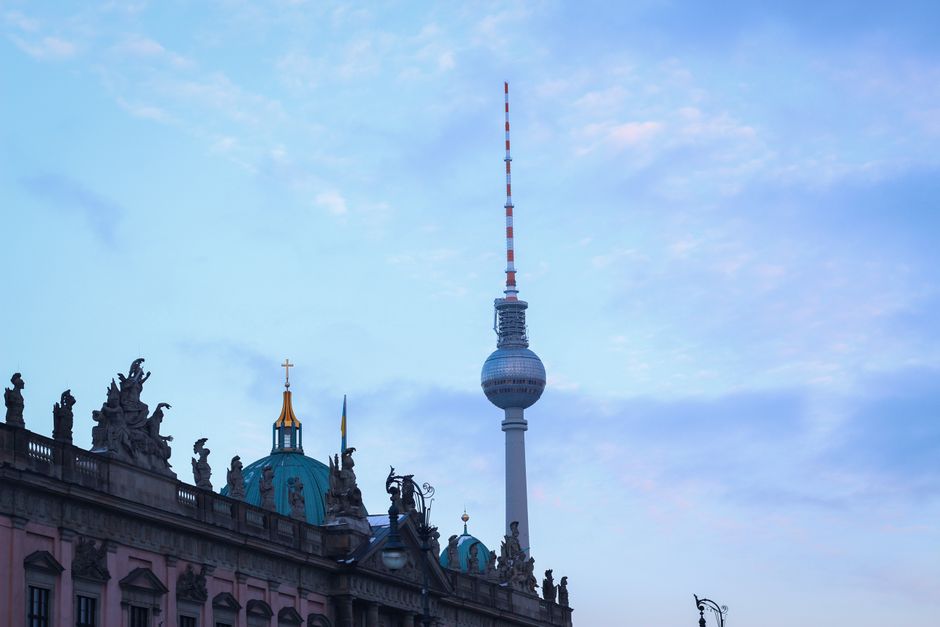
Berlin’s neighbourhoods offer a patchwork of unique atmospheres that shape the parenting experience, from the leafy streets of Prenzlauer Berg to the dynamic mixture of cultures in Kreuzberg. This summer, as the city’s population hits a new high with more families settling in, the question of how community character influences raising children has become increasingly relevant.
Why does it matter now? Berlin’s changing housing market and evolving social infrastructure mean that the neighbourhood where parents choose to raise their children can profoundly affect their daily lives, access to facilities, and sense of community. After years of population growth-last recorded by the Amt für Statistik Berlin-Brandenburg in early 2026 at nearly 3.9 million residents-local services and spaces have been adapting to a surge in young families.
Neighbourhoods That Define Parenting Experiences
Prenzlauer Berg, anchored by Kastanienallee’s family-friendly cafés and the bustling Mauerpark with its large Sunday flea market, remains a magnet for young parents. The area’s mix of green spaces, playgrounds, and educational institutions like the bilingual Kindergarten Berlin Mitten highlight its appeal. By contrast, Kreuzberg offers a distinct vibe with its multicultural streets around Oranienstraße, where community centres such as the Kinderbauernhof (children’s urban farm) provide inclusive spaces that encourage diverse social learning.
In Friedrichshain, the Volkspark Friedrichshain draws families who enjoy outdoor recreation while also benefiting from the district’s expanding network of child-focused workshops and sports clubs. The integration of urban life with nearby landmarks such as East Side Gallery adds a sense of cultural richness for parents seeking a vibrant yet supportive environment.
Data and Trends Shaping Family Life
Research from the Berghain Urban Studies Institute published in June 2026 indicates that approximately 31 percent of households in Berlin now include at least one child under 14, a notable increase from 27 percent just five years ago. Real estate prices reflect shifting priorities; average rents in child-friendly neighbourhoods like Prenzlauer Berg have risen to around €15 per square metre, substantially higher than Kreuzberg’s average of €12.50.
The city’s investment in community infrastructure complements this trend. The Berlin Senate’s “Familienfreundliche Stadt” initiative, launching a new phase in September 2026, allocates €25 million to expand playgrounds, subsidize childcare, and promote neighbourhood networks designed specifically for parents and children. This program directly targets areas with high young family growth, such as Lichtenberg and Neukölln, where community centres have already reported increased participation in parenting workshops and family events.
Ultimately, choices about where to live and raise children in Berlin interlock with the character and community spirit of each neighbourhood. For parents aiming to find the right balance, pragmatic factors like proximity to daycare, accessibility of cultural venues, and availability of green spaces are as critical as social connection and diversity.
Looking ahead, newcomers and longtime residents alike should tap into local resources such as the parent-run initiative Netzwerk Eltern in Prenzlauer Berg or community gatherings at the Mehringplatz Kiezverein in Kreuzberg. These groups facilitate introductions and support networks vital for parenting in an urban setting.
As Berlin continues to grow, paying attention to the microcosms of neighbourhood life offers families a valuable lens for making informed decisions. Exploring local playgrounds, visiting community centres, and engaging with existing family networks remain practical steps for any parent striving to integrate successfully into their chosen part of the city.