lifestyle
How Kreuzberg is Shaping a Greener Future for Sustainable Living
From community gardens to car-free streets, Kreuzberg’s transformation reflects Berlin’s shift towards environmentally conscious urban life.
How we reported this
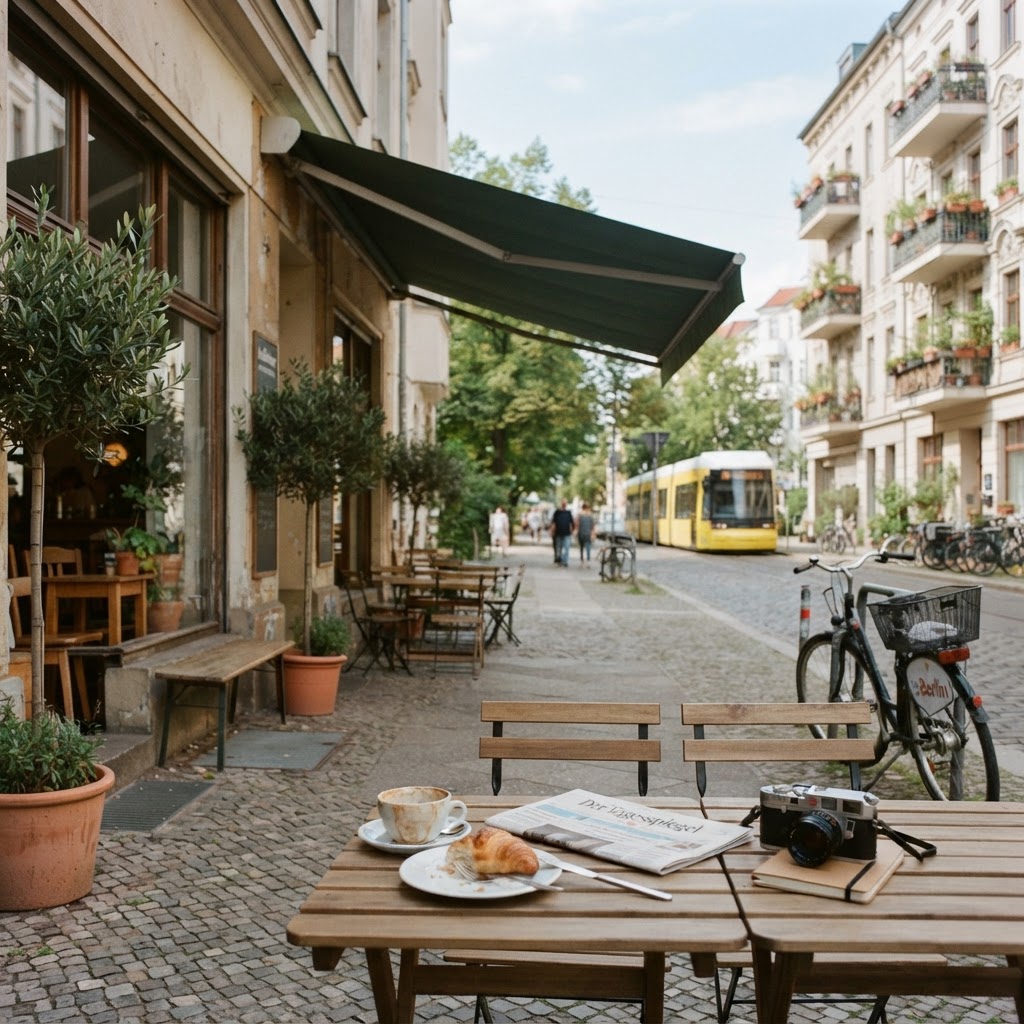
Kreuzberg, once known for its bohemian spirit and street art, is now at the forefront of Berlin's sustainable living movement as it reinvents itself with green initiatives and eco-friendly projects. Over the past year, a series of local programs and community actions have sparked significant changes across this vibrant neighbourhood.
Berlin's urgent climate goals, set to reduce carbon emissions by 40% compared to 1990 levels by 2030, have pushed local districts to innovate and adopt sustainability measures. Kreuzberg’s growing population-now about 153,000 residents-has created a unique testing ground for these efforts, providing a model for how dense urban areas can evolve to meet environmental challenges.
Kreuzberg’s Eco Initiatives Take Root
At the heart of Kreuzberg’s green transition is Görlitzer Park, where community-driven gardening projects have expanded since spring 2025. The “Grüne Oase” initiative, managed by the local bureau Umweltbrücke, has planted over 1,200 trees and wildflower patches throughout the park to bolster biodiversity and improve air quality. Meanwhile, the nearby Markthalle Neun food hall is now hosting monthly zero-waste markets that encourage residents to buy locally sourced, unpackaged produce and goods.
The neighbourhood has also embraced sustainable transport. The Friedrichstrasse corridor now boasts extended bike lanes and widened pedestrian zones, solidifying Berlin’s reputation as one of Europe’s most bike-friendly capitals. Car traffic in Kreuzberg’s center decreased by 18% in the past 12 months following the implementation of new car-free zones, according to data from Berlin’s Senate Department for the Environment, Transport and Climate Protection.
Data Shows Positive Impact and Growing Engagement
According to a 2026 report from the Berlin Senate, Kreuzberg’s efforts contributed to a 12% drop in local CO2 emissions since mid-2025, outpacing many other districts. The average resident’s ecological footprint in this area is estimated at 4.1 global hectares, compared to Berlin’s citywide average of 4.7, reflecting the tangible effects of these sustainable lifestyle choices.
From a financial perspective, energy-efficient retrofitting in residential buildings along Oranienstraße has increased energy savings by roughly 30% per household on average, cutting down utility costs by approximately €250 annually. These improvements have been facilitated by municipal subsidies totaling €500,000 earmarked for sustainable home upgrades within Kreuzberg.
Local organizations like the Kreuzberg Sustainability Network (KSN) continue to propel awareness campaigns and workshops, empowering citizens with practical knowledge about reducing waste, conserving energy, and supporting green businesses.
With summer festivals such as the annual Fusion of Cultures starting to focus on sustainability, including waste sorting and reusable utensils, Kreuzberg demonstrates how lifestyle adjustments can embed eco-consciousness into community traditions.
Looking ahead, residents and city planners aim to expand these initiatives to neighbouring Friedrichshain and beyond. Practical steps for those looking to participate include joining community gardening days at Görlitzer Park, shopping at Markthalle Neun’s zero-waste events, or switching to bike commuting via the newly developed lane network. As Kreuzberg’s example shows, sustainable living in Berlin is not just about policy but also about everyday choices that reshape urban life from the ground up.