lifestyle
Parenting in Prenzlauer Berg: How the Family Scene is Adapting to City Life
From communal playgrounds to innovative childcare, Prenzlauer Berg reshapes the urban parenting experience in Berlin.
How we reported this
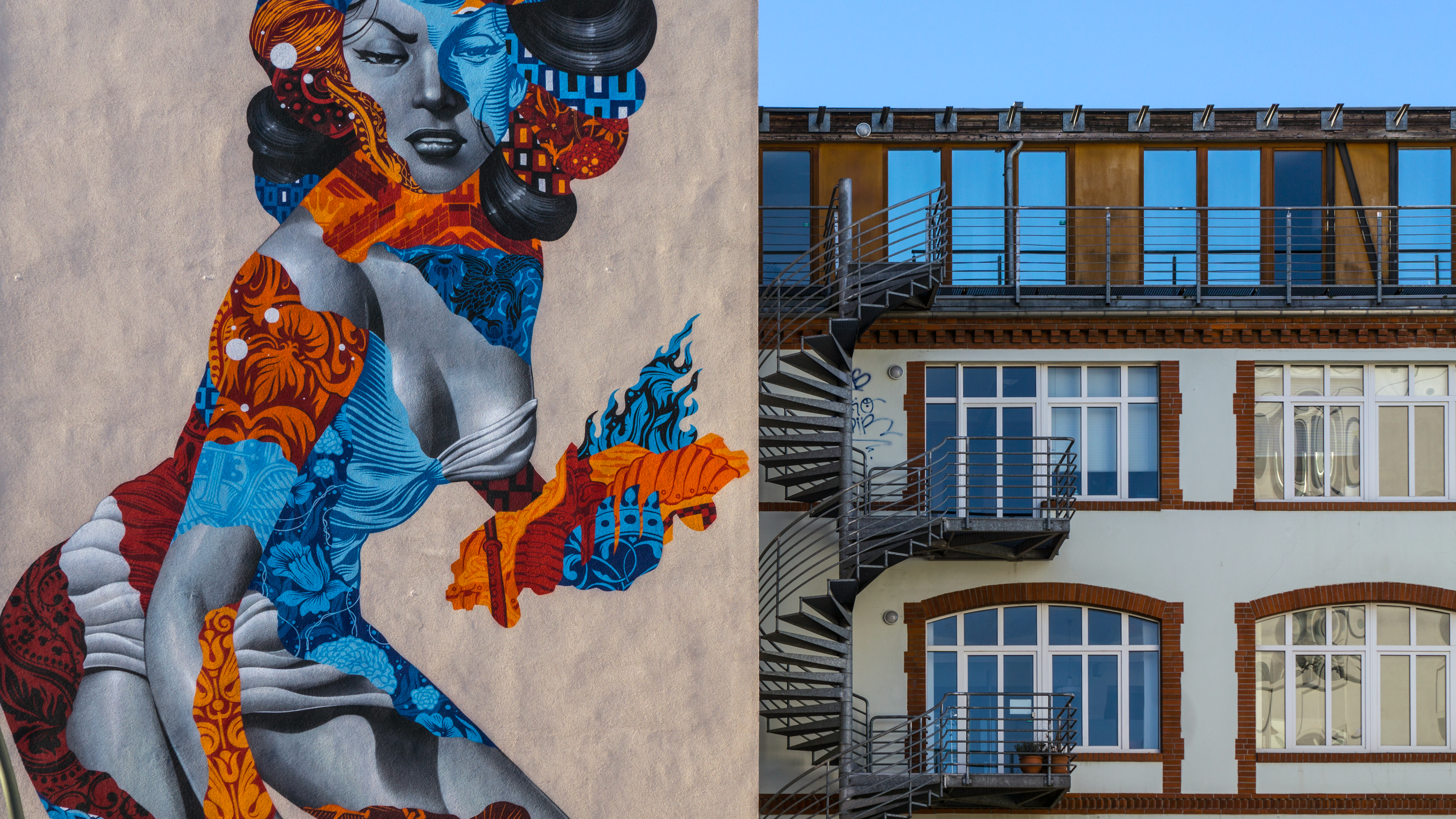
Once known primarily for its vibrant nightlife and creative scene, Berlin’s Prenzlauer Berg is now witnessing a remarkable shift towards family-friendly living. New childcare options, community initiatives, and urban spaces designed for parents and children are radically changing how families experience city life in this popular neighbourhood.
This transformation comes amid rising birth rates and an increasing number of young families relocating to central Berlin districts. As property prices climb and urban density increases, parents are redefining what it means to raise children in Berlin, seeking a balance between the conveniences of city living and the needs of growing families.
Community and Infrastructure Adapting to Parents' Needs
Several local organisations have stepped up to address this shift. “Kindergarten mit Herz” on Oderberger Straße recently expanded its facilities to accommodate 50 additional children, responding to growing demand for accessible early childhood education. Additionally, the Panke-Kinder Garten cooperative has opened up a new shared playground space along the Panke riverbank, designed to encourage community bonding among families.
Moreover, the district has seen an increase in parent-focused events and support groups. The annual Prenzlauer Berg Familienfest, held this spring at Kollwitzplatz, attracted over 3,000 attendees, featuring workshops, outdoor activities, and local vendors catering specifically to young families.
Numbers Reflect a Growing Trend
According to the Berlin Senate Department for Education, Youth, and Family, Prenzlauer Berg recorded a 15% increase in registered children between ages 0-5 over the past two years. At the same time, rental prices for three-bedroom apartments on Knaackstraße and surrounding streets have risen by approximately 10% since early 2024, reaching an average of €2,000 per month.
The demand for childcare is equally intense: almost 80% of daycare spots in the area were occupied within the first week of the 2026 registration period. This pressure has prompted local authorities to speed up approval for new family centres and investment in playground refurbishments across the neighbourhood.
For parents navigating these changes, experts suggest early engagement with community resources and flexible childcare arrangements. Berlin’s Family Services Office offers advisory sessions on available programs, while local groups like ‘Berliner Elterntalk’ provide peer support and information exchange.
With continued urban development planned along Kastanienallee and investments targeting child-friendly infrastructure, Prenzlauer Berg is poised to become one of Berlin’s leading family neighbourhoods. Parents here can expect more opportunities to balance active city lifestyles with their children’s needs, making it a compelling example of how urban spaces can evolve in response to demographic shifts.