Berlin's education chiefs warn of 'critical' teacher shortage as experts call for urgent reform
Senior officials and academics outline growing challenges facing the city's schools and universities as enrollment pressures mount across the capital.
Senior officials and academics outline growing challenges facing the city's schools and universities as enrollment pressures mount across the capital.
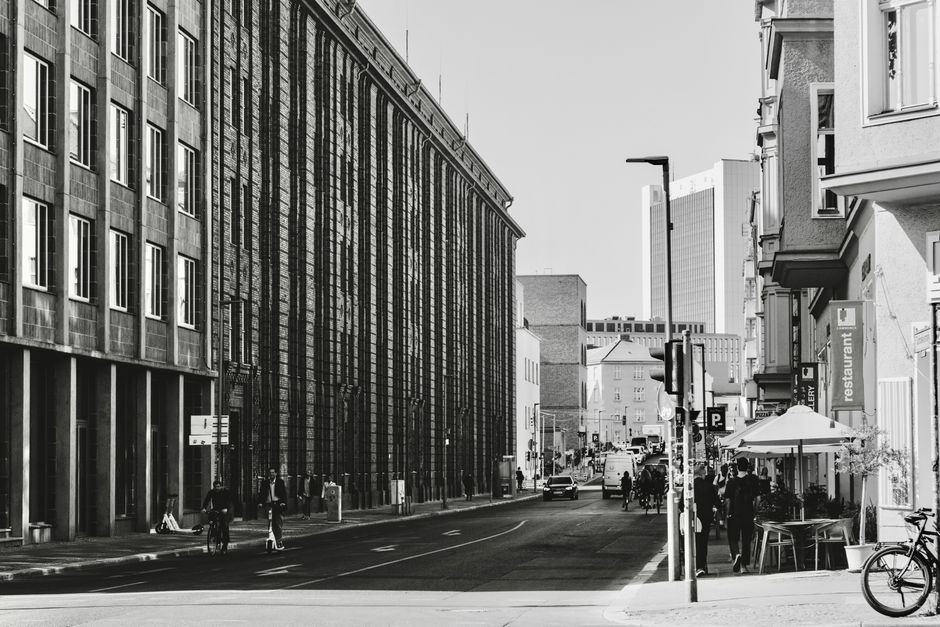
Berlin's education sector is facing a pivotal moment, according to senior officials and academic experts who gathered this week to address mounting pressures on the city's schools and universities. The consensus among policymakers and researchers points to a confluence of challenges that demand immediate intervention.
Officials at the Berlin Senate Department for Education, Science and Research have publicly acknowledged what they describe as a "critical" shortage of qualified educators across primary and secondary institutions. The shortage is particularly acute in mathematics, physics, and special education—fields where demand consistently outpaces available candidates. Berlin's approximately 350,000 students across public schools are served by a teaching workforce facing significant strain, according to statements from department representatives.
Leading academics from institutions including Humboldt-Universität zu Berlin and the Freie Universität have called for systemic reforms to teacher training and retention. Experts point to several interconnected issues: competitive salary disadvantages compared to other German states, rising demand for inclusion education, and the psychological burden many educators face in increasingly diverse classroom environments across districts like Neukölln, Kreuzberg, and Charlottenburg-Wilmersdorf.
University expansion presents another frontier for concern. Berlin's four major research universities currently enroll approximately 180,000 students, with numbers expected to grow further. Officials note that infrastructure investments on campuses in Dahlem, Adlershof, and along the Spree in Mitte have not kept pace with student population increases. Some facilities in central Berlin date to the 1970s and require modernization.
A notable development emerged from discussions at the recent Berlin Education Forum held in Tempelhof: renewed emphasis on vocational training as a counterweight to university-focused pathways. Experts argue that Germany's dual education system—combining classroom learning with apprenticeships—remains underutilized in the capital, despite its success in other regions.
International student recruitment has also surfaced as a policy priority. Berlin's relatively affordable living costs and tuition-free university education have made the city an attractive destination, with international students now comprising roughly 15 percent of the university population. Officials and university leaders argue this trend requires better integration support and housing solutions.
The consensus among those shaping education policy in Berlin reflects broader German challenges: demographic shifts, changing labor market demands, and budgetary constraints. Yet speakers emphasized that the capital's position as a global city creates unique opportunities for innovation in education delivery. How quickly city officials and institutions respond to these warnings may determine whether Berlin's education system can sustain its reputation as a center for learning and research.
This article was compiled by AI from the sources linked above and screened before publishing. See our editorial standards.
How does this story make you feel?
Spread the word
About this article
Published by The Daily Berlin
Daily brief
Free, in your inbox before 7am. Weekdays.
More in News