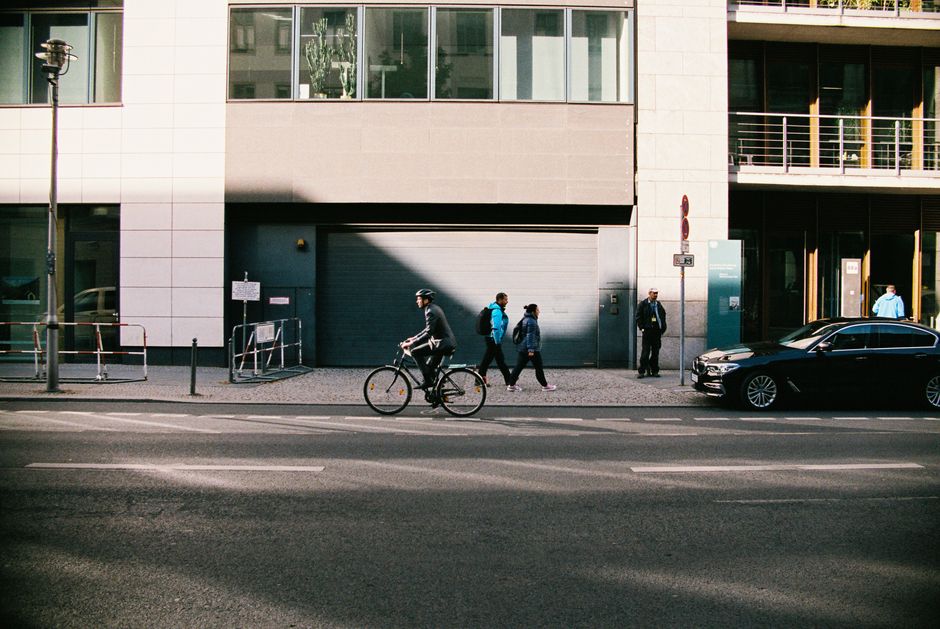
Walk along Kottbusser Damm in Kreuzberg on a Saturday and you'll witness Berlin's central contradiction: a city that prides itself on affordability and creative freedom is rapidly becoming unaffordable for the very communities that built its reputation.
The numbers tell a stark story. Average rents in Berlin have climbed to €12.50 per square metre—a 23 per cent increase since 2022. In sought-after areas like Friedrichshain and Prenzlauer Berg, that figure tops €15 per square metre. For a typical two-bedroom flat in Neukölln, families now expect to pay €900 to €1,100 monthly, a jump that has made entire neighbourhoods inaccessible to teachers, nurses, and service workers who keep the city functioning.
The community impact extends far beyond budgets. Cultural institutions that define Berlin's identity face existential threats. The Kunsthaus Tacheles in Mitte, once a symbol of post-Wall creative occupation, stands as a cautionary tale. Meanwhile, independent venues across Kreuzberg and Wedding report that rising rents for neighbouring residential buildings mean fewer young artists can afford to live nearby, hollowing out the ecosystems that nurture Berlin's underground music and art scenes.
Local organisations are sounding alarms. The Berliner Mieterverein, the city's tenant rights association, reports a surge in displacement cases—up 31 per cent in 2025. Schools in working-class districts report higher pupil turnover as families relocate to cheaper cities like Leipzig or Brandenburg towns. Social cohesion suffers when neighbours constantly change.
The knock-on effects ripple through civic life. Gemeinschaftsgärten (community gardens) in Tempelhof and Kreuzberg become more precious as public spaces, yet funding remains precarious. Local Kneipe culture—the casual pub gatherings that anchor neighbourhood identity—faces pressure as establishments struggle with higher operating costs and changing demographics.
Berlin's political response remains fractured. Discussions about rent controls, cooperative housing models, and developer quotas continue in the Abgeordnetenhaus, but implementation remains slow. Meanwhile, property speculation intensifies, particularly around major transport hubs like Ostkreuz and along the Spree.
What makes this urgent for residents isn't just affordability—it's about whether Berlin remains a genuinely mixed city where working people, artists, families and immigrants can coexist, or whether it becomes another homogenised European capital. The question facing neighbourhoods from Charlottenburg to Köpenick is no longer academic: who belongs in Berlin?
This article was compiled by AI from the sources linked above and screened before publishing. See our editorial standards.