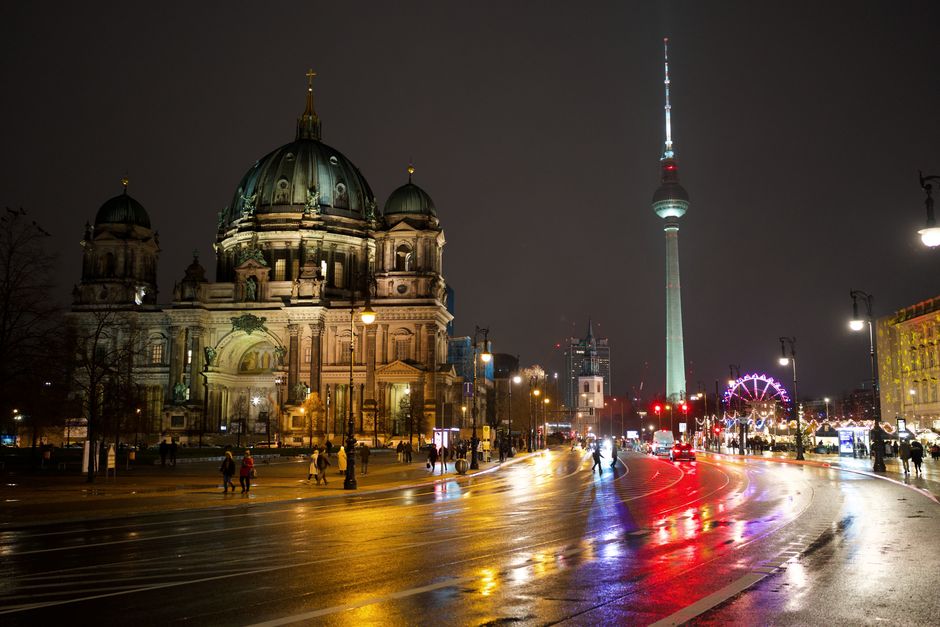
Berlin's ambitious sustainability agenda has positioned the city as a European contender in the global climate race, yet a closer examination reveals how its progress compares unevenly with rival metropolises tackling the same environmental challenges.
The German capital's commitment crystallized in 2016 with the adoption of its Climate Protection Agreement, targeting carbon neutrality by 2050. Last year, the city reduced emissions by 14 percent compared to 1990 levels—respectable progress, yet Copenhagen has already achieved a 61 percent reduction over the same period. Meanwhile, Amsterdam's 2025 interim target saw a 49 percent cut, leveraging decades of cycling infrastructure investment that Berlin is only now beginning to match.
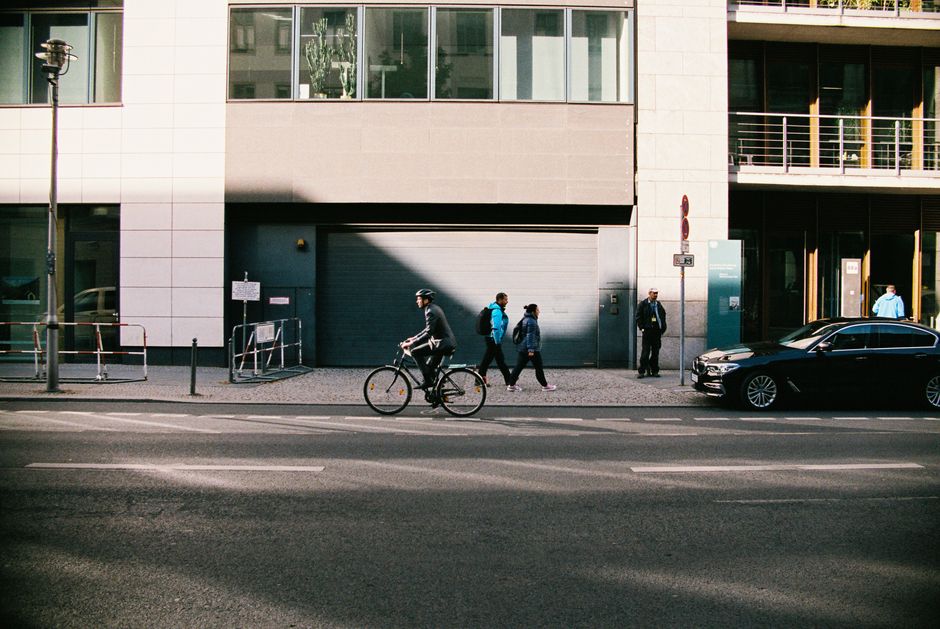
Berlin's transport revolution remains a work in progress. The city's €49-per-month public transit flat rate, introduced in January 2024, has driven ridership increases across the U-Bahn and tram networks. However, the cycling infrastructure falls behind: while Amsterdam boasts over 500 kilometers of dedicated bike lanes, Berlin offers approximately 770 kilometers—but much of it fragmented and requiring significant expansion. The Friedrichshain-Kreuzberg district has emerged as a testing ground, with new protected lanes along Warschauer Straße gaining traction among commuters.
Where Berlin outpaces competitors is in green space innovation. The restoration of the Tempelhofer Feld, the city's decommissioned airport transformed into a 386-hectare public park in 2010, remains one of Europe's most dramatic rewilding projects. This compares favorably to London's slower conversion of its brownfield sites and Paris's more measured park expansion strategy.
The renewable energy sector tells another story. Berlin's commitment to phase out coal by 2030—earlier than Germany's national 2038 deadline—relies heavily on wind and solar infrastructure outside the city proper. Rooftop solar adoption remains sluggish: only 8 percent of suitable buildings have installations, lagging behind German peers like Freiburg, which achieved 12 percent penetration.
Building efficiency offers perhaps the starkest contrast. Berlin's notorious housing shortage has driven rapid new construction, with strict KfW energy standards now mandatory. Yet retrofitting the city's aging stock—particularly the Gründerzeit blocks dominating Charlottenburg and Tempelhof-Schöneberg—remains costly and politically fraught, with gentrification anxieties delaying progress that Vienna has managed more successfully through systematic renovation programs.
The city's sustainability vision is undeniably bold. Yet Berlin's path forward mirrors its broader trajectory: visionary in conception, pragmatic in execution, and perpetually measured against wealthier, smaller neighbors already further down the green transition road.
This article was compiled by AI from the sources linked above and screened before publishing. See our editorial standards.