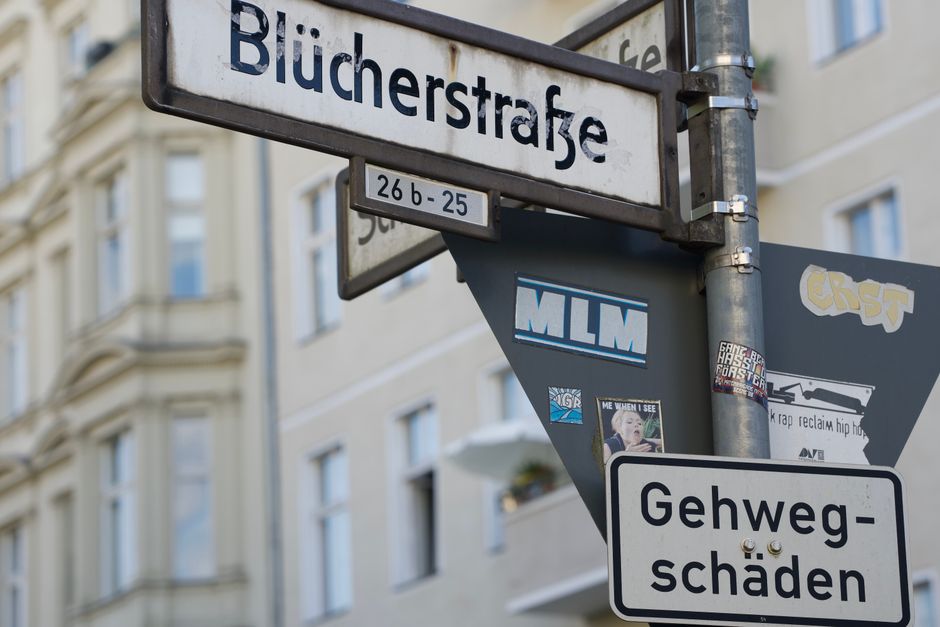
When the Mietshäuser Syndikat released its quarterly housing report last month, the figures made even seasoned housing activists pause: 847 eviction notices filed in Kreuzberg and Friedrichshain-Kreuzberg combined during the first half of 2026—a 34 per cent increase from the same period last year. For a neighbourhood where median rents have climbed from €12 per square metre in 2020 to €18.50 today, the numbers tell a story of systematic displacement.
The Amtsgericht Kreuzberg, which processes roughly 60 per cent of the district's housing disputes, has seen its caseload surge from an average of 340 cases monthly in 2024 to 487 this year. Court records show that 73 per cent involve rent arrears of less than €8,000—amounts that would once have triggered negotiation but now lead directly to termination.
Community centres around Kottbusser Tor and along Mehringdamm report unprecedented demand for their advisory services. The Mieterverein Berlin, which operates a legal helpline from their Hallesches Tor office, fielded 12,400 calls in May alone—double their 2024 average. Their data reveals that 62 per cent of callers are renters earning below €2,200 monthly, with 41 per cent reporting that housing costs exceed 40 per cent of their income.
Perhaps most telling: a survey conducted by the Nachbarschaftsheim Kreuzberg across 340 households in the Mehringdamm corridor found that 28 per cent had received eviction notices in the past 18 months. Among those surveyed, average tenure had fallen to 4.3 years—down from 8.7 years in 2018.
Real estate data from ImmoScout24 shows property purchase prices in the neighbourhood have doubled to €8,200 per square metre, pricing out almost all owner-occupiers. Investment firms now control approximately 31 per cent of the rental stock, compared to 18 per cent in 2015, according to analysis by the Berlin Housing Observatory.
Yet the numbers also capture resistance. The Haus Kottbusser Tor collective, operating since 1972, still houses 52 families at fixed rates. The city's social housing programme, though modest, added 3,847 units across all districts last year. The Mietshäuser Syndikat's collective ownership model now encompasses 168 properties citywide.
These competing statistics—displacement and resistance, evictions and organising—will likely intensify as Berlin's housing shortage pushes rents higher. For Kreuzberg residents, the data has become personal.
This article was compiled by AI from the sources linked above and screened before publishing. See our editorial standards.