How Berlin's Housing Crisis Became the Central Battle of City Politics
Decades of underinvestment and market forces have transformed accommodation into the defining issue facing the capital's fractious coalition government.
Decades of underinvestment and market forces have transformed accommodation into the defining issue facing the capital's fractious coalition government.
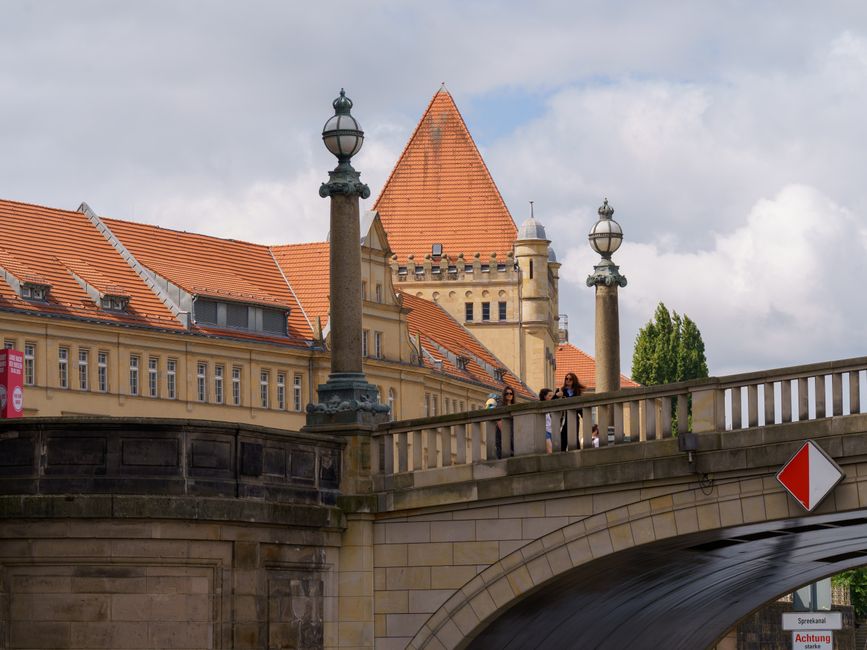
Berlin's current political paralysis over housing didn't emerge overnight. To understand why the city council has spent the past eighteen months deadlocked over residential policy—and why tensions between the SPD, Greens, and Left Party reached a breaking point this spring—requires tracing back through years of structural failure and missed opportunities.
The roots run deep. During the 1990s and 2000s, the city disposed of roughly 280,000 publicly owned flats, often at discount prices, as successive governments pursued neoliberal privatisation policies. At the time, Berlin was seen as a struggling post-Cold War capital that needed to offload liabilities. Few anticipated the tech boom and international investment that would follow.
By the early 2010s, as creative professionals and venture capitalists discovered Kreuzberg and Friedrichshain, rents began climbing. A modest two-room flat in Neukölln that rented for €400 a month in 2010 now commands €1,200. Young families have been pushed toward the outer rings—Köpenick and Spandau—or out of the city entirely. Homelessness, once a manageable social issue, spiked dramatically. The number of rough sleepers in Berlin doubled between 2015 and 2024.
The political response has been fractured. In 2021, voters approved a non-binding referendum calling for the expropriation of large corporate landlords. That result—56 percent in favour—created expectations the ruling coalition struggled to manage. Legal challenges and constitutional concerns delayed action. Meanwhile, construction permitting remained glacially slow; Berlin approved just 8,400 new residential units in 2024, far below the estimated 20,000 annually needed to stabilise the market.
Tensions intensified as the coalition partners disagreed on strategy. The SPD-controlled housing ministry favoured working with private developers and tax incentives. The Greens pushed for mandatory affordable quotas on new builds. The Left demanded radical rent controls. The compromise position—everyone's least favourite option—satisfied no one.
This spring, the collapse of negotiations over the 2026 budget forced a reckoning. Without agreement on housing spending, the coalition fractured. Emergency talks at the Rotes Rathaus in Mitte have continued through June, but the underlying tensions remain unresolved.
For ordinary Berliners—from students seeking rooms in Charlottenburg to families looking to remain in Wedding—the political dysfunction has real consequences. The city that once promised cheap rents and space to reinvent oneself now feels increasingly unaffordable and unstable. Understanding today's gridlock requires remembering those policy choices made a generation ago.
This article was compiled by AI from the sources linked above and screened before publishing. See our editorial standards.
How does this story make you feel?
Spread the word
About this article
Published by The Daily Berlin
Daily brief
Free, in your inbox before 7am. Weekdays.
More in News


