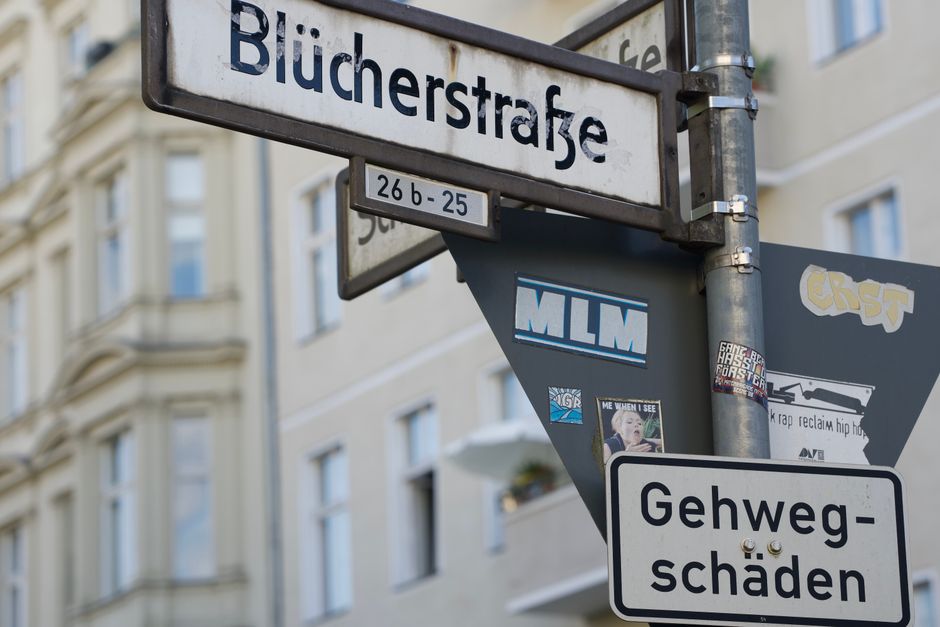
When the Mehringhof cultural venue on Mehringdamm faced closure threats last year, residents of Kreuzberg feared losing yet another anchor point in a neighbourhood already transformed by rising rents and changing demographics. Today, as the refurbished Nachbarschaftszentrum Kreuzberg officially opens its doors on Kottbusser Straße, community organisers say the modest three-storey building represents something far larger than bricks and mortar: a deliberate pushback against the forces fragmenting Berlin's oldest working-class districts.
"We've seen rents in this area jump 40 percent in five years," says the centre's managing director, reflecting concerns shared widely across SO36. "When affordable community spaces disappear, the social fabric goes with them." The new centre—featuring a kitchen workshop, a children's play area, a language exchange programme, and a 60-capacity event hall—costs just €3 per session for residents to book, a deliberate pricing strategy designed to serve the neighbourhood's increasingly diverse population.
The opening arrives at a critical moment. Since 2015, Kreuzberg has experienced demographic shifts reflecting broader Berlin trends: average apartment prices have climbed from €2,800 to €4,200 per square metre, according to recent data from the Immobilienverband Deutschland. Meanwhile, the percentage of residents born outside Germany now exceeds 65 percent, creating both rich cultural diversity and practical integration challenges that informal community spaces traditionally address.
Local schools have reported increasing numbers of children from newly arrived families with limited German language exposure. Pensioners on fixed incomes struggle with spiralling utility costs. Young families are priced out entirely, relocating to outer districts like Köpenick or Spandau. In this context, the Nachbarschaftszentrum functions as something between social safety net and genuine meeting place—spaces where Turkish-speaking grandmothers, Syrian refugees, students, and long-time residents can share meals, skills, and conversation.
The centre's opening was made possible through a combination of council funding, crowdfunding that raised €18,000 from 340 local donors, and partnership with established organisations like the Mehringhof and Kreuzberg Museum. It reflects a broader trend of bottom-up community organising that has become characteristic of Berlin's response to rapid change.
"This isn't romantic nostalgia," says one long-time resident and centre volunteer. "It's about whether a neighbourhood remains a living community or becomes just apartments for people passing through." As Berlin continues attracting international attention and investment, spaces like this one matter because they answer a simple question: Who does the city belong to?
This article was compiled by AI from the sources linked above and screened before publishing. See our editorial standards.