How Kreuzberg's Legendary Squatter Networks Evolved Into Today's Community Land Trusts
Decades after the radical housing activism of the 1980s, Berlin's most contentious neighbourhood has transformed its approach to grassroots organising.
Decades after the radical housing activism of the 1980s, Berlin's most contentious neighbourhood has transformed its approach to grassroots organising.
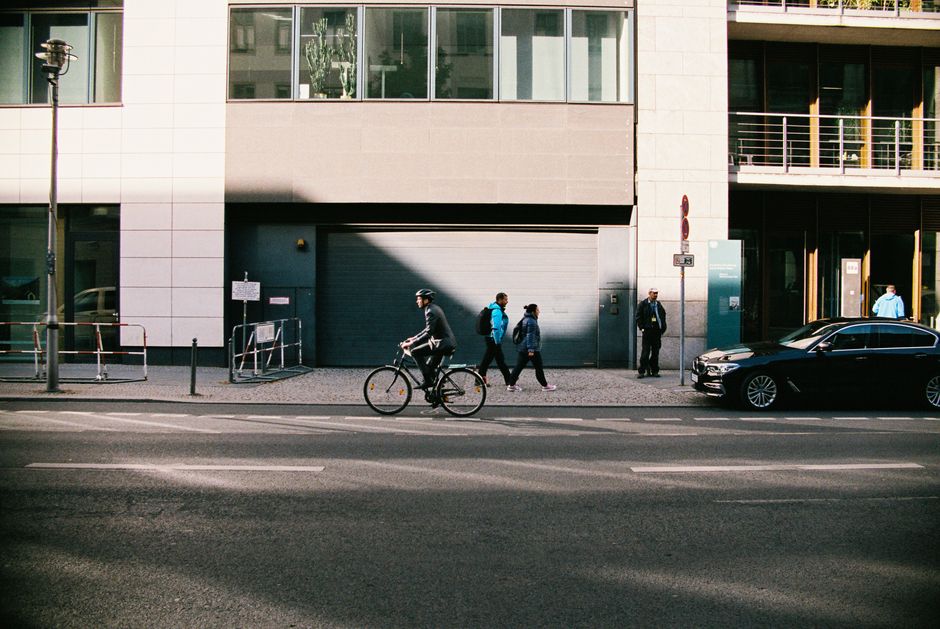
The transformation of Kreuzberg's housing politics reads like a history of Berlin itself. Walk down Kottbusser Str today and you'll see stabilised rents, community gardens, and cooperative living spaces that emerged not overnight, but through nearly four decades of pressure, negotiation, and institutional learning.
In the early 1980s, Kreuzberg was a different beast entirely. The neighbourhood, divided by the Wall and facing systematic disinvestment from West Berlin authorities, became a magnet for squatters and radical activists. Besetzungen—illegal occupations—spread across RAW-Gelände and surrounding blocks as young people responded to a genuine housing crisis. The neighbourhood's vacancy rate hovered near 30 percent while property owners left buildings to decay.
The 1986 riots around Kottbusser Tor marked a turning point. Security forces clashed with protesters resisting evictions, and the images shocked Berlin's political establishment. But rather than leading to suppression alone, the crisis created space for negotiation. Over the following decade, squatter collectives gradually shifted strategy, legalising occupied buildings and transforming them into registered cooperatives.
Today, organisations like Genossenschaften operate across Kreuzberg and Neukölln with remarkable scale. The Friedrichshain-Kreuzberg Housing Cooperative alone manages over 2,000 units, offering rents averaging €9 per square metre—roughly half the contemporary Berlin average. This wasn't handed down; it was extracted through persistent organising.
The shift from antagonistic occupation to institutional cooperation didn't eliminate conflict. Rising property values along the Spree and ongoing gentrification pressures mean the struggle continues. Community land trusts now operate on Admiralstr and surrounding areas, attempting to remove land from market speculation entirely—a radical idea born from decades of housing activism.
What distinguishes Kreuzberg's trajectory is institutional memory. Older activist networks mentored younger organisers. The Mehringhof, established in 1972 as a cultural and community space, became a permanent fixture anchoring civic life. Community radio stations documented struggles and victories. This continuity meant that when real-estate pressure intensified in the 2010s, residents possessed organisational infrastructure to resist.
The neighbourhood remains expensive by any honest measure. Yet the cooperative model, now replicated across Berlin with around 400 housing cooperatives citywide, represents something won through confrontation and persistence. Kreuzberg's history teaches that neighbourhood change doesn't result from market forces alone—it emerges through sustained community organising, institutional patience, and refusal to accept displacement as inevitable.
This article was compiled by AI from the sources linked above and screened before publishing. See our editorial standards.
How does this story make you feel?
Spread the word
About this article
Published by The Daily Berlin
Daily brief
Free, in your inbox before 7am. Weekdays.
More in News