Berlin's Housing Crunch: What Long-Time Residents Really Think About the City's Newcomer Boom
As rents spiral and neighbourhoods transform, we hear from locals navigating the tensions between welcoming newcomers and preserving community.
As rents spiral and neighbourhoods transform, we hear from locals navigating the tensions between welcoming newcomers and preserving community.
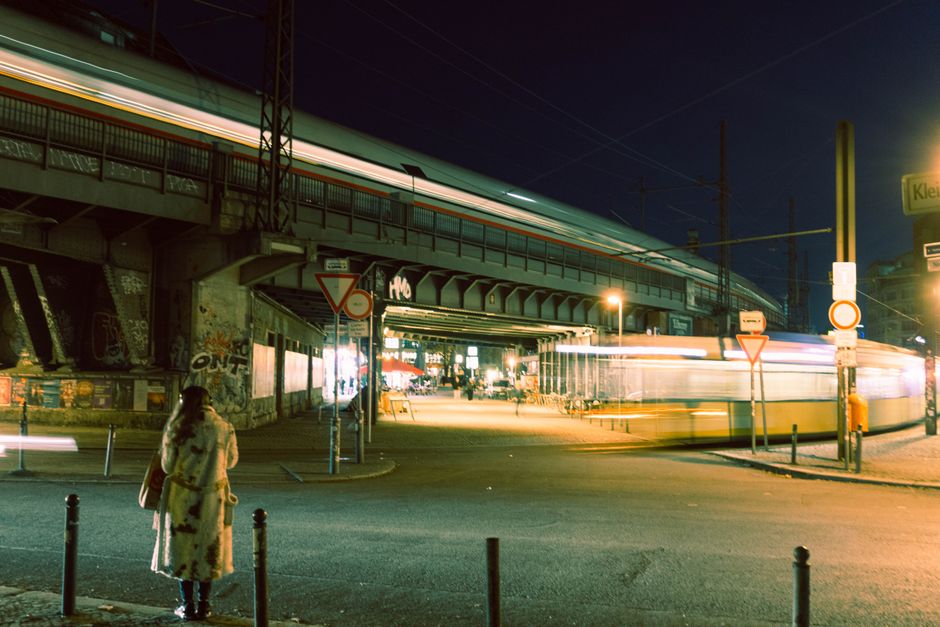
Berlin's reputation as Europe's affordable capital has evaporated. Average rents in Kreuzberg and Friedrichshain have nearly doubled since 2015, yet the city continues attracting thousands of newcomers annually. The tension between growth and preservation is reshaping how established Berliners view their changing neighbourhoods—and it's deeply personal.
Community groups across the city are grappling with this reality. The Mieterverein Berlin, a tenants' rights organisation representing over 70,000 members, reports that displacement remains the primary concern among residents. "People aren't against newcomers," explains a spokesperson. "They're against a system where landlords exploit housing shortages to price out working families." The organisation points to figures showing that median rents in popular areas now exceed €15 per square metre—pricing out service workers, artists, and young families who once defined the city.
In Neukölln, where gentrification pressures are particularly acute, local community centres have become informal advice hubs. Residents describe a paradox: welcoming international arrivals while watching their own neighbours disappear. The neighbourhood's multicultural fabric—already shaped by decades of migration—now faces new pressures as property developers target historically affordable areas.
Yet the story isn't uniformly negative. Cultural organisations across Wedding and Lichtenberg report that newcomers often revitalise struggling venues and small businesses. Local restaurants, independent bookshops, and galleries frequently credit recent arrivals with sustained patronage. The Kunsthofpassage in Friedrichshain—famous for its murals—thrives partly because it attracts both curious newcomers and long-term residents.
What emerges from conversations across districts is consensus around solutions rather than restriction. Community leaders emphasise the need for enforced rent controls, protection of social housing stock, and mandatory community consultation before major developments. The city's ongoing debate over the Baulandmobilisierungsgesetz—federal legislation aimed at accelerating housing construction—reflects this: locals want *more* affordable housing, not fewer newcomers.
For those considering moving to Berlin, the message from established communities is clear: arrive with intention. Engage with local groups like the Nachbarschaftsheim Mehringdamm or district-based initiatives. Learn the neighbourhood beyond its Instagram highlights. Contribute to community life, not just consumption.
Berlin remains a city of possibility, but that possibility increasingly depends on whether newcomers and long-termers can build shared solutions to housing pressure. The neighbourhoods that manage this balance—preserving character while embracing change—offer a template for sustainable growth in an increasingly contested city.
This article was compiled by AI from the sources linked above and screened before publishing. See our editorial standards.
How does this story make you feel?
Spread the word
About this article
Published by The Daily Berlin
Daily brief
Free, in your inbox before 7am. Weekdays.
More in News