Berlin's €12 Billion Transport Overhaul: The Numbers That Tell the Real Story
As the city's ambitious infrastructure programme enters its critical phase, newly released data reveals both the scale of investment and the stark challenges ahead.
As the city's ambitious infrastructure programme enters its critical phase, newly released data reveals both the scale of investment and the stark challenges ahead.
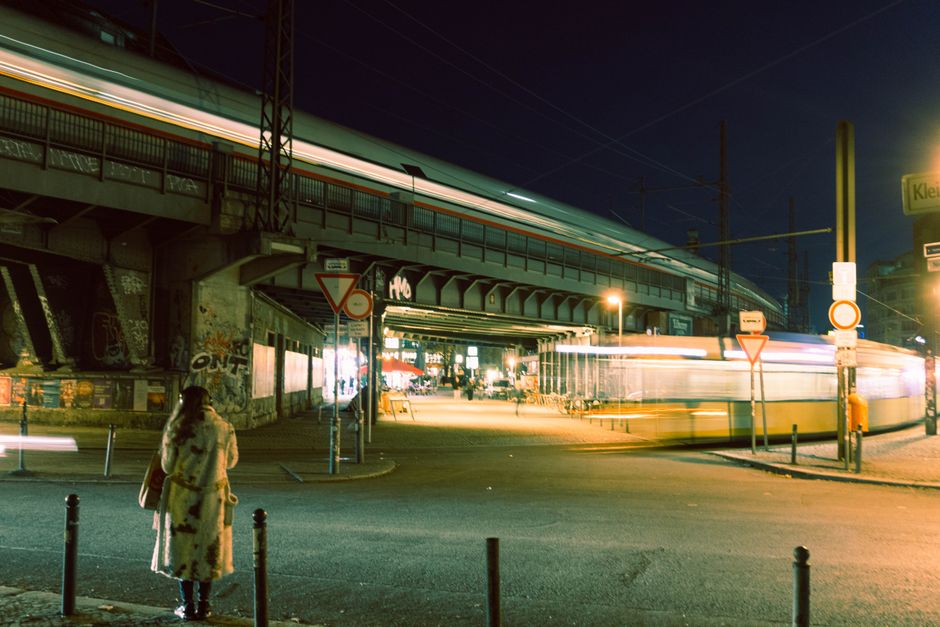
Berlin's transport transformation has reached a pivotal moment. The latest quarterly report from the Senatsverwaltung für Mobilität shows that the city is now 58 per cent through its decade-long infrastructure modernisation programme—a €12.3 billion undertaking that will reshape how 3.6 million residents move through the city.
The numbers paint a complex picture. Since 2020, the BVG (Berliner Verkehrsbetriebe) has invested €2.1 billion in fleet renewal alone, purchasing 1,247 new buses and 218 U-Bahn carriages. Yet despite this injection, average wait times on the U6 line—which serves crucial neighbourhoods from Alt-Tegel through Kreuzberg to Tempelhof—have increased by 2.3 minutes to 8.7 minutes during peak hours, according to internal BVG data released under freedom of information requests.
The M-Bahn reconstruction project, connecting Hauptbahnhof to Potsdamer Platz, represents the flagship venture. Originally budgeted at €890 million when approved in 2019, the current estimate stands at €1.34 billion—a 51 per cent overrun. Construction timelines have slipped from a 2024 completion to 2027, affecting an estimated 240,000 daily commuters who currently rely on substitute bus services.
Perhaps most telling is the investment disparity across the city's districts. While Mitte and Charlottenburg-Wilmersdorf are receiving €3.2 billion combined in modernisation work, outer areas like Köpenick and Marzahn-Hellersdorf share just €1.8 billion across their infrastructure needs. This 1.8-to-1 ratio mirrors long-standing equity debates within Berlin's transport planning community.
The cycling infrastructure expansion offers a brighter metric. The Senatsverkehrsverwaltung reports 247 kilometres of new protected cycle lanes installed between 2021 and 2026, with 89 per cent user satisfaction according to a May 2026 survey conducted across Prenzlauer Berg, Friedrichshain, and Tempelhof-Schöneberg. Bicycle commuting has grown from 13 per cent of all journeys in 2015 to 21 per cent today.
Yet budget constraints remain pressing. The BVG's operating deficit reached €412 million in 2025, forcing 3.2 per cent fare increases and deferral of routine maintenance on 34 stations across the network. Climate-related disruptions—including flooding that damaged infrastructure in Köpenick in May—have added €47 million in unplanned repair costs.
As Berlin approaches critical junctures in these projects, stakeholders emphasise that raw statistics only partially capture the lived experience of commuters navigating a city in transition. Still, the numbers—€12.3 billion, 58 per cent complete, 2.3 minutes longer—form an essential framework for understanding what comes next.
This article was compiled by AI from the sources linked above and screened before publishing. See our editorial standards.
How does this story make you feel?
Spread the word
About this article
Published by The Daily Berlin
Daily brief
Free, in your inbox before 7am. Weekdays.
More in News


