Berlin's Green Revolution by the Numbers: What the Data Reveals About Our Sustainability Push
Behind the city's ambitious climate targets lies a trove of metrics that tell the real story of how Europe's capital is reshaping its environmental future.
Behind the city's ambitious climate targets lies a trove of metrics that tell the real story of how Europe's capital is reshaping its environmental future.
Berlin's commitment to becoming climate-neutral by 2045 sounds ambitious in the abstract. But when you examine the numbers driving this transformation, the scale of change becomes strikingly tangible.
Consider the renewable energy sector. As of early 2026, wind and solar installations across Berlin and Brandenburg have grown to supply 62 per cent of the region's electricity—a remarkable jump from just 18 per cent in 2015. The city's solar capacity alone has expanded by 340 megawatts over the past decade, with rooftops from Kreuzberg to Zehlendorf now bristling with panels.
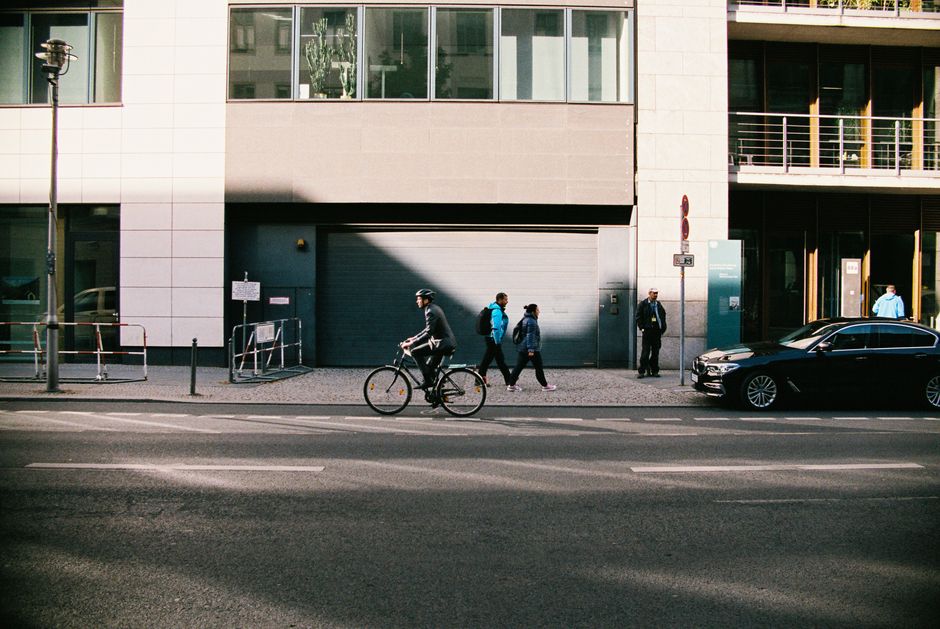
The transport revolution tells an equally compelling story. Berlin's cycling infrastructure has ballooned from 620 kilometres of dedicated bike lanes in 2010 to over 1,100 kilometres today. Journey times on the U6 and S-Bahn have been optimised to encourage public transit use; ridership on the S-Bahn network jumped 23 per cent between 2015 and 2024. Meanwhile, the number of registered e-vehicles in the city surpassed 85,000 units last year—a 67 per cent increase from 2020.
Building renovation presents both opportunity and urgency. Some 80 per cent of Berlin's residential stock dates from before 1990, consuming approximately 40 per cent more heating energy than modern standards allow. The city has earmarked €2.3 billion through 2030 for retrofitting social housing in areas like Marzahn-Hellersdorf and Köpenick. Early results show retrofitted buildings reduce heating emissions by an average of 45 per cent.
The circular economy gains traction in measurable ways. The Kreislaufwirtschaft initiative, centred around facilities in Friedrichshain, diverted 187,000 tonnes of waste from landfills in 2024—up 31 per cent from five years prior. Berlin's waste recycling rate reached 71 per cent, edging towards the EU target of 75 per cent by 2030.
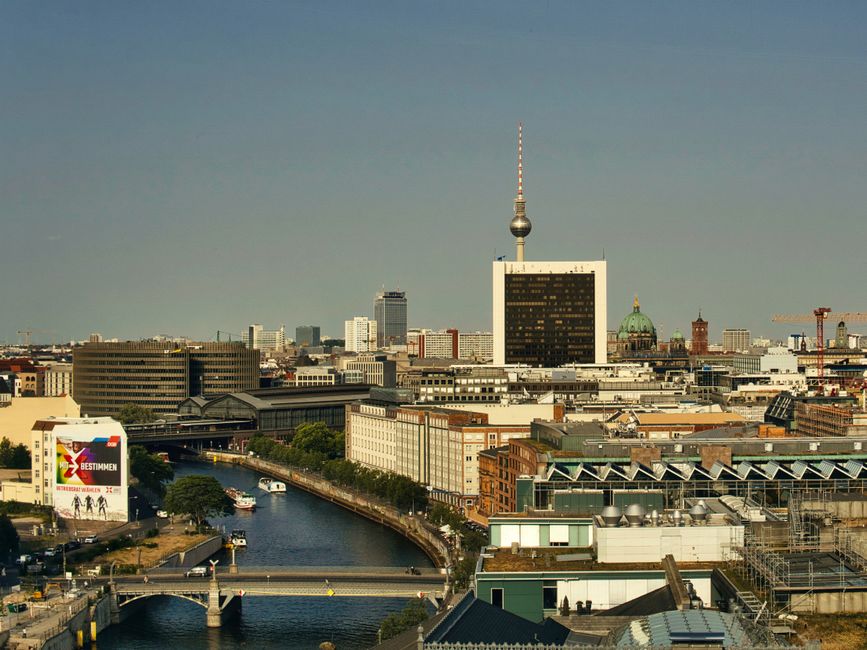
Green space expansion continues strategically. The city has planted 25,000 new trees annually since 2020, with particular focus on heat-vulnerable districts. The Landwehr Canal park initiative added 4.2 hectares of publicly accessible green space along the waterway through Tiergarten and Mitte.
These figures reveal a city wrestling seriously with climate reality. Progress is measurable but incremental—exactly what the science demands. Berlin's data-driven approach offers a template: ambitious targets mean nothing without granular metrics, transparent tracking, and the willingness to adjust course based on what the numbers show.
This article was compiled by AI from the sources linked above and screened before publishing. See our editorial standards.
How does this story make you feel?
Spread the word
About this article
Published by The Daily Berlin
Daily brief
Free, in your inbox before 7am. Weekdays.
More in News