How Kreuzberg's Community Gardens Became Berlin's Model for Urban Healing
A decade of grassroots effort transformed neglected neighbourhood spaces into vital social anchors—here's the story of how it happened.
A decade of grassroots effort transformed neglected neighbourhood spaces into vital social anchors—here's the story of how it happened.
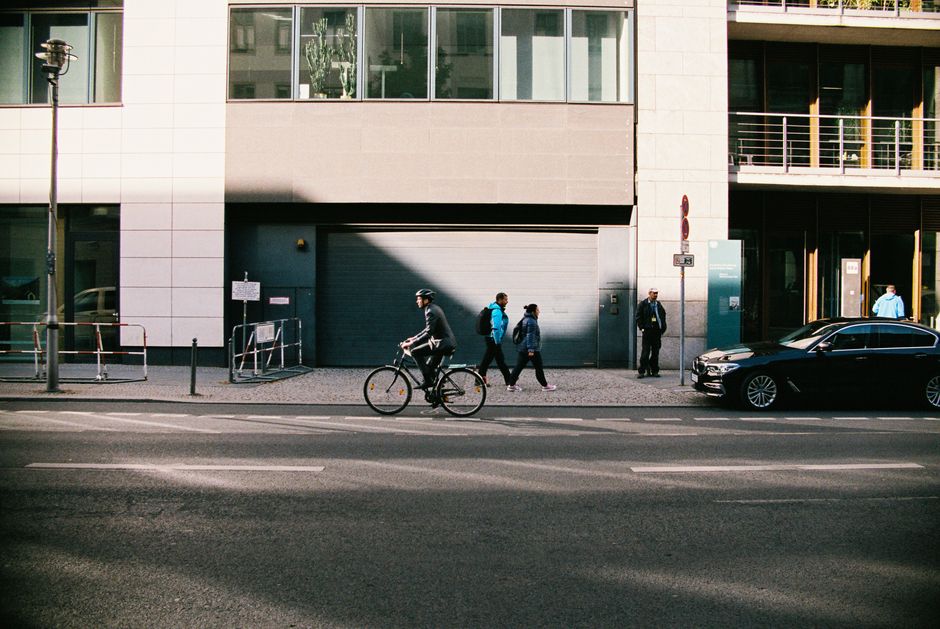
Walk through Kreuzberg today and you'll find pockets of green emerging from concrete—community gardens tucked behind the Kottbusser Tor, on Mehringdamm, along the Landwehr Canal. But this transformation didn't happen overnight. It emerged from years of neighbourhood frustration, bureaucratic standoffs, and the determination of residents who saw potential where others saw abandonment.
The roots stretch back to the early 2010s, when Kreuzberg faced a perfect storm: rising rents displacing long-time residents, increasing mental health crises, and a visible absence of green space. While affluent neighbourhoods like Charlottenburg and Zehlendorf boasted parks and private gardens, Kreuzberg's density—among Berlin's highest at over 10,000 people per square kilometre—left families and elderly residents with nowhere to grow food or simply sit in nature.
"The waiting list for an Kleingartenkolonie allotment was twelve years," recalls the Kreuzberg Neighbourhood Association, which began documenting unmet community needs in 2014. "People were giving up."
What changed was persistence. Local organisations like Stattwerk and the Kreuzberger Bündnis began identifying vacant lots—city-owned spaces lying dormant, often filled with rubble from post-war buildings or used as informal dumping grounds. Rather than wait for municipal planning cycles, they applied for temporary-use permits. The first formal community garden on Waldemarstrasse launched in 2016 with 24 plots. Today, over 40 such spaces operate across the borough.
The municipal government's shift was gradual. Initial resistance from the Bezirksamt reflected concerns about liability and land use. But data eventually won the argument: studies showed community gardens reduced youth crime, improved mental health outcomes, and strengthened social cohesion—metrics that mattered to policy makers focused on neighbourhood stabilisation.
By 2022, Berlin's Senate formally recognised urban gardening as part of its climate adaptation strategy. Kreuzberg, which had pioneered the movement through community pressure rather than top-down planning, became the template. Rent increases in the neighbourhood slowed—not reversed, but slowed. Property developers began factoring green space into their designs, recognising its market value.
Today's gardeners on Mehringdamm or near Kottbusser Tor likely don't know they're walking through a decade's worth of negotiation, disappointment, and community organising. But understanding that history matters. It explains why Berlin's newest green spaces aren't simply municipal gifts—they're hard-won victories that remind us how cities actually change.
This article was compiled by AI from the sources linked above and screened before publishing. See our editorial standards.
How does this story make you feel?
Spread the word
About this article
Published by The Daily Berlin
Daily brief
Free, in your inbox before 7am. Weekdays.
More in News