Berlin's Transport Overhaul Hits New Milestone: U-Bahn Extension to Wedding Opens Next Month
After years of delays and budget revisions, the long-awaited U5 line expansion promises to reshape commute patterns across the capital's northern districts.
After years of delays and budget revisions, the long-awaited U5 line expansion promises to reshape commute patterns across the capital's northern districts.
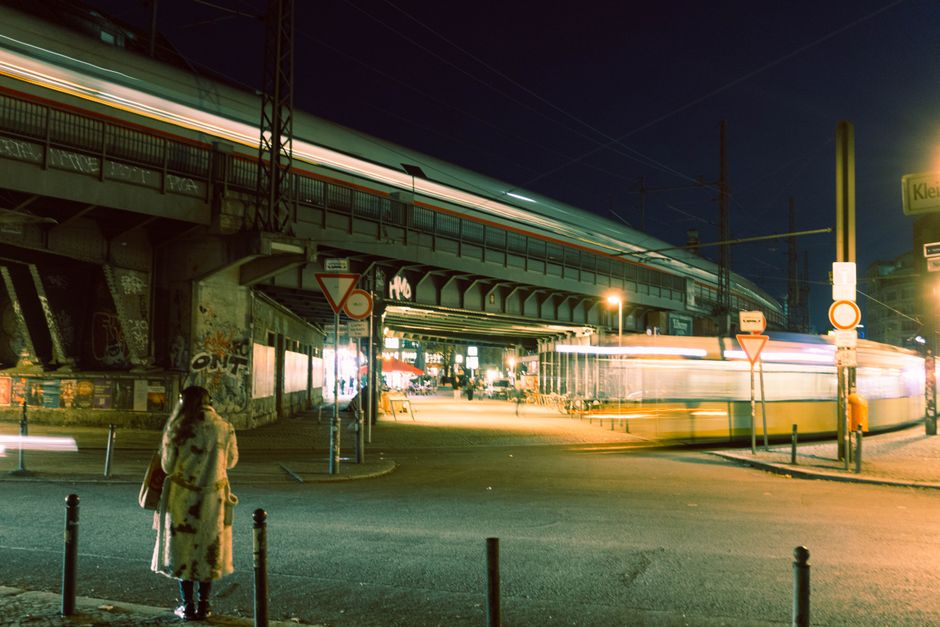
Berlin's sprawling public transport network reached a significant checkpoint this week as the Senate Department for Mobility confirmed that the U-Bahn U5 extension to Wedding will open its doors to commuters on 27 July—marking the first major infrastructure completion under the city's ambitious €12 billion modernisation programme.
The 2.2-kilometre extension, which will add five new stations between Alexanderplatz and the Gartenstraße terminus, represents a watershed moment for Wedding residents who have endured construction disruptions since 2017. The BVG anticipates the line will reduce journey times between Mitte and Wedding by approximately 18 minutes during peak hours, potentially diverting thousands of daily commuters from the perpetually congested M4 and M13 bus routes.
"This is about equity," said a spokesperson for the BVG at a press briefing on Monday, noting that Wedding—home to roughly 80,000 residents—has historically lagged behind other Berlin districts in direct U-Bahn connectivity. The new stations at Hussitenstraße, Fennstraße, Weddingplatz, Afrikanische Straße, and Gartenstraße will serve densely populated residential areas alongside the emerging cultural quarter around the Revaler Straße gallery district.
The completion comes as Berlin simultaneously races to finish repairs on the Oberbaum Bridge, where structural assessments completed last Tuesday revealed accelerated concrete degradation in the iconic red-brick crossing. Transport authorities have allocated an additional €8.3 million to the restoration project, pushing the overall budget to €47 million. The bridge, which links Friedrichshain and Kreuzberg and carries an estimated 65,000 vehicles daily, will face intermittent single-lane restrictions through September.
Elsewhere, the Charlottenburg Palace district welcomed news that the Spandauer Damm cycle superhighway—a 4.5-kilometre protected bike lane project—has secured final approval from the district assembly. Construction begins in August, with completion targeted for spring 2027. The project is expected to increase bicycle usage by up to 35 per cent on the route, reducing car dependency on one of the city's most congested thoroughfares.
Challenges remain. The Lehrter Straße railway bridge renovation, originally scheduled for completion by this month, has been postponed to November due to unforeseen asbestos findings. Deutsche Bahn attributed the delay to "legacy infrastructure complications" that plague many of Berlin's pre-1990 transport assets.
Nevertheless, city planners view the convergence of these projects—opening, repairs, and expansions—as validation of Berlin's commitment to becoming a genuinely sustainable metropolitan hub by 2035.
This article was compiled by AI from the sources linked above and screened before publishing. See our editorial standards.
How does this story make you feel?
Spread the word
About this article
Published by The Daily Berlin
Daily brief
Free, in your inbox before 7am. Weekdays.
More in News