Berlin Housing Crisis Takes New Turn as Senate Approves Charlottenburg Retrofit Plan
City lawmakers green-light ambitious regeneration scheme for 1970s apartment blocks, signalling shift away from new-build focus amid affordability squeeze.
City lawmakers green-light ambitious regeneration scheme for 1970s apartment blocks, signalling shift away from new-build focus amid affordability squeeze.
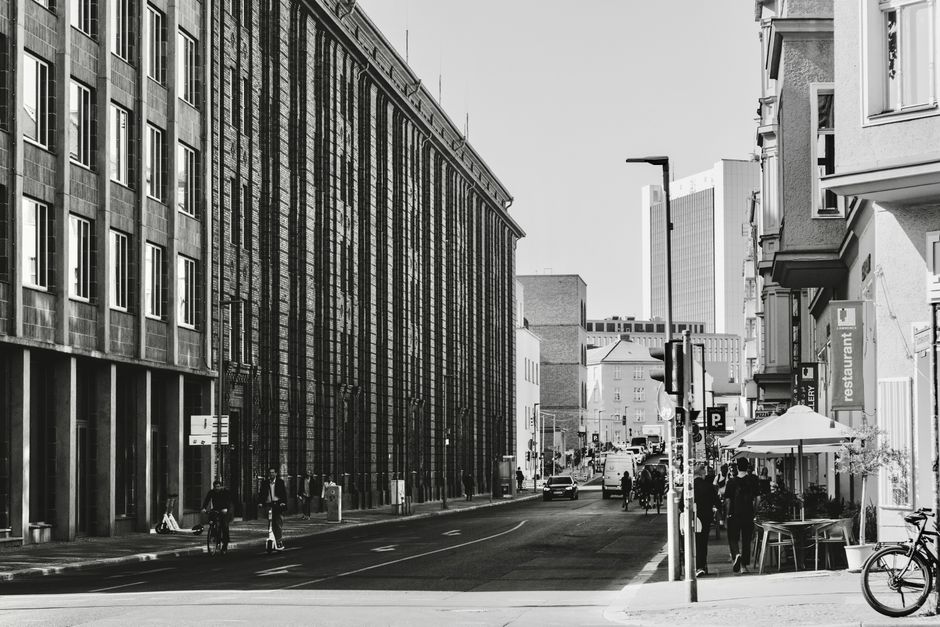
Berlin's housing policy underwent a significant recalibration this week as the Senate approved a controversial retrofit initiative targeting the sprawling post-war residential complexes of Charlottenburg-Wilmersdorf. The decision, announced Wednesday following months of heated debate between urban planners and housing advocates, represents a departure from the city's recent emphasis on new construction and signals growing recognition that existing stock must bear the weight of affordability pressures.
The Charlottenburg Retrofit Initiative will channel €340 million into modernising approximately 2,800 apartments across the district's characteristically austere 1970s housing estates, particularly around Richard-Wagner-Platz and the Stadtring corridor. Officials estimate the programme will reduce heating costs by 35 per cent while preserving rent caps for current residents—a critical safeguard as Berlin's average residential prices have climbed to €12.50 per square metre, nearly triple the figure from a decade ago.
"This reflects a maturation of our approach," said a spokesperson for the Senate Department for Urban Development during Wednesday's briefing. The shift acknowledges what housing researchers have long argued: that Berlin's chronic shortage—estimated at 90,000 units city-wide—cannot be solved through greenfield development alone, particularly given tightening environmental regulations and dwindling available land.
The decision comes as Tempelhof-Schöneberg continues grappling with the stalled Tempelhofer Feld expansion project, where community opposition and ecological concerns have repeatedly delayed plans for 5,000 new homes on the historic airfield's fringe. Meanwhile, Friedrichshain-Kreuzberg's housing cooperatives report unprecedented demand, with waiting lists exceeding two years for affordable units.
However, the retrofit plan has drawn criticism from developer associations, who argue that retrofitting existing structures diverts resources from the new supply needed to genuinely ease affordability pressures. Construction costs for modernisation work have also surged, with specialist firms reporting 22 per cent increases in labour and materials since early 2025.
The programme's success will likely hinge on implementation speed and whether rent controls hold firm during renovation phases—a contentious detail that housing organisations have flagged repeatedly. The Senate has committed to publishing detailed tenant-protection guidelines by September, though skepticism remains high among Charlottenburg residents already contending with gentrification pressures along the Spree corridor.
The decision signals that Berlin's approach to its housing crisis is becoming more pragmatic, if not yet comprehensive. Whether retrofitting can meaningfully close the affordability gap while protecting existing residents remains the defining test of the coming months.
This article was compiled by AI from the sources linked above and screened before publishing. See our editorial standards.
How does this story make you feel?
Spread the word
About this article
Published by The Daily Berlin
Daily brief
Free, in your inbox before 7am. Weekdays.
More in News