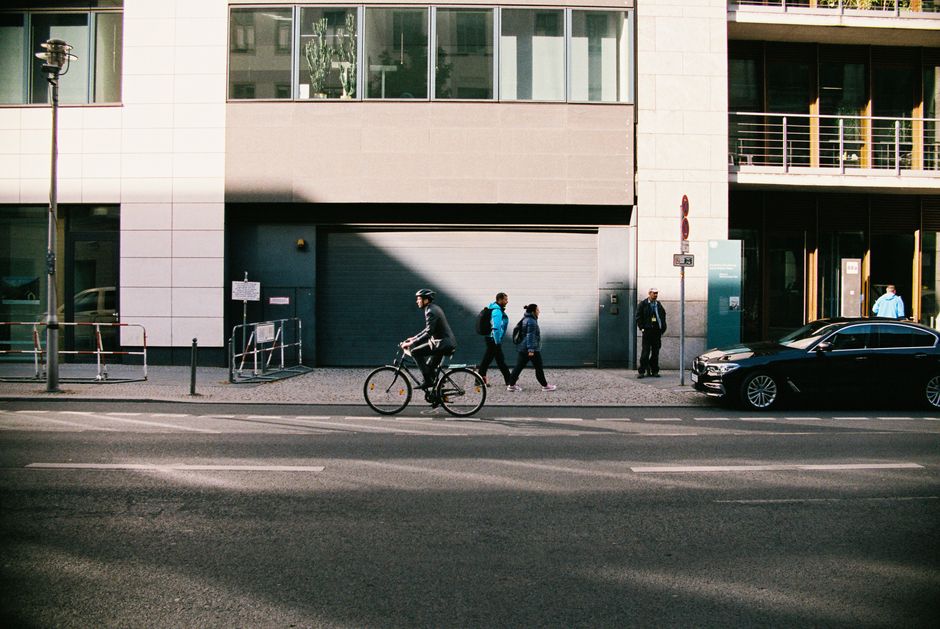
Walk along the Landwehr Canal on a Saturday morning and you'll witness Berlin's environmental ambitions in action: cargo bikes outnumber delivery vans, outdoor markets in Kreuzberg showcase zero-waste vendors, and the city's expanding district heating network—now serving over 450,000 households—hums quietly beneath the streets. Yet as the German capital pushes toward its goal of climate neutrality by 2045, a pressing question emerges: is Berlin keeping pace with Europe's sustainability frontrunners?
The numbers suggest a mixed picture. Berlin has reduced its CO2 emissions by 40 percent since 1990, a respectable achievement that positions it ahead of many comparable cities. The city's renewable energy share reached 54 percent of electricity consumption in 2025, bolstered by offshore wind farms and rooftop solar installations across Charlottenburg, Tempelhof, and Wedding. Meanwhile, Berlin's public transport network—expanded U-Bahn lines to the outer districts, plus a fleet of 1,400 electric buses—has helped reduce car dependency to roughly 32 percent of daily trips.
However, Copenhagen and Paris loom large in the comparison. Copenhagen, often cited as Europe's sustainability champion, has already achieved carbon neutrality in its municipal operations and boasts a cycling infrastructure so sophisticated that bikes account for 45 percent of trips to work. Paris, by contrast, has invested heavily in its metro expansion and created low-emission zones that have cut air pollution levels by nearly 30 percent since 2015.
Berlin's housing crisis complicates its sustainability narrative. While the city mandates energy efficiency standards for new construction in developments like Europaplatz and around Alexanderplatz, the pressing need for affordable units sometimes overshadows green building requirements. Retrofitting Berlin's aging apartment blocks—many dating to the Wilhelmine era—remains expensive and slow, with only 1.2 percent of the housing stock undergoing deep energy renovation annually.
The city's environmental initiatives show real promise, though. The newly expanded Tiergarten wetlands, the Spree riverfront clean-up projects, and the ambitious goal to make Berlin car-free in its inner districts by 2035 reflect serious commitments. The Landesumweltamt (State Environmental Office) has allocated €2.8 billion toward sustainable infrastructure over the next decade.
Yet Berlin cannot rest on laurels. Competing cities are moving faster on carbon pricing, industrial decarbonization, and green financing. For Berlin to genuinely claim leadership among Europe's major cities, it must accelerate retrofitting timelines, expand renewable capacity beyond current targets, and integrate sustainability more seamlessly into housing policy. The path to 2045 is clear—but the window for catching the leaders is narrowing.
This article was compiled by AI from the sources linked above and screened before publishing. See our editorial standards.