news
Berlin Officials Tackle Thousands of Corrupted Images Clogging City Databases
Duplicate and corrupted image files are clogging city databases and planning portals, and the people who manage them say the problem has quietly become a crisis.
How we reported this
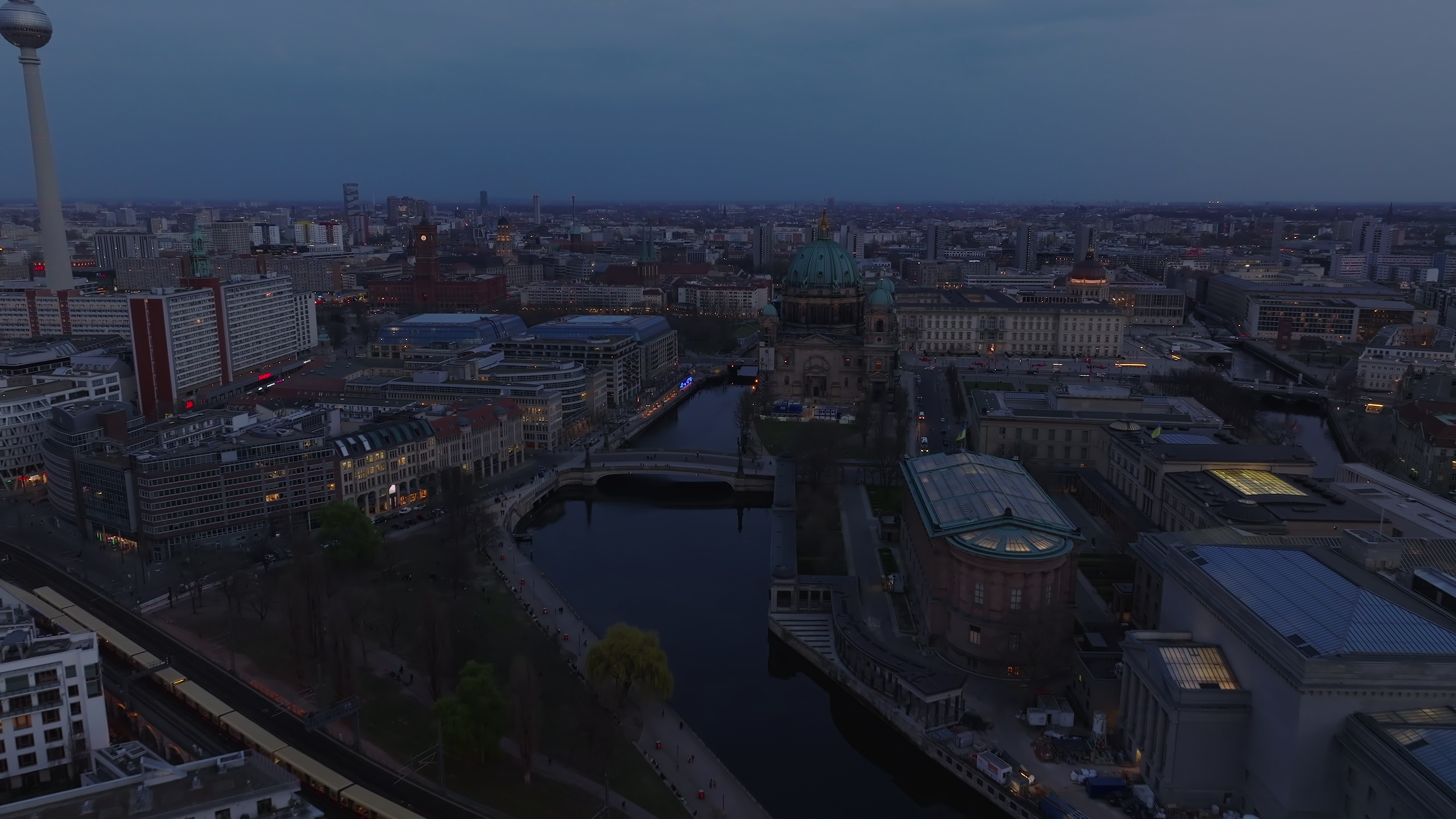
Berlin's public administration is sitting on a digital storage problem that nobody talks about at press conferences but that IT managers across Mitte and Tempelhof-Schöneberg describe as increasingly unmanageable: tens of thousands of duplicate, mislabelled and corrupted image files embedded inside official databases, housing application portals, and urban planning records. The issue, known in technical and archival circles as duplicate image replacement, has moved from bureaucratic nuisance to something that specialists say is actively slowing down city services.
The timing matters. The Berlin Senate's digital transformation programme, the Digitale Verwaltung Berlin initiative, entered its third operational phase in January 2026, with a stated goal of consolidating legacy data systems across 23 district administrations by the end of the year. Image file redundancy, experts argue, is one of the main obstacles standing between the city and that deadline.
What Officials and Specialists Are Saying
Technologists working with the Kompetenzzentrum Digitale Verwaltung, the city's competence centre for public-sector IT, based on Berliner Straße in Wilmersdorf, have flagged duplicate imagery as a structural flaw carried over from analogue-to-digital scanning projects completed between 2014 and 2019. Those projects ingested millions of pages of planning permits, tenant registration forms, and infrastructure maps, often without deduplication protocols. The result, according to internal documentation circulated among district IT offices, is that some files exist in three or four redundant copies across separate server environments.
Staff at the Stadtentwicklungsamt in Friedrichshain-Kreuzberg, one of the districts with the highest volume of active housing permit applications, have pointed out that when case officers pull up property records, duplicated image attachments can cause portal load times to spike, sometimes rendering files inaccessible during peak hours. That district processed more than 4,200 building permit applications in 2025 alone, according to figures published by the Senate Department for Urban Development in its annual report.
Experts at the Fraunhofer Institute for Open Communication Systems, which operates a research campus in Berlin-Adlershof, have been vocal in public forums about the technical path forward. The institute has advocated for perceptual hashing, a method that identifies visually identical or near-identical images by comparing pixel patterns rather than file names, as the most reliable automated solution. The approach has been piloted in Hamburg's municipal document management system since early 2025, giving Berlin a direct German comparison point.
Cost, Complexity and the Next Steps
Budget is the sticking point. Replacing or deduplicating image assets across all district administrations is not a single procurement. It requires coordinated software licensing, staff retraining, and temporary storage infrastructure. Estimates from a 2025 feasibility report commissioned by the Senate Chancellery, and referenced in a Rechnungshof Berlin audit summary published in March 2026, suggested the baseline cost of a city-wide remediation project could exceed €3.2 million, depending on the deduplication method chosen and whether work is contracted externally or handled in-house by the city's own IT unit, ITDZ Berlin.
ITDZ Berlin, headquartered on Am Köllnischen Park in Mitte, has publicly stated its preference for a phased rollout beginning with the four districts carrying the highest housing application volumes: Friedrichshain-Kreuzberg, Mitte, Pankow, and Neukölln. A tender for a pilot project covering those four districts was listed on the procurement portal Berlin.de in May 2026, with bids due by 31 August.
For residents and businesses, the practical effect of a successful remediation would be faster turnaround on building permits and housing applications, a pressure point that the SPD-led Senate coalition has made central to its housing agenda. The city's official rent index, the Mietspiegel 2025, showed median rents in Prenzlauer Berg and Mitte above €14 per square metre, underlining how badly Berlin needs its housing bureaucracy to function at speed.
District IT offices have been advised to conduct internal image audits before the August bid deadline and to document their current storage footprints. Any organisations dealing with the city's planning portals should expect potential service interruptions during any transition period, and keep paper backups of submitted image files until the new system is confirmed operational.