news
Berlin's Housing Platforms Battle Thousands of Fake Listings Daily
Duplicate and doctored property images have plagued Berlin's rental market for years; here is how the problem built up and where it stands today.
How we reported this
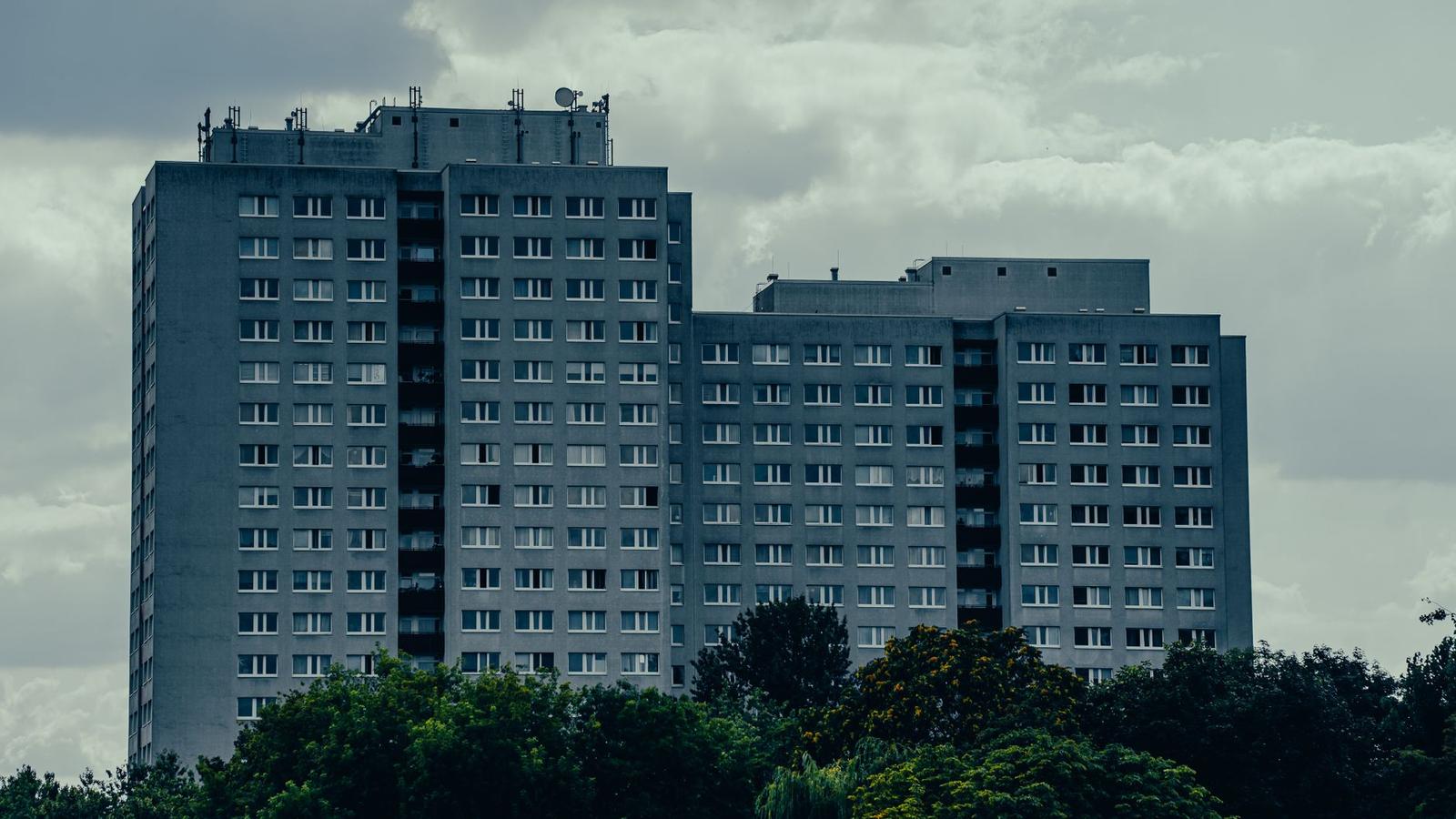
Thousands of rental listings posted on Berlin's major housing portals over the past five years carried the same photographs, sometimes identical images recycled across dozens of fraudulent ads for apartments that did not exist, or that were priced far below market rate to harvest personal data from desperate applicants. The practice, known broadly as duplicate-image fraud, became so embedded in the city's rental ecosystem that by early 2026 it was a standard warning item in tenant-rights briefings handed out at the Mieterverein Berlin's Spandauer Strasse office.
The timing matters. Berlin has been locked in a housing crisis severe enough that the SPD-led Senate coalition has repeatedly reopened the Mietpreisbremse debate, and average advertised rents in Mitte and Friedrichshain-Kreuzberg have climbed to levels that make even mid-income earners vulnerable to scams promising below-market deals. When supply is thin and competition brutal, a fraudulent listing offering a two-room flat in Prenzlauer Berg at 700 euros cold will attract hundreds of inquiries within hours. That is the fundamental condition that made duplicate-image fraud so lucrative.
A Problem Built Over a Decade of Neglect
The mechanics are not complicated. Fraudsters scrape genuine listing photographs from portals such as ImmoScout24 or Immowelt, repackage them under new addresses and contact details, and post them afresh. Victims are typically asked to wire a deposit, often one to three months' rent, before any viewing takes place. The German Federal Criminal Police Office, the BKA, flagged the sharp rise in this category of online fraud in its 2023 cybercrime report, noting that property-related internet fraud had become one of the fastest-growing subcategories in the country.
Berlin's specific vulnerability grew from several intersecting pressures. The city's population increased by roughly 100,000 residents between 2018 and 2023 according to Amt für Statistik Berlin-Brandenburg figures, while new construction consistently fell short of Senate targets. The waiting list for WBM-managed social housing units in districts like Marzahn-Hellersdorf stretched to multi-year delays. That queue of people locked out of affordable formal supply became the primary audience for fraudulent listings.
Consumer protection bodies moved slowly. The Verbraucherzentrale Berlin ran awareness campaigns as far back as 2021, distributing guides at its branch on Hardenbergplatz warning renters to verify landlord identity through the local Grundbuchamt before transferring any money. But the campaigns reached mostly German-speaking, digitally confident applicants. Berlin's large Turkish-German community, recent arrivals from Ukraine after 2022, and non-German-speaking residents hunting for housing in Neukölln and Wedding were disproportionately targeted, according to casework patterns described in Verbraucherzentrale's published annual reports.
Technology Catches Up, Slowly
Portal operators eventually introduced automated reverse-image checking. ImmoScout24 announced the integration of hash-based duplicate detection into its moderation pipeline in late 2024, though the company acknowledged in trade-press coverage that manual circumvention, slightly cropping or colour-shifting a stolen image, could still defeat basic detection. A more robust system using perceptual hashing, the kind that compares visual similarity rather than pixel-perfect matches, was reportedly under phased rollout through the first half of 2025.
The Berlin Senate's digital affairs department, Senatsverwaltung für Digitalisierung, included duplicate-listing fraud explicitly in its 2025-2026 consumer-protection framework, coordinating with the Landeskriminalamt Berlin to set up a dedicated reporting channel accessible through the berlin.de portal. Reports submitted through that channel since its January 2026 launch have allowed investigators to map recurring IP clusters and payment-processor patterns used by organised fraud rings operating partly from outside Germany.
For renters searching today, the practical landscape has shifted enough to matter. The LKA Berlin now publishes a quarterly update on active fraud patterns on its public website. The Mieterverein Berlin recommends that any applicant asked to pay a deposit before a signed Mietvertrag is provided should file a report immediately via the berlin.de channel and contact their bank's fraud desk within 24 hours to attempt a SEPA recall. The window for a successful recall is narrow, typically one business day, so speed is the single most important factor. The underlying conditions that made Berlin fertile ground for this fraud have not disappeared, but the institutional response has at least caught up enough to give victims a fighting chance.