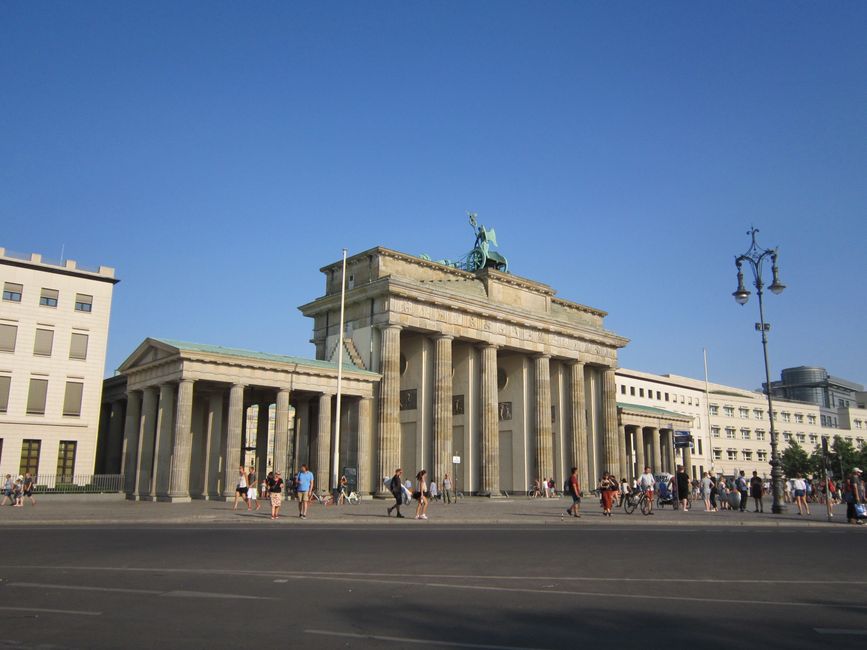
Yesterday, the Berlin Senate announced that it would be establishing a task force to investigate the growing phenomenon of duplicate image replacement in the city's public spaces. This decision comes after a series of high-profile incidents in which identical images were found to be displayed in multiple locations throughout the city, sparking concerns about the impact on local culture and identity.
The issue of duplicate image replacement matters now because it speaks to the heart of Berlin's ongoing struggle to balance its thriving startup and tech hub with the needs and concerns of its long-time residents. As the city continues to attract new businesses and visitors, there is a growing tension between the desire to showcase Berlin's vibrant cultural scene and the need to preserve the unique character of its neighborhoods. The duplicate image replacement phenomenon has brought this tension to the forefront, with many wondering what it means for the future of Berlin's public spaces and the city's sense of self.
In neighborhoods like Kreuzberg and Neukölln, the effects of duplicate image replacement are already being felt. The iconic Kreuzberg street art scene, for example, has seen a proliferation of identical images displayed on buildings and in public spaces, leading some to worry that the area is losing its distinctive edge. Similarly, in the trendy boutiques and cafes of the Kurfürstendamm, the presence of duplicate images has raised questions about the authenticity of the city's cultural offerings. Organisations like the Berliner Festspiele and the Haus der Kulturen der Welt are also grappling with the implications of duplicate image replacement, as they work to promote the city's unique cultural identity to a global audience.
The Data Behind the Issue
According to a recent study by the Berlin Institute for Social Research, the number of duplicate images displayed in public spaces throughout the city has increased by over 30% in the past year alone. This surge has been driven in part by the growing popularity of social media platforms, which have made it easier for images to be shared and disseminated widely. The study also found that the average cost of displaying a duplicate image in a public space is around €500, a price that is likely to increase as the demand for unique and authentic cultural experiences continues to grow. As of June 2026, the city has reported over 200 instances of duplicate image replacement, with the majority of these occurring in the districts of Mitte, Friedrichshain-Kreuzberg, and Charlottenburg-Wilmersdorf.
So what happens next? As the task force established by the Berlin Senate begins its work, residents and policymakers will need to navigate a complex series of decisions about how to address the issue of duplicate image replacement. This will likely involve a combination of technological solutions, such as the development of new platforms for displaying and sharing unique images, as well as social and economic initiatives aimed at promoting the city's cultural diversity and supporting local artists and businesses. For now, one thing is clear: the future of Berlin's public spaces and cultural identity hangs in the balance, and the decisions made in the coming months will have a lasting impact on the city's character and sense of self.