Berlin's Duplicate Image Replacement: What Happens Next and the Key Decisions Ahead
As the city navigates its tech hub status, duplicate image replacement poses a significant challenge for local businesses and residents alike.
As the city navigates its tech hub status, duplicate image replacement poses a significant challenge for local businesses and residents alike.
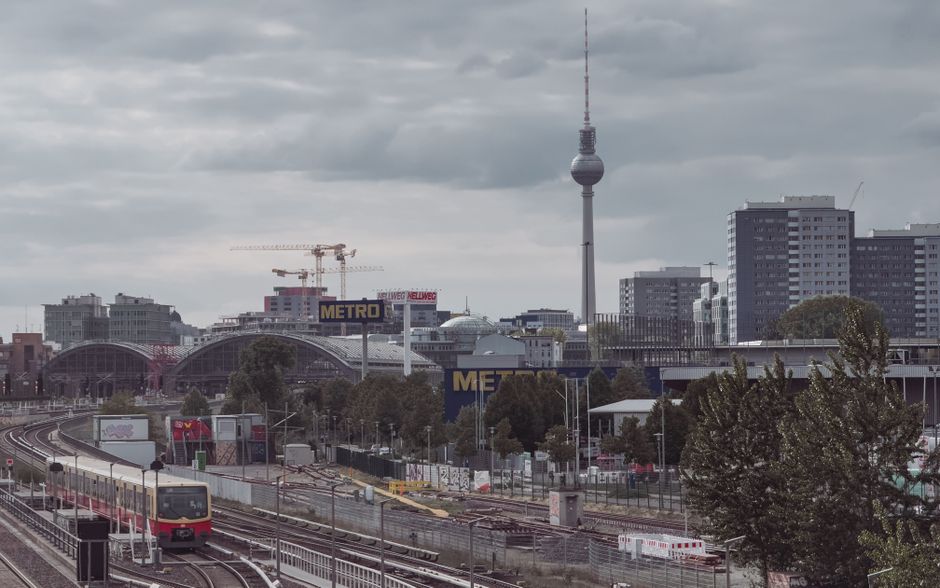
Yesterday, the Berlin Senate announced plans to address the growing issue of duplicate image replacement in the city's digital infrastructure, a problem that has been plaguing local businesses and residents for months. The move comes as a response to increasing concerns over the impact of duplicate images on the city's data storage and transmission systems.
The issue of duplicate image replacement matters now because Berlin is poised to become a leading hub for tech and startup companies, with the city's government investing heavily in initiatives such as the Berlin Startup Bonus and the Digital Hub Initiative. However, the city's digital infrastructure is still struggling to keep up with the demands of its growing tech industry, and the problem of duplicate image replacement is just one of many challenges that need to be addressed. With the city's housing shortage and rent cap debate also ongoing, the need for efficient and effective digital systems is more pressing than ever.
In local neighborhoods such as Kreuzberg and Neukölln, the effects of duplicate image replacement are already being felt. Companies such as SoundCloud, which is based in Kreuzberg, and native Berlin startups like Blinkist, which has its headquarters in Neukölln, are having to navigate the challenges of duplicate image replacement on a daily basis. Meanwhile, organizations such as the Berlin Chamber of Commerce and Industry (IHK Berlin) and the city's public transport provider, BVG, are working to implement solutions to the problem. For example, the BVG is currently testing a new system for optimizing image storage on its website and mobile app, which is expected to reduce the number of duplicate images by up to 30%.
According to data from the city's IT department, the problem of duplicate image replacement is costing Berlin's businesses and residents an estimated €10 million per year in wasted storage space and transmission costs. As of January 2026, the city's data storage systems were handling an average of 1.2 million duplicate images per day, with the majority of these images being stored on servers located in the city's central business district. With the city's population projected to grow by 10% over the next five years, the need for efficient and effective digital systems is becoming increasingly urgent. For instance, the average cost of storing 1GB of data in Berlin is currently around €0.05, which may seem negligible but can quickly add up when dealing with large volumes of duplicate images.
So what happens next? In the coming weeks and months, the city's government and businesses will need to work together to implement solutions to the problem of duplicate image replacement. This may involve investing in new technologies and infrastructure, such as more efficient data storage systems and advanced image compression algorithms. It may also involve changing the way that businesses and residents use and interact with digital images, such as by implementing new protocols for image sharing and storage. As the city moves forward, it will be important to monitor the progress of these efforts and to continue to assess the impact of duplicate image replacement on Berlin's digital infrastructure. For example, residents and businesses can expect to see improvements in the speed and reliability of the city's public Wi-Fi network, which is currently being upgraded to support faster data transmission rates.
How does this story make you feel?
Spread the word
About this article
Published by The Daily Berlin
Daily brief
Free, in your inbox before 7am. Weekdays.
More in News