news
Berlin's Housing Databases Filled With Phantom Listings, Officials Scramble
Duplicate and outdated property images are distorting Berlin's rental market, and the city's housing authorities are under growing pressure to act.
How we reported this
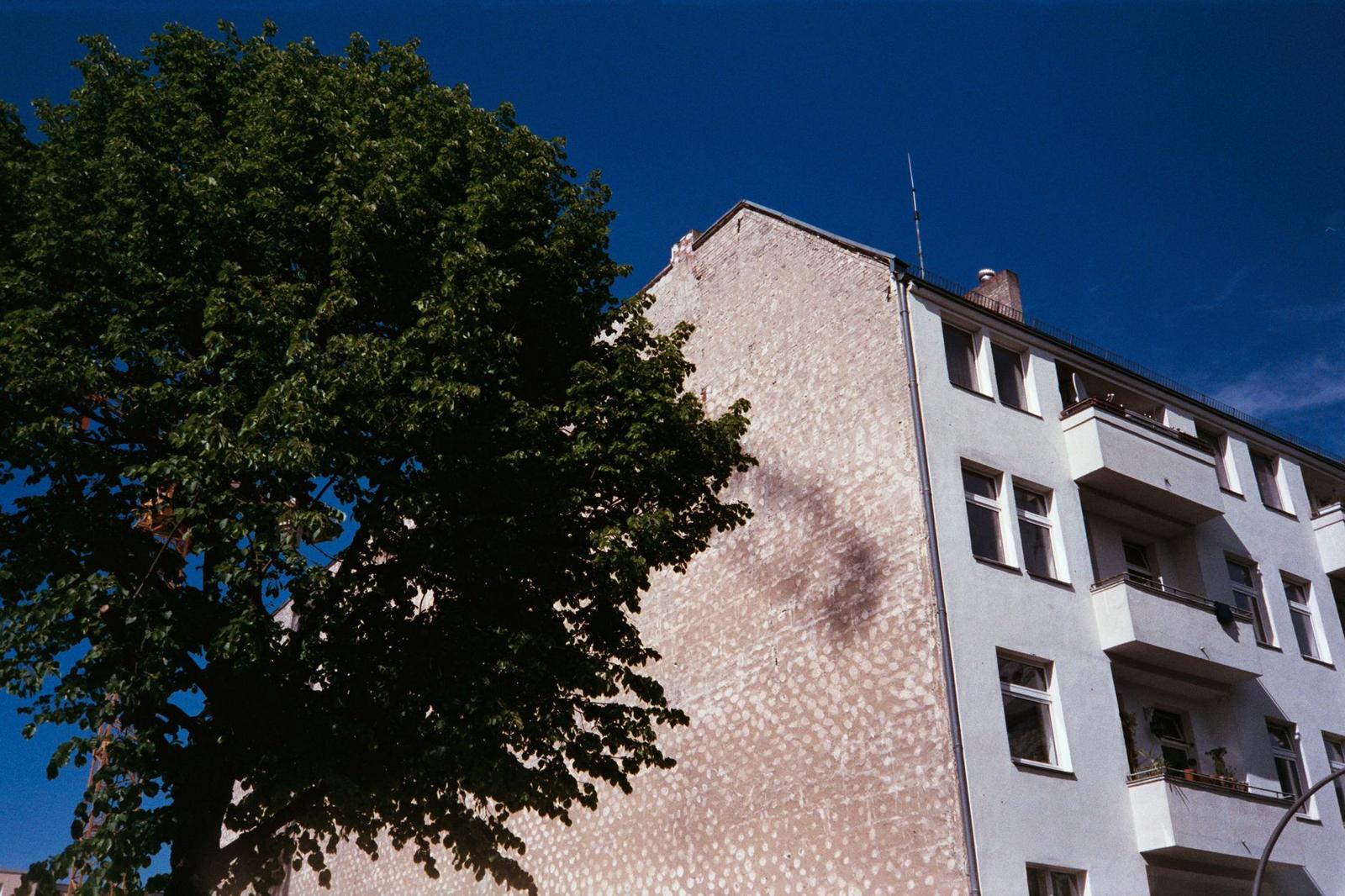
A single apartment in Neukölln. Photographed six times, listed on four platforms, and rented once. That scenario, urban housing researchers say, is not unusual in Berlin's fractured rental market, and the proliferation of duplicate listing images is making it harder for city officials, prospective tenants, and policy-makers to get an accurate picture of what is actually available and at what price.
The issue has landed squarely in the middle of an already charged political debate. Berlin's SPD-led Senate is pushing ahead with a renewed rent cap proposal, and advocates say that any cap built on data contaminated by duplicate or recycled property photographs risks setting benchmarks that bear little resemblance to real-world supply. With the city's Mietspiegel, the official rent index updated in 2023, already contested by landlord associations, the integrity of the underlying data has become a live political question.
What the Experts and Housing Bodies Are Warning
Researchers at the Berliner Mieterverein, the city's largest tenants' association with more than 170,000 members, have flagged for some time that duplicate imagery inflates the apparent volume of available stock on portals such as Immoscout24 and Kleinanzeigen. When the same unit appears multiple times under different titles and slightly cropped photographs, automated market analyses overcount supply and can understate average rents by smoothing out the real asking prices. The Mieterverein has called for standardised metadata requirements, including unique property identifiers, to be attached to all listings operating within the city's boundaries.
Digital-built-environment specialists at the Technische Universität Berlin, which runs a dedicated urban data lab on Straße des 17. Juni, have been examining how image-recognition technology could flag duplicates before they distort quarterly market reports. The approach borrows from fraud-detection techniques already used by several European mortgage lenders. Researchers there have noted that Berlin's relative openness to proptech experimentation, cultivated through the Senate's Digital City strategy launched under the previous legislature, gives the city an advantage over more tightly regulated markets in applying such tools quickly.
Officials at the Senatsverwaltung für Stadtentwicklung, Bauen und Wohnen have acknowledged the problem without committing to a specific legislative remedy. The Senate administration has pointed to the federal Digital Services Act, which came into full effect for large platforms in February 2024, as one potential lever: platforms operating above defined user thresholds are required to maintain systems capable of identifying and removing illegal or misleading content, and housing advocates argue that a deliberately recycled listing photograph meets that threshold.
On the Ground in Mitte and Prenzlauer Berg
The practical consequences show up most visibly in high-demand districts. In Prenzlauer Berg, where the average advertised rent for a two-room apartment exceeded 18 euros per square metre in the first quarter of this year according to data cited in local property trade publications, prospective tenants report spending hours cross-referencing listings only to discover they have been enquiring about the same unit multiple times. The Wohnberatung offices run by the city's Bezirksamt Pankow on Fröbelstraße have been fielding an increasing number of walk-in complaints about misleading listings since early 2025.
In Mitte, the problem intersects with short-term rental pressure. Properties near Hackescher Markt that cycle between tourist platforms and long-term listing sites sometimes carry images that have been in circulation for three or more years, detached from any current legal tenancy status. Housing enforcement officers in the district issued 47 formal notices in 2025 related to unregistered short-term rentals, though officials have not publicly broken out how many of those cases involved duplicate or falsified imagery specifically.
Advocates want the Senate to require that all listings filed after a proposed cut-off date carry a certified date-stamp embedded in the image metadata, verified against the city's existing building register, the Liegenschaftskataster. Such a rule would also feed cleaner data into the next Mietspiegel update, due in 2025, helping to settle what is otherwise shaping up to be another bruising fight between tenants' groups and landlord associations over whose numbers reflect reality. Tenants who suspect a listing is a duplicate can already file a complaint through the Bezirksamt, though the process is slow and the burden of proof sits with the complainant, something campaigners say urgently needs to change.