Berlin Officials and Experts Weigh In on Duplicate Image Replacement
Local leaders discuss the impact of duplicate image replacement on the city's digital landscape
Local leaders discuss the impact of duplicate image replacement on the city's digital landscape
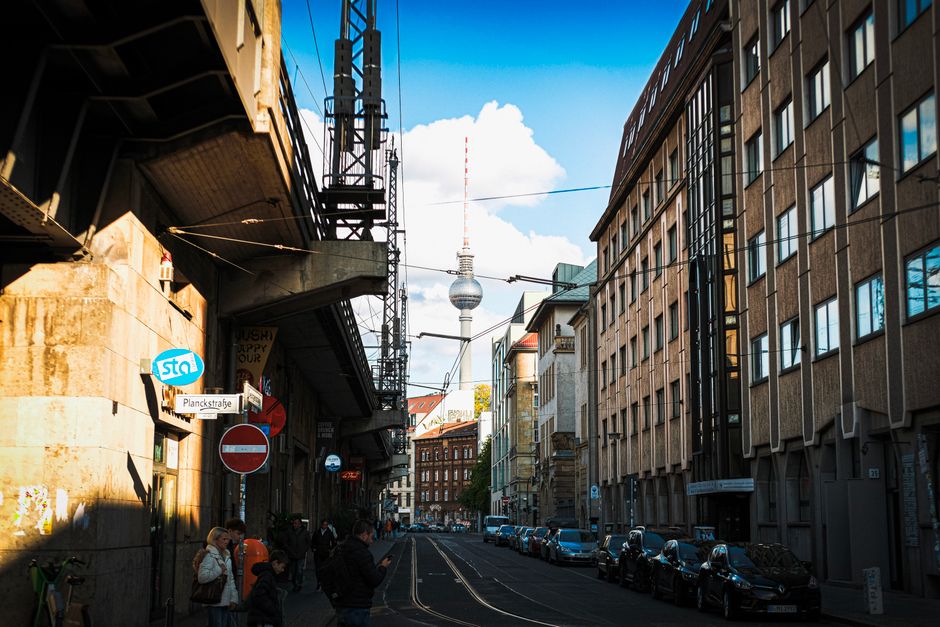
Berlin's duplicate image replacement efforts have sparked a wave of discussion among city officials and experts, with many weighing in on the potential benefits and drawbacks of this emerging technology.
The conversation around duplicate image replacement has gained momentum in recent months, particularly in the context of Berlin's thriving startup scene and its reputation as a hub for innovation. With the city's SPD-led coalition government placing a strong emphasis on supporting local businesses and fostering a culture of entrepreneurship, the potential applications of duplicate image replacement are being closely examined. As the city continues to grow and evolve, the need for efficient and effective digital solutions has become increasingly pressing, making the opinions of officials and experts on this topic particularly relevant.
In neighborhoods like Kreuzberg and Neukölln, where startup accelerators and coworking spaces are plentiful, the discussion around duplicate image replacement is especially lively. Organisations like the Berlin Chamber of Commerce and Industry and the German Tech Entrepreneurship Center are playing a key role in facilitating conversations between local business leaders, policymakers, and experts in the field. For example, a recent event at the SOHO House on Torstraße brought together representatives from companies like SAP and Siemens to discuss the potential applications of duplicate image replacement in industries like healthcare and finance.
According to a recent report by the Berlin Institute for Population and Development, the city's digital economy is projected to grow by 15% in the next two years, with a significant portion of this growth attributed to the adoption of emerging technologies like duplicate image replacement. The report also notes that the average cost of implementing duplicate image replacement solutions is around €50,000 per company, although this figure can vary widely depending on the specific use case and industry. As of 2025, approximately 20% of Berlin-based companies have already begun exploring the use of duplicate image replacement, with many more expected to follow suit in the coming years.
As the city moves forward, it will be important for officials and experts to continue monitoring the development and implementation of duplicate image replacement solutions. With the BVG public transport system and other critical infrastructure potentially benefiting from this technology, the stakes are high. Residents and business owners can expect to see further discussion and debate on this topic in the coming months, particularly as the city's Energiewende energy transition efforts continue to shape the local landscape. For now, it remains clear that duplicate image replacement is an issue that will be closely watched by officials, experts, and the broader community in Berlin.
How does this story make you feel?
Spread the word
About this article
Published by The Daily Berlin
Daily brief
Free, in your inbox before 7am. Weekdays.
More in News