Berlin's Duplicate Image Replacement: Latest Developments and What Happened This Week
A surge in AI-generated images has sparked concerns over authenticity in Berlin's art and media scene, with local institutions taking steps to address the issue.
A surge in AI-generated images has sparked concerns over authenticity in Berlin's art and media scene, with local institutions taking steps to address the issue.
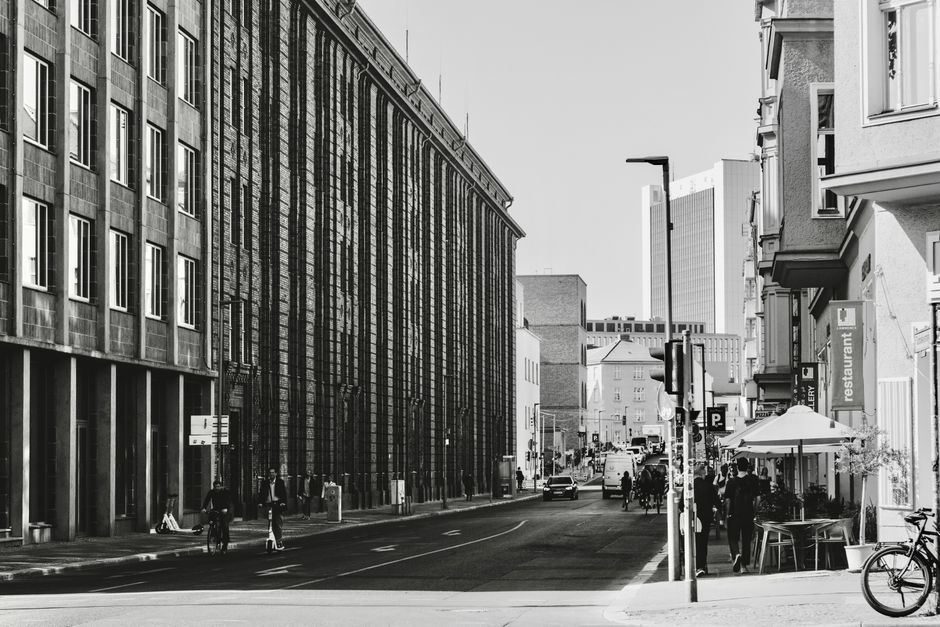
This week, the Berlin State Museum announced it would be implementing new protocols to detect and prevent the use of duplicate image replacements in its exhibitions, following a series of high-profile incidents involving AI-generated art. The move comes as part of a broader effort by the city's cultural institutions to tackle the challenges posed by emerging technologies.
The issue of duplicate image replacement has significant implications for Berlin's thriving art and media scene, where the use of AI-generated images has become increasingly prevalent. With the city's reputation as a hub for creativity and innovation, the need to ensure the authenticity and integrity of artistic works has become a major concern. The current debate over duplicate image replacement is also closely tied to the city's ongoing discussions around the role of technology in society, with many arguing that the use of AI-generated images raises important questions about authorship, ownership, and the value of creative work.
In Berlin, the issue is being felt particularly keenly in neighborhoods like Kreuzberg and Neukölln, where a high concentration of art galleries, studios, and startups has created a vibrant but also highly competitive environment. The Berlin University of the Arts, located on Hardenbergstraße, has been at the forefront of efforts to address the issue, with researchers and faculty members working to develop new methods for detecting and preventing the use of duplicate image replacements. Meanwhile, organizations like the Berliner Festspiele, which hosts the annual Berlinale film festival, are also taking steps to ensure the integrity of the works showcased at their events.
According to a recent survey conducted by the Berlin Chamber of Commerce, over 70% of the city's art and media businesses have reported encountering duplicate image replacements in some form, with 40% stating that they have been directly affected by the issue. The survey also found that the use of AI-generated images has resulted in an average loss of €10,000 per business, with some reporting losses of up to €50,000. As of June 2026, the city's authorities have received over 200 reports of duplicate image replacement incidents, with the majority coming from the districts of Mitte and Charlottenburg.
As the city continues to grapple with the challenges posed by duplicate image replacement, residents and visitors can take steps to protect themselves and support the local art and media community. By being aware of the issue and taking the time to verify the authenticity of artistic works, individuals can help to prevent the spread of duplicate image replacements and promote a culture of integrity and creativity in Berlin. The city's authorities have also established a dedicated hotline and website for reporting incidents of duplicate image replacement, and are urging anyone with information or concerns to come forward and get involved in the effort to tackle this issue.
How does this story make you feel?
Spread the word
About this article
Published by The Daily Berlin
Daily brief
Free, in your inbox before 7am. Weekdays.
More in News