news
Berlin’s rent cap revival: How years of policy fights and housing shortages led to this week’s council showdown
As the SPD-led coalition pushes a new rent control law, a look back at the political battles, legal setbacks, and neighborhood pressures that shaped the debate.
How we reported this
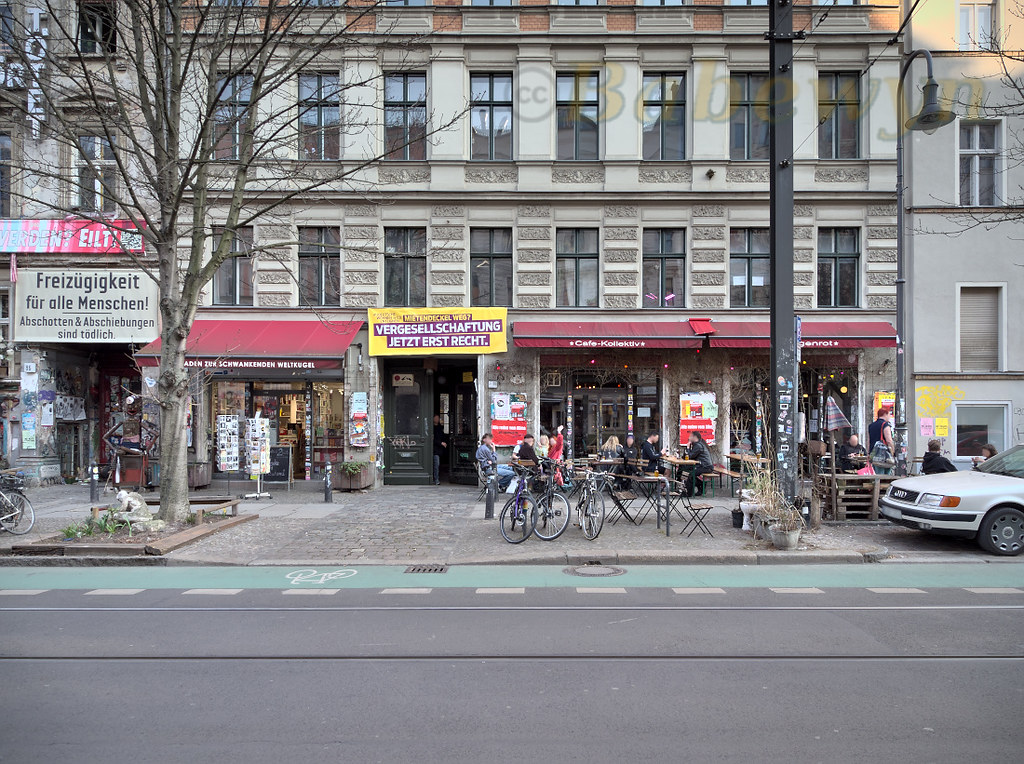
Berlin’s city council will vote next Thursday on a new rent cap proposal that could freeze rents for 1.2 million apartments-nearly half the city’s housing stock. The bill, introduced by the SPD-Grüne-Linke coalition, marks the most ambitious rent control effort in Germany since the Federal Constitutional Court struck down the city’s 2020 rent freeze in 2021.
This is not a sudden push. For Berliners, the rent debate has been a slow-burning crisis with a clear timeline: the original cap passed in 2020, was overturned by the Karlsruhe judges in April 2021, and was followed by two years of rent hikes that pushed average prices past €12 per square meter in central districts like Mitte and Friedrichshain. The new proposal, called the “Mietendeckel 2.0,” targets a 5-year freeze for apartments built before 2025, excluding new construction.
How we got here: From Karlsruhe to Kottbusser Tor
The seeds of the current vote were planted on the streets of Kreuzberg. After the 2021 court ruling, tenant associations at the Kottbusser Tor and Neukölln’s Weserstraße organized rent strikes that drew thousands. The city council responded by creating a commission in late 2022-the Berliner Mietenbündnis-to study how to craft a constitutional cap that would survive legal challenge. That commission included housing experts from the Technische Universität Berlin and the Senatsverwaltung für Stadtentwicklung.
The commission’s final report, released in March 2026, concluded that a cap based on the federal benchmark rent index-rather than a flat freeze-could pass legal muster. The coalition used that report as the backbone of the new bill, which also includes a €500,000 annual fund for legal aid for tenants facing eviction. The funds would be administered from the Bezirksamt Friedrichshain-Kreuzberg office on Yorckstraße.
The timing is no accident. Berlin’s population has grown by 300,000 since 2015, but only 60,000 new apartments have been completed. In the first quarter of 2026, the vacancy rate in the inner ring districts fell to 0.8%, according to the Berliner Wohnungsmarktbericht-the lowest since records began in 2005.
The data, the skeptics, and what comes next
Opponents point to a 2024 study by the Deutsches Institut für Wirtschaftsforschung. The DIW found that Berlin’s 2020 freeze actually suppressed new housing starts by 18% during its short lifespan, as developers stalled projects waiting for the court ruling. The new bill attempts to counter that by exempting new builds for 10 years, but critics say it still chills investment. The lobby group Haus & Grund Berlin has already announced a legal challenge, and the state’s CDU-Fraktion is pushing a counter-proposal for a €200 million annual subsidy to tenants instead of a cap.
If the council approves the cap-and most polls suggest Berliners support it by a 2-to-1 margin-the law would take effect on January 1, 2027. Tenants in affected buildings would not need to file anything; landlords would be required to adjust rents within 30 days. The city plans to set up a hotline and online portal, managed by the Berliner Mieterverein out of its office in Wedding on Brunnenstraße.
For now, residents can attend the public hearing on Monday, July 13, at the Rotes Rathaus on Rathausstraße. Registration closes at noon on Sunday. The council vote itself is scheduled for 10 a.m. on Thursday, July 16. If you live in a rent-controlled building, your monthly bill could look different by this time next year.