news
Berlin’s New Housing Strategy: What It Means for Residents and Community Well-Being
The city’s latest local government decisions on housing seek to ease the long-standing crisis, impacting affordability and neighbourhood dynamics across Berlin.
How we reported this
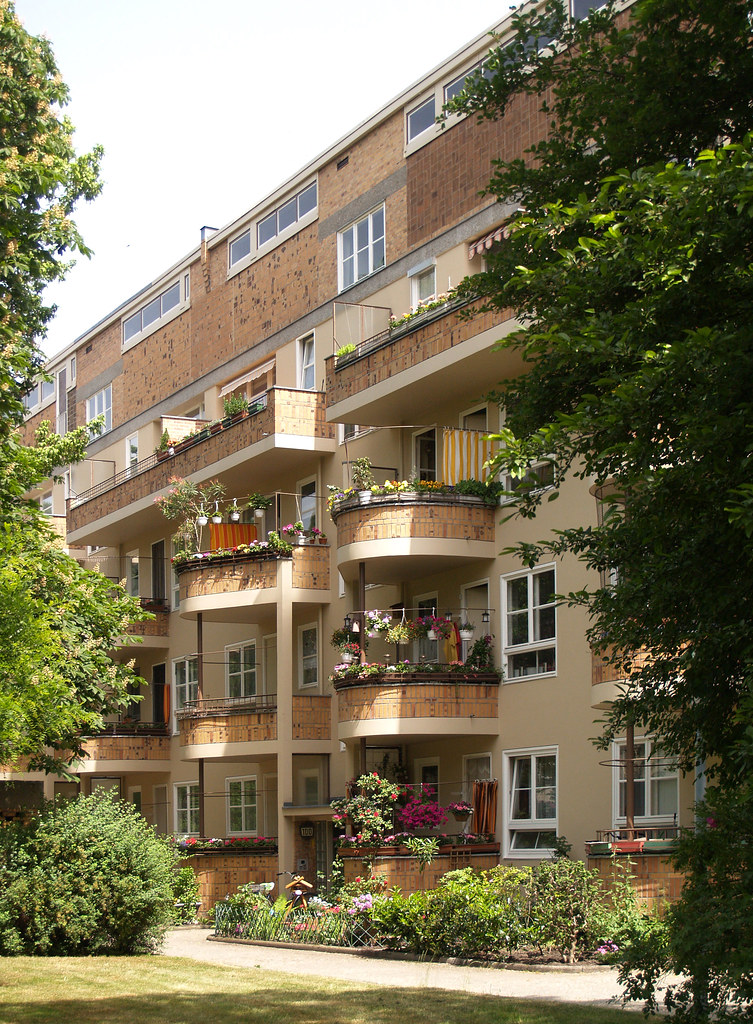
On 11 July 2026, Berlin’s Senate passed a comprehensive housing strategy aiming to tackle affordability and improve living conditions-a move that directly affects thousands of residents facing mounting rent pressures and housing shortages.
The decision comes amid intensified debates over rent controls and housing supply that have persisted throughout the SPD-led coalition’s tenure. With Berlin's population hitting a new high-over 3.9 million as of this year-the urgency to act on affordable housing has become more pressing than ever, especially for middle- and low-income families.
Local responses and neighbourhood impact
Key to the strategy is the expansion of subsidies and the acceleration of new housing development, particularly in boroughs like Neukölln and Lichtenberg, where demand and rents have surged sharply. Neukölln, home to a large Turkish-German community and historically a working-class area, has felt the strain of gentrification with average rents climbing above €14 per square metre in some parts. Meanwhile, Lichtenberg’s recent investment zone around the Ostkreuz station aims to deliver 3,000 new affordable apartments by 2029 under the city’s Mietendeckel Plus program.
The government plans to channel an extra €120 million into BVG’s surrounding infrastructure improvements in these areas to support increased population density, improving public transport access on lines U7 and S5. Additionally, the ‘Nachbarschaftstreffpunkt’ community centres, particularly around Hermannplatz and Rummelsburg district, will receive funding boosts to provide integration support and cultural programming-key for Berlin’s diverse communities to stay connected during this period of rapid change.
Data revealing the scale of the challenge
According to the recent report by Berliner Mieterverein (Berlin Tenants’ Association), average rents in the city rose by 7.6% over the past two years alone, despite longstanding regulations. Around 320,000 households currently spend more than 40% of their income on rent, signalling a widespread affordability crisis. The city currently has a shortage of approximately 60,000 affordable housing units, and with an annual population growth rate climbing near 15,000 people, experts warn the gap could widen unless new construction accelerates.
The Senate’s new housing strategy aims to construct 20,000 new apartments annually, with 30% reserved as rent-capped social housing. Yet, bureaucracy and opposition from local groups concerned about overdevelopment may slow implementation-a scenario residents in areas like Prenzlauer Berg are watching closely, fearing a loss of neighborhood character.
Key to success will be the coordination between municipal departments, construction firms, and tenant associations to keep developments on schedule and affordable.
For Berliners living in crowded flats or paying steep rents, city hall’s decisions signal cautious optimism. Tenants are advised to monitor upcoming housing lotteries organized by the city’s Wohnraumoffensive program and to engage with local Bezirksamt offices, which will offer information sessions on application processes for new subsidised apartments starting this autumn.
In the coming months, residents can expect neighborhood meetings organized by Bürgerämter and tenant advocacy groups like Mieterwerk and Berliner Mieterverein aimed at explaining the housing strategy’s provisions and gathering community feedback. The real test for Berlin’s government will be balancing growth with livability-a challenge many hope will finally bring relief to the city’s housing woes.