news
Berlin Council Votes on Rent Controls: Tenants in Kreuzberg and Mitte Say 'Not Enough'
As the SPD-led coalition pushes forward with expanded rent regulation, residents facing €2,000+ monthly payments demand stronger protections.
How we reported this
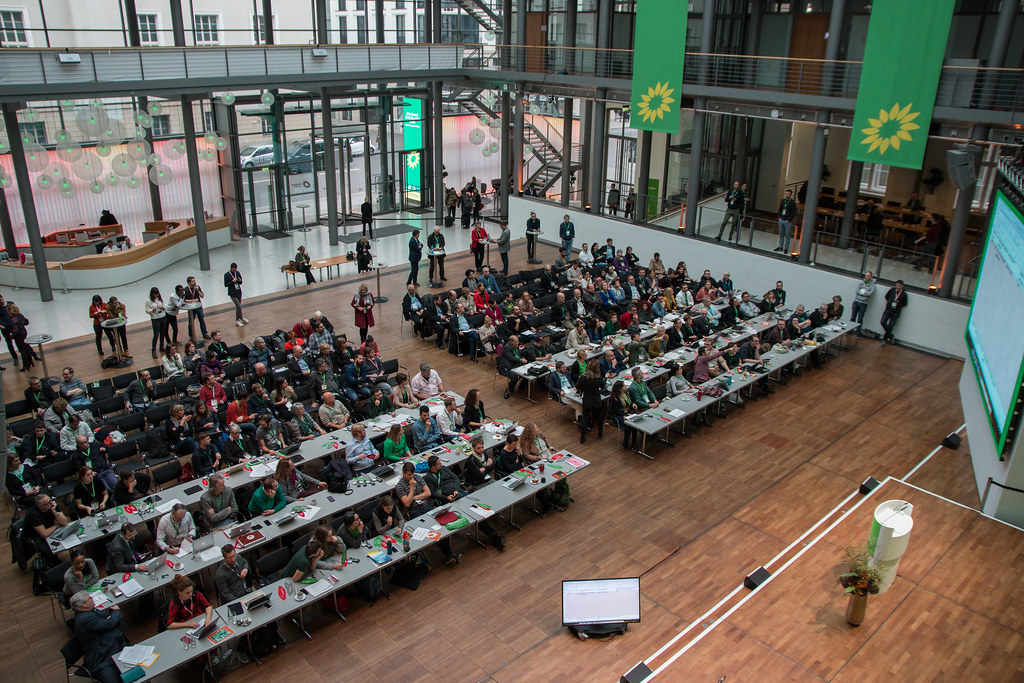
Berlin's city council passed a hardened rent cap framework Tuesday evening, extending price controls on apartments across 90 percent of the city's housing stock through 2028. The vote came after weeks of pressure from tenant advocacy groups, who say the measure remains insufficient against rents that have doubled in some neighbourhoods since 2015.
The decision matters now because Berlin faces an acute crisis: the average rent for a two-bedroom apartment in Charlottenburg hit €1,890 last month, up 34 percent since 2020, according to data from the housing research firm Immoscout24. Simultaneously, the city's population has grown to 3.64 million, yet construction of new apartments has lagged behind demand. The council's vote reflects growing political pressure on the SPD, Greens, and Left coalition to act before September's state elections.
Where the Shortage Bites Hardest
In Kreuzberg, long a neighbourhood of working-class renters and immigrant communities, the effects show most acutely. The Turkish-German Residents' Association, which operates from premises on Kottbusser Damm, reports that three-quarters of members have received renovation notices from landlords in the past 18 months-a common tactic to justify rent increases above the regulated ceiling. One member reported her household's rent climbing from €680 to €1,250 for a 65-square-metre flat within two years.
Similar pressures grip Mitte, where the Mieterverein Berlin-the tenant advisory organisation headquartered near the Alexanderplatz-has logged 412 formal complaints about excessive rent hikes since January. The organisation's caseworkers say landlords increasingly exploit legal loopholes by claiming units are exempt from price controls if renovations occur, or by simply refusing to renew leases for tenants who file complaints.
Numbers Tell the Story
The rent cap, technically a Mietpreisbremse, caps increases at 3 percent annually for existing tenants and prevents new leases from exceeding 120 percent of average neighbourhood rates. Yet enforcement remains porous. Berlin's housing authority, Wohnungsmarkt, processed only 847 complaint investigations last year-a fraction of estimated violations across the city's 1.9 million residential units.
Residents attending Tuesday's council session at the Abgeordnetenhaus on Niederkirchnerstrasse pressed councillors with specific numbers. A retiree from Wedding stated she receives €480 monthly pension and pays €620 rent on her subsidised flat-a ratio leaving her almost no margin for food, utilities, or medicine. Advocates for the Sozialistische Selbsthilfe Mietverein, a tenant collective, submitted data showing that 38 percent of renters in eastern districts now spend more than 30 percent of income on housing, the threshold demographers consider unaffordable.
The council simultaneously greenlit funding for 8,500 new social-housing units by 2030, though critics note this addresses perhaps 2 percent of annual housing demand. The BVG, Berlin's public transport authority, also announced reduced fares for low-income residents as a partial offset-a bus monthly ticket will drop to €27 from €52 for households earning less than €950 monthly.
What happens next depends partly on implementation. Tenants can now file violations online through the Mieterprogramm digital portal launched last month, though housing advocates say they lack confidence the city will staff enforcement adequately. The next test comes September, when campaigning begins in earnest for state elections. Until then, residents in Kreuzberg, Mitte, and beyond will watch whether this latest council vote translates into actual relief or simply becomes another broken promise in a city where finding an affordable home has become a luxury.