news
Berlin’s Education Sector Sees Major Changes: What Happened This Week
New funding allocations, curriculum updates, and integration programs mark a pivotal week for Berlin schools amid increasing enrolment pressures.
How we reported this
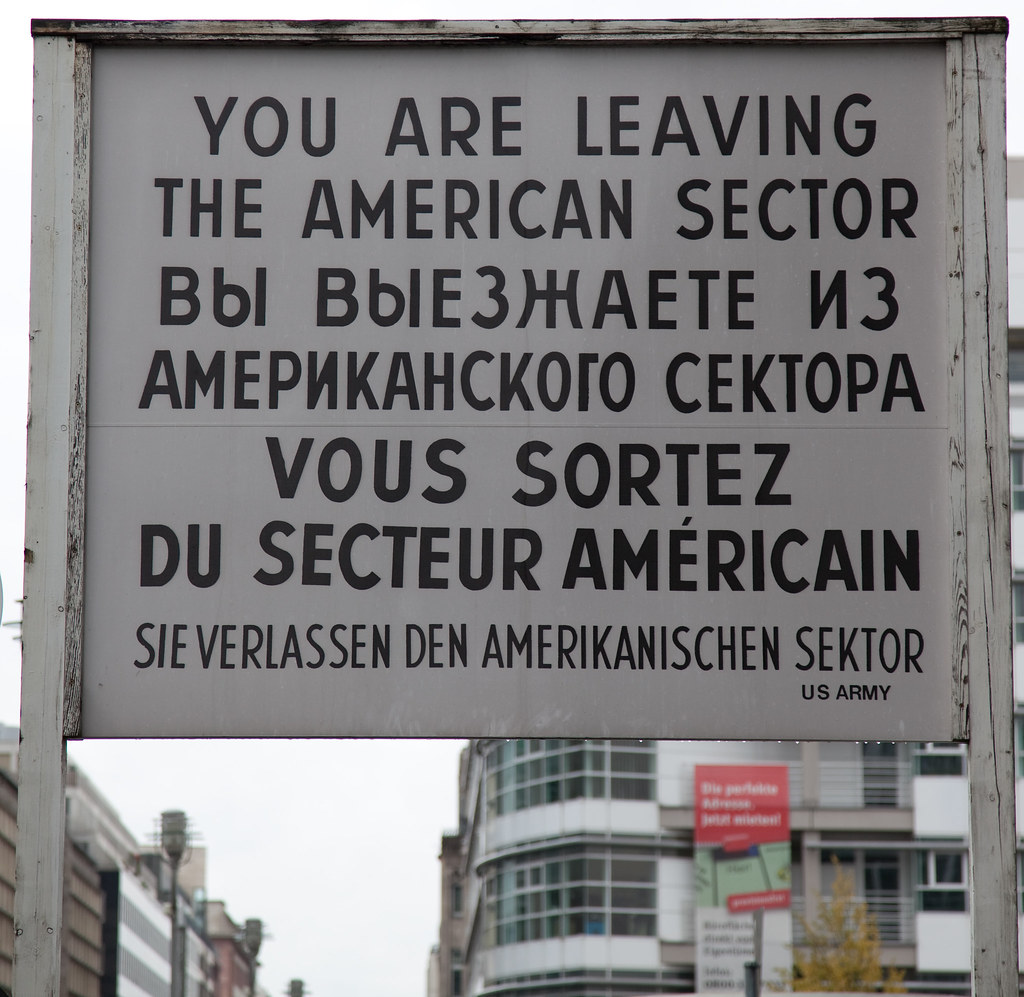
Berlin's education system entered a significant phase this week with the announcement of new funding boosts and policy shifts aimed at addressing capacity issues and improving integration among the city’s diverse student population.
The moves come as Berlin continues grappling with a rising school-age population and persistent challenges related to inclusion, especially for children from immigrant backgrounds. With the city’s demographic landscape evolving rapidly, these developments are crucial for maintaining quality education and equitable access across all districts.
Local initiatives and institutional responses
At the heart of this week's changes is the Senate Department for Education, Youth and Family, which unveiled a €45 million injection into the Berlin School Network (Berliner Schulnetz), targeting infrastructure expansion and teacher recruitment. The funds include €10 million specifically earmarked for modernizing facilities at less-resourced schools such as the Max-Bill-Gemeinschaftsschule in Wedding and the Gustav-Heinemann-Schule in Neukölln, two districts noted for their socio-economic challenges and diverse student bodies.
Additionally, the Berlin Integration Coalition (Berliner Integrationsbündnis) launched a tailored language support program in Kreuzberg, where nearly 60 percent of pupils speak a mother tongue other than German. This initiative focuses on early childhood intervention, collaborating with over 20 local kindergartens and primary schools to reduce language barriers that have long impeded academic progress among immigrant children.
Significant data underscores urgency
Official figures published on July 10 by the Berlin Statistical Office reveal that the city’s school population increased by 5.3 percent over the past two years, topping 400,000 students for the first time. This surge has stretched the existing capacity, with some schools reporting class sizes exceeding the legal limit of 25 students. The shortage of qualified teaching staff compounds these issues; Berlin currently has a deficit of approximately 1,200 full-time teachers, as confirmed in the Senate’s recent education workforce report.
Faced with these challenges, the new funding is intended to accelerate the hiring of an additional 500 teachers by the end of 2026 and support the expansion of school facilities, particularly for STEM subjects and digital learning resources. The average cost to build or renovate a school classroom in Berlin is estimated at €28,000, a figure factored into the new budget allocations.
Parents have expressed cautious optimism but stress that effective implementation will be key. There is also debate over the upcoming curriculum reform, which includes proposals to integrate intercultural education more deeply, reflecting Berlin’s multicultural reality.
Looking ahead, the Senate aims to review progress quarterly, with the next assessment slated for October 2026. Families and educators are encouraged to engage via upcoming town hall meetings announced for late July, including sessions at the Friedrichshain community centre on Warschauer Straße and the Neukölln district office on Karl-Marx-Straße.
School administrators advise parents to check individual school websites for updates on enrollment deadlines and language support services. Meanwhile, the Berliner Bildungsportal remains a central online resource for navigating the changes and accessing direct consultation.