news
Voices from Berlin’s Neukölln and Kreuzberg on Community Safety Challenges
Residents share their experiences amid rising concerns over public safety in two of Berlin’s most dynamic districts.
How we reported this
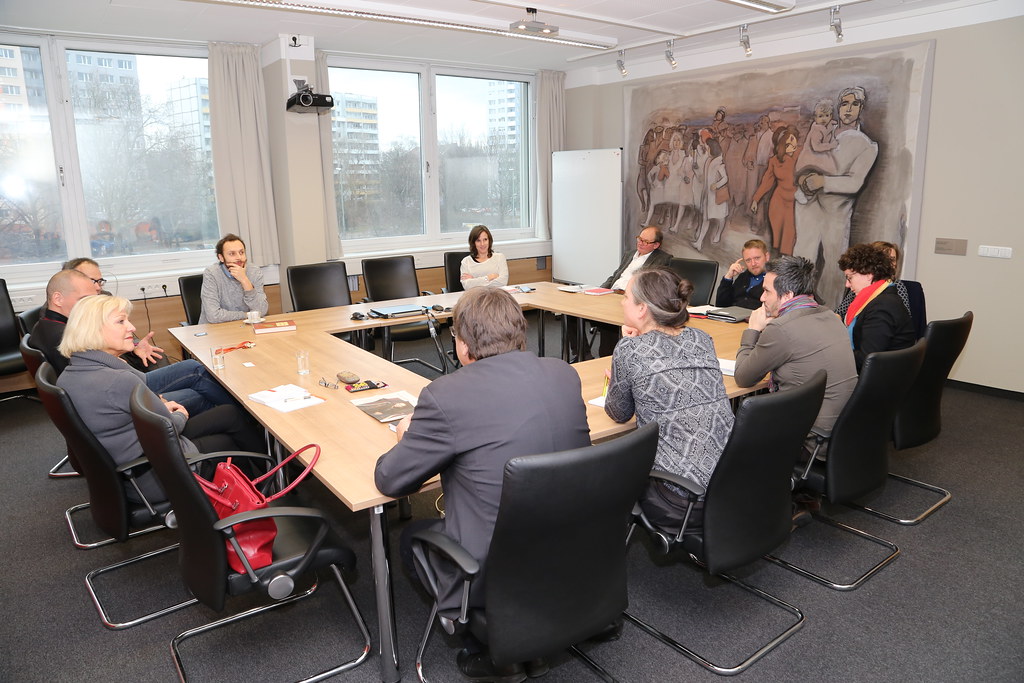
Concerns about community safety have intensified in Berlin’s Neukölln and Kreuzberg neighborhoods, with residents increasingly vocal about the challenges they face daily. The latest report from the Berlin Police Department highlights a 12% increase in reported petty crimes and burglaries in these areas during the first half of 2026 compared to the same period last year.
Heightened awareness of safety issues comes at a pivotal moment, as Berlin’s SPD-led coalition government is pushing forward a new urban security strategy. This crackdown coincides with growing tension over housing shortages and social integration, particularly within districts that are home to large migrant communities and a vibrant but stretched public infrastructure.
Community Perspectives: Neukölln and Kreuzberg Residents Speak Out
In Neukölln's Reuterplatz area, a hub for young families and small businesses, residents express mixed feelings. “There have been more incidents of theft near the S-Bahn station on Sonnenallee,” said a local shopkeeper. Neukölln’s cultural diversity, with over 50% of its population having a migrant background, is a source of strength yet poses unique integration and social cohesion challenges that affect perceptions of safety.
Across in Kreuzberg, near the famous Görlitzer Park, community members report an increase in nighttime disturbances and drug-related activities despite increased patrols by the Berliner Verkehrsbetriebe (BVG) security teams on key public transit routes. BVG recently invested €1.2 million to enhance security measures, including new surveillance cameras on U1 and U8 subway lines which run through Kreuzberg.
Data and Initiatives Addressing Safety Concerns
According to Berlin Police records, Neukölln reports 5,460 petty crimes between January and June 2026, up from 4,870 during the same period last year. Kreuzberg saw a rise from 3,200 to 3,570 incidents. The city’s recent “Sicheres Berlin” initiative, launched in April 2026, aims to bolster community policing with a €10 million budget spread among hotspot districts, including these two neighborhoods.
The initiative also involves partnerships with local NGOs such as the Bezirksamt Neukölln’s Sozialarbeit im Kiez program, which focuses on youth outreach and conflict mediation. These efforts align with broader discussions in the Berlin Senate about balancing public safety with social inclusiveness as the city prepares for the 2028 European Capital of Culture celebrations.
As Berlin navigates these challenges, residents are encouraged to engage with community watch groups active in both Neukölln and Kreuzberg. BVG advises passengers to use their new safety app, launched in May, which provides real-time alerts and direct contact with transit security. The police recommend reporting suspicious activities promptly through their 110 hotline and participating in local town hall meetings scheduled throughout July and August to voice concerns and shape local security policies.