news
Background to Berlin's Education Approaches: How Policy and Society Shaped the Present
The capital's schooling arrangements reflect layers of migration patterns, coalition priorities and urban pressures built up over time.
How we reported this
Berlin schools operate amid competing demands from a diverse population and shifting political leadership. The current setup traces back to long-standing efforts to balance integration needs with resource limits in a city that expanded its student base through successive waves of settlement.
Political Coalitions and Integration Priorities
SPD-led coalitions have guided much of the recent direction in local education. These governments have focused on language support and community ties in neighbourhoods with large Turkish-German populations. Decisions emerged from repeated discussions about how classrooms could address cultural differences without straining existing facilities. Housing pressures added another layer, as families moved between districts and enrolment patterns changed accordingly.
Startup activity and the broader tech sector influenced curriculum choices in some areas. Officials examined ways to connect classroom content with emerging job markets while maintaining core subjects. Energy transition policies under the Energiewende framework also reached school buildings, prompting adjustments in maintenance and operational planning across public sites.
Transport Links and Daily Realities
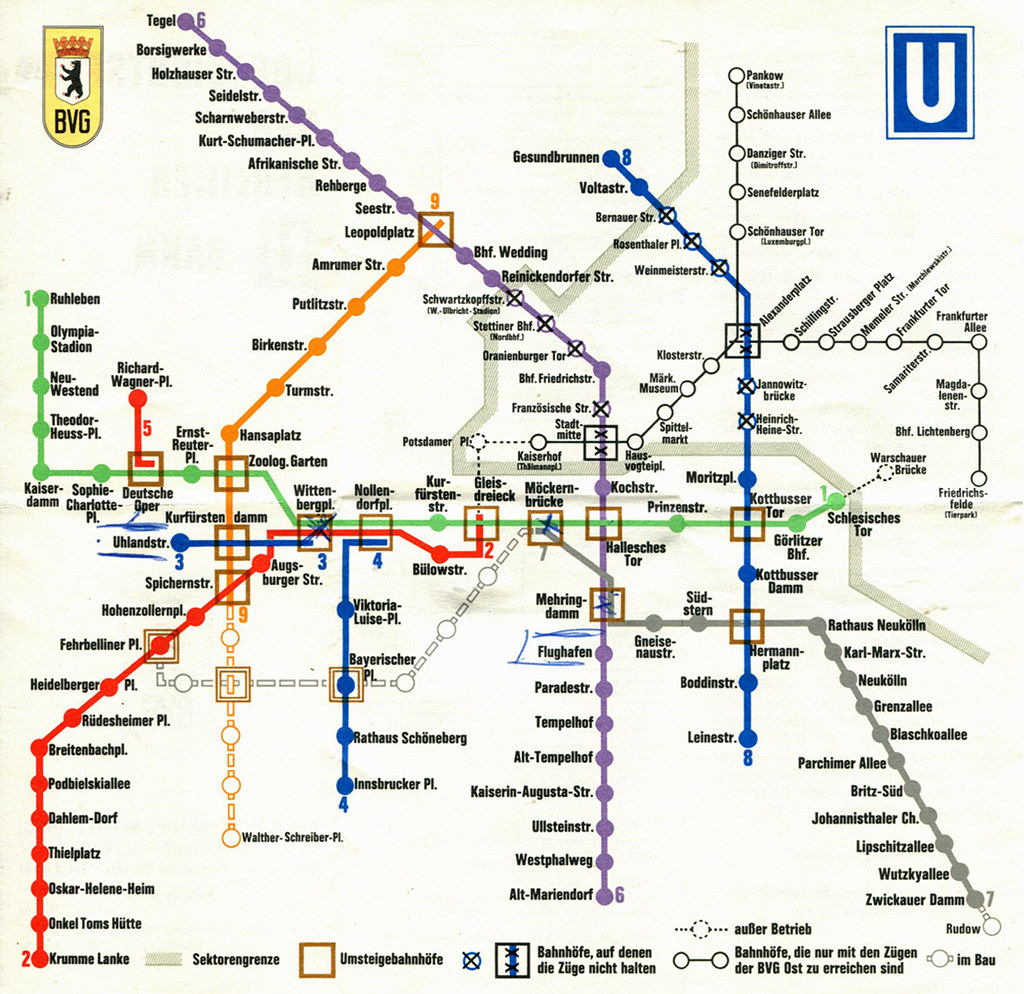
BVG investments in public transport shaped attendance patterns by improving connections between residential areas and school locations. Families in outer districts gained easier access to central options, altering how resources were allocated. These infrastructure steps intersected with ongoing rent cap debates that affected where households could afford to live and therefore which schools children attended.
Evidence for these developments appears in the gradual layering of policies rather than sudden shifts. Integration programmes expanded in response to demographic data collected over years. Coalition agreements documented the emphasis on Turkish-German community engagement alongside broader Energiewende goals for public buildings.
Observers expect further adjustments as city planners weigh enrolment trends against available space. Local authorities continue to review how transport upgrades and housing rules interact with school operations. Residents can follow updates through district education offices and coalition statements issued in coming months.