news
Berlin City Council Updates: Understanding the Context Behind Current Decisions
A look into how past developments shaped recent City Council actions amid ongoing urban challenges.
How we reported this
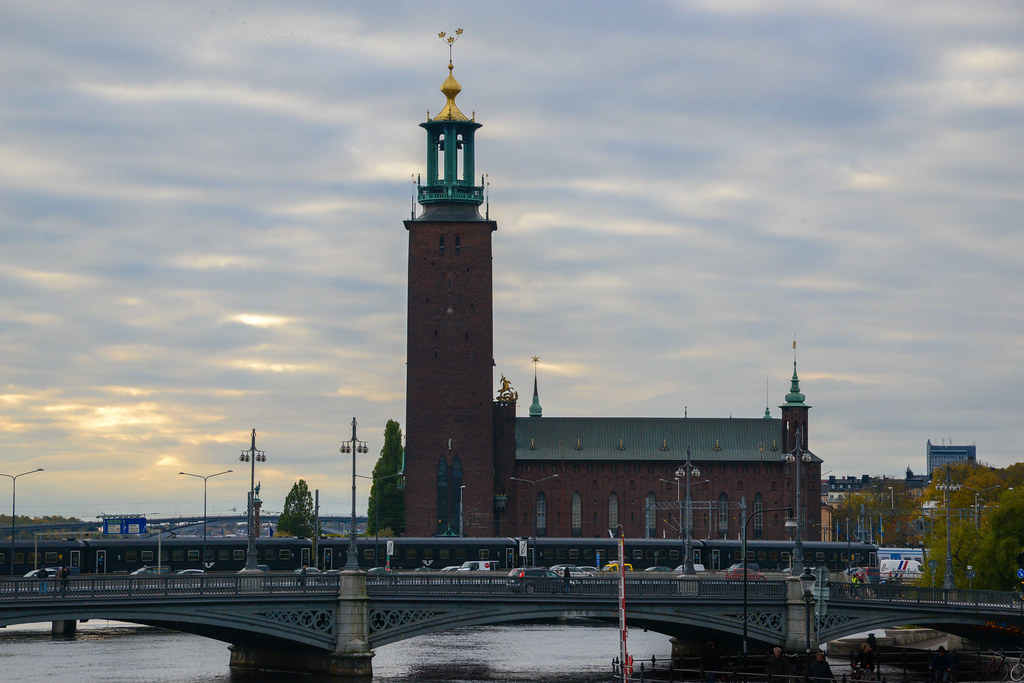
The Berlin City Council’s recent measures reflect the culmination of complex and long-standing challenges facing the city’s housing, energy, and public service sectors. As officials continue to grapple with persistent housing shortages and the demands of the Energiewende energy transition, understanding the historical and policy contexts that have led to current decisions is crucial.
Why Now: Pressure Builds on Housing and Energy Policy
Berlin’s housing crisis remains at the forefront of City Council discussions. Years of rapid population growth, coupled with inadequate housing supply, have intensified the need for new approaches. The SPD-led coalition, in particular, has wrestled with balancing affordability concerns against the realities of a competitive real estate market. This situation is further complicated by the city’s rent cap controversy, which has sparked widespread debate over regulatory approaches.
Simultaneously, Berlin’s commitment to the Energiewende-Germany’s energy transition strategy-places additional pressures on infrastructure and public service sectors, including public transport. Investments into BVG, the city’s public transport operator, highlight how energy policy and urban mobility intersect.
Local Factors Shaping Council Decisions
Several local dynamics underpin the council’s recent updates. The large Turkish-German community and integration politics influence social policy, while the city’s growing reputation as a startup and tech hub drives economic development discussions. These factors inform the council’s efforts to simultaneously address social cohesion and economic competitiveness.
The neighbourhoods most impacted by housing shortages are diverse, ranging from areas like Neukölln, known for its vibrant immigrant populations and gentrification pressures, to Friedrichshain and Kreuzberg, where housing costs continue to escalate sharply. Local advocacy and tenant organisations have been vocal in shaping the debate, pushing the council to consider progressive policy options.
On the energy front, the Energiewende’s goals require ongoing transition of Berlin’s energy supply systems. The city’s recent allocation of resources towards BVG’s expansion and modernization efforts reflects a broader strategy to reduce carbon emissions while maintaining efficient public transport coverage.
Evidential Underpinnings and Looking Ahead
Though current updates do not yet include newly published statistics or milestone dates, the qualitative evidence is clear: long-term challenges in Berlin’s housing market and energy management demand innovative policymaking. The breakdown of cease-fire talks internationally and broader geopolitical events underscore the fragile global context in which Berlin’s local authorities operate, heightening the importance of resilient urban governance.
Residents, business owners, and community stakeholders should keep abreast of council meeting announcements and public consultations, which provide avenues to engage directly with policy formation. It remains vital for Berliners to participate in these forums to shape outcomes that reflect the city’s complex social fabric and environmental aspirations.
Ultimately, the path forward will likely continue to emphasize balancing economic growth, social equity, and sustainability-a challenge that has deep roots in the city’s recent history and will remain central to forthcoming council deliberations.