news
Berlin's Housing Shortage and Energy Debates Trace Back to Coalition Decisions
From housing shortages to energy debates, understanding Berlin’s current issues requires looking back at recent developments and coalition decisions.
How we reported this
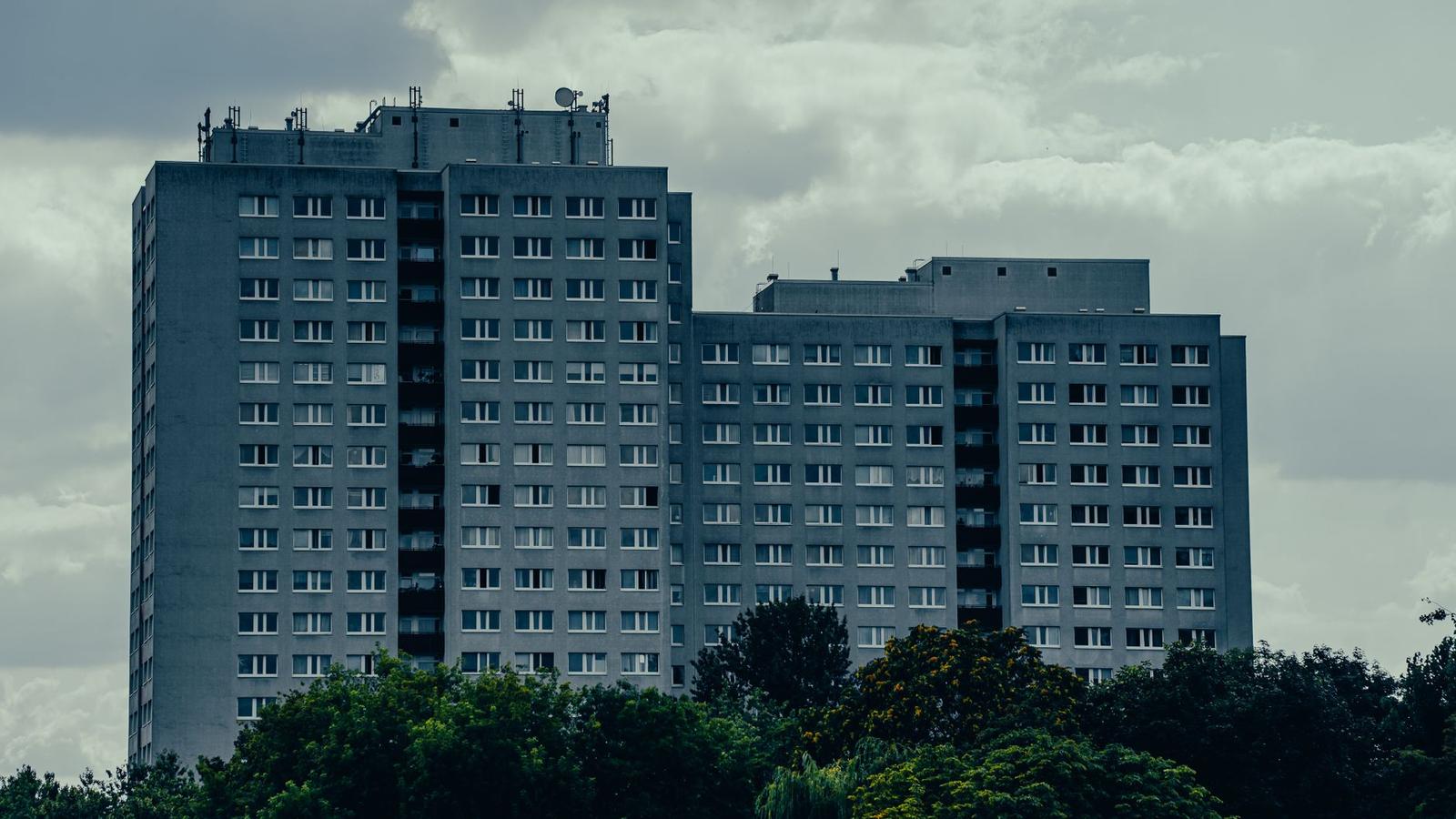
Berlin's ongoing housing shortage, debates over rent control, and energy transition challenges have all intensified in recent months, spotlighting underlying factors that have culminated in the city's present predicament. Garnished by the SPD-led coalition's policy decisions and the city's unique demographic makeup, Berlin finds itself grappling with issues central to its growth and social cohesion.
Why These Issues Command Attention Now
The current moment is pivotal as it reveals the consequences of policies enacted over the past decade just as pressure mounts on Berlin's infrastructure and social fabric. The convergence of a tight housing market coupled with contentious policy debates, particularly regarding rent caps, has made headlines and sparked public dialogue. The multifaceted strain on public services, including transport investments by BVG and the ongoing Energiewende energy transition, adds complexity to city governance.
In a city where a substantial proportion of the population comprises Turkish-German communities alongside other immigrant groups, integration politics remain intertwined with housing and social welfare concerns. Residents feel these pressures acutely, and political actors are pressed to respond with effective strategies.
Local Factors Behind the Headlines
Berlin's SPD-led coalition has pushed initiatives aiming to address shortages, but results have been uneven as supply has lagged behind demand. The rent cap debate illustrates broader tensions: stakeholders argue over its efficacy amid skyrocketing prices in desirable neighborhoods and burgeoning demand in startup hubs such as Mitte and Kreuzberg.
The city's public transport authority, BVG, has also been investing significantly to accommodate population growth and reshape mobility, which intersects with questions about sustainable living in the context of Energiewende, Germany’s ambitious energy transition programs. These developments affect daily life and economic prospects across districts, from Spandau to Friedrichshain.
Alongside housing and transport, integration policies seek to balance cultural diversity with social cohesion. Berlin’s large Turkish-German population remains central to these efforts, influencing education programs and community support mechanisms, with the city aiming to foster inclusion amid rapid socio-economic change.
Examining the Evidence
While precise statistics on Berlin's current housing vacancy rates or rent inflation are not sourced in this round-up, qualitative analysis reveals a pattern of increasing pressure on the housing stock and urban services. The strategic focus on significant BVG investments underscores recognition of infrastructural needs, while debates surrounding the rent cap signal unresolved challenges in managing affordability and tenant rights.
The prominence of the SPD-led coalition further contextualizes decision-making processes, with their political stance shaping legislation and public resource allocation. The city's ongoing engagement with the Energiewende energy transition reflects broader national goals but also places localized demands on energy infrastructure and sustainability efforts.
Ultimately, converging issues of housing, transport, energy, and integration form a complex web, demanding coordinated responses supported by empirical data and community input.
Moving forward, Berlin’s policymakers and residents must continue dialogue informed by past developments and current realities. Practical action focusing on expanding affordable housing supply, ensuring equitable transport access, and reinforcing integration initiatives will be key to addressing the city’s pressing challenges. Monitoring policy outcomes and adjusting approaches based on grounded evidence remain essential steps as Berlin navigates this chapter in its urban evolution.