news
Berlin Education Officials and Experts Debate Reform Challenges Ahead
Voices from Berlin’s political and educational spheres outline challenges and visions amid ongoing reforms and community concerns.
How we reported this
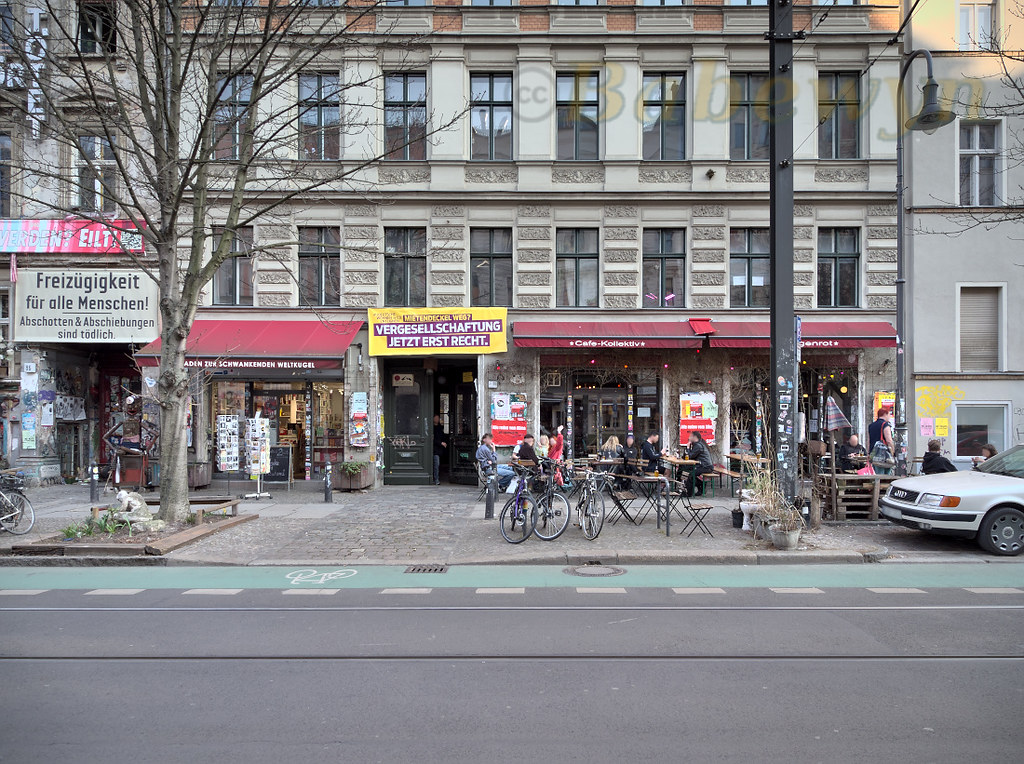
Berlin's education system remains a focal point of public discussion as officials, experts, and community leaders comment on the city's response to persistent challenges such as school capacity, integration, and the evolving demands of digital learning.
Why Education is Center Stage in Berlin Today
In a city grappling with demographic growth and integration pressures, education takes on heightened significance. Berlin's youthful population growth and the presence of a large Turkish-German community highlight the need for schools sensitive to linguistic diversity and cultural inclusion. With the early 2026 school year marked by reported overcrowded classrooms and calls for more digital resources, policymakers face pressure to balance immediate capacity needs with long-term quality improvements.
Current debates also intertwine with the ongoing public discourse about housing shortages and the Energiewende transition, both influencing family stability and daily life. Experts assert that stable living conditions and reliable infrastructure are critical for improving student outcomes, underscoring education’s linkage with broader urban policy issues.
Perspectives from Policymakers and Educators
Local officials acknowledge these multifaceted challenges. Representatives of the SPD-led coalition emphasize recent investments directed at expanding classroom spaces and enhancing digital infrastructure in schools. While precise figures are not yet publicly released, these initiatives are designed to ease the pressure on popular districts like Neukölln and Kreuzberg, where school overcrowding remains acute.
EduTech specialists urge further support for teacher training in digital competencies, noting that Berlin’s status as a tech startup hub provides opportunities to pilot innovative educational tools. They highlight programs initiated by local NGOs that supplement official curricula with coding and language workshops, enhancing inclusion for students from immigrant families.
Meanwhile, integration experts stress the importance of expanding multicultural support services within schools to address both language acquisition and social cohesion. These efforts, they argue, are vital to combatting educational disparities and fostering community solidarity amid Berlin’s diverse population.
Evidence and Outlook
Although detailed statistics specific to Berlin’s 2026 school-year developments are unavailable within the scope of current reports, qualitative assessments indicate continued strain on physical and human resources. Anecdotal accounts from educators point to instances of large class sizes and a backlog in updating technological equipment. Nonetheless, the momentum behind public discussions has increased, with stakeholder forums and community consultations becoming more frequent.
Looking ahead, Berlin’s education authorities and civic organizations encourage families to engage proactively with schools regarding available programs and support services. Authorities recommend monitoring official announcements for updates on funding allocations and infrastructural projects targeting the school system. This period of adjustment may also open avenues for pilot projects integrating Berlin’s tech sector expertise into classrooms.
As Berlin positions itself for a sustainable and inclusive educational future, balancing growth management and integration will remain central challenges addressed collaboratively by policymakers, educators, and the community.