news
Berlin Coalition Reviews Community Safety Roots Amid Housing and Integration Pressures
SPD-led efforts trace current safety concerns to longstanding debates over rents and migrant communities in the capital.
How we reported this
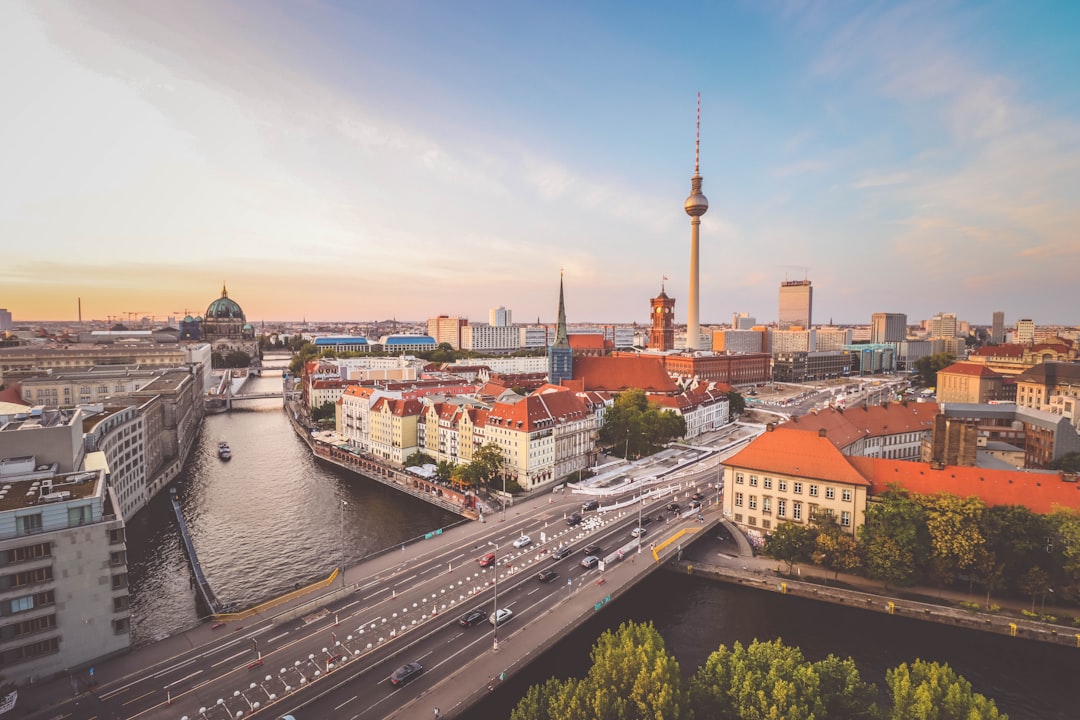
Berlin officials have begun reviewing community safety patterns that stem from years of housing shortages and integration challenges in the Turkish-German population.
The timing reflects pressure on the SPD-led coalition to address resident concerns before the next budget cycle. Global events such as US strikes on Iran and Ukrainian operations against Russian targets have heightened local unease about public order, even as those conflicts remain distant. Residents link rising unease to daily pressures rather than distant headlines.
Housing shortage shapes daily routines
The rent cap debate has left many households in older districts struggling to find stable accommodation. Families report moving frequently, which disrupts ties with neighbours and local watch groups. BVG investment in public transport upgrades has improved some routes but also concentrated crowds at key stations during evening hours. Analysts note that limited affordable units push newcomers into areas already managing dense populations.
Startup growth in tech corridors adds foot traffic and late-night activity without corresponding increases in visible patrols. The coalition has discussed linking new building approvals to safety audits, yet progress remains slow. Energiewende projects that retrofit older buildings for efficiency sometimes reduce street-level lighting during construction phases.
Integration politics inform safety approaches
The large Turkish-German community has long participated in local forums on social cohesion. City programmes encourage joint events between long-term residents and newer arrivals to build familiarity. Recent coalition statements emphasise that safety improves when language classes and job placement services reach more participants. Officials avoid broad claims about crime trends and instead focus on practical steps such as expanded community mediation teams.
Research suggests that stable housing and regular contact reduce friction points in mixed neighbourhoods. The coalition plans further talks with BVG on lighting and camera placement at transport nodes. Residents can check district websites for upcoming public meetings on these topics and submit input on specific streets or stations.