news
Berlin Education Changes Bring New Pressures and Supports for Families
Recent policy shifts in schooling duration, construction targets and teacher conditions are reshaping daily life for parents, students and educators across the city.
How we reported this
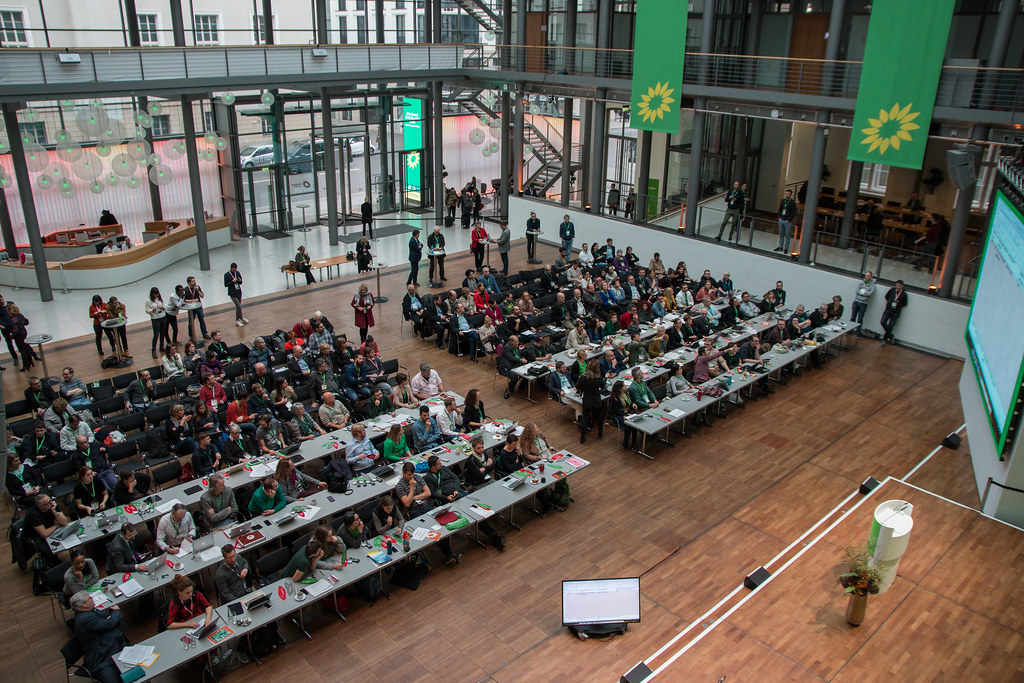
Berlin has introduced a data-based strategy to improve education quality focused on German and maths skills, while extending compulsory schooling to 11 years starting in the 2025/26 school year. These steps replace scattered initiatives with systematic support and standardised evaluations of learning progress.
Longer schooling requirement affects families directly
The extension means students under 18 without a clear post-school plan must attend an additional year after 10th grade. For local households this alters planning around apprenticeships, further training or entry into work, particularly in neighbourhoods where many young people finish school at the previous minimum. The change applies city-wide and ties into broader efforts to keep students engaged until they have a defined next step.
Construction progress and teacher workload agreement target capacity and retention
The school construction initiative has delivered approximately 53,000 additional seats by 2025 and aims for 62,000 by the 2026/2027 school year, cutting the overall shortage from 26,100 to 24,100 places. A separate agreement effective from the 2026/2027 year reduces teacher workloads through smaller classes in challenging areas, one teaching-free day per week for primary school meetings, and lighter schedules for teachers over 63, at a cost of €32 million. These measures address ongoing shortages by improving conditions that influence whether staff remain in Berlin classrooms.
Redirection of support hours creates local debate
The Education Administration plans to remove designated special support hours known as Profilbedarf II and move those teachers to hotspot schools. School leadership and the Parents' Council have opposed the shift, arguing it will reduce targeted help in existing settings while shortages persist. Residents with children in schools that previously relied on these hours may see changes in available assistance, while hotspot locations could gain staff.
Parents and guardians can track updates through the Senate Department for Education, Youth and Family resources listed on berlin.de and contact their school directly about how the workload agreement or support-hour changes will apply in the coming years. The new quality strategy includes standardised progress checks that families may encounter in routine reporting.