Politics
Berlin City Council Approves Revised Affordable Housing Policy to Increase Local Access
New measures aim to expand affordable housing availability in Berlin, impacting tens of thousands of residents facing rising rents.
How we reported this
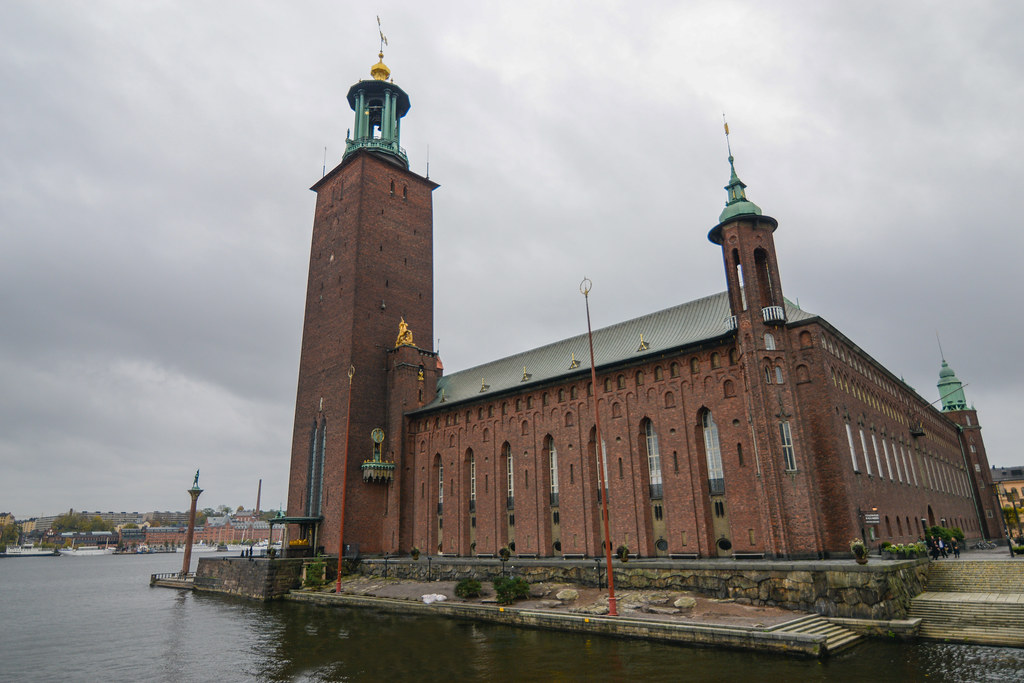
At its July 10 meeting, the Berlin city council voted to implement a revised affordable housing policy designed to increase the stock of low-cost rental units across the city. The policy mandates developers to allocate at least 35 percent of new residential projects to affordable housing, set below market rents and targeting households earning up to 60 percent of the city's median income. This change is expected to influence hundreds of new housing units within the next five years, aiming to ease pressure on Berlin residents struggling with housing affordability.
Housing affordability has become a focal point in Berlin as rents have steadily surged over recent years, driven by population growth and demand outpacing supply. The revised policy responds to this trend by strengthening requirements compared to earlier regulations that mandated only 25 percent of new units be affordable. City officials note that while Berlin's affordable housing share still falls short of targets seen in cities like Vienna, which maintains a 40 percent threshold, this move aligns Berlin more closely with European peers tackling similar challenges.
Implications for Berlin Residents
For Berlin residents, especially those in lower and moderate-income brackets, the policy is projected to improve access to more affordable rental options in new developments concentrated in neighborhoods such as Neukölln, Marzahn, and Spandau. The legislation also requires that affordable units remain designated for at least 20 years, ensuring longer-term stability for tenants. Tenants can expect rent savings estimated at 15 to 30 percent compared to standard market rents in these areas, according to calculations in the city’s housing department's July briefing.
The policy includes provisions for monitoring compliance and penalties for developers who fail to meet the affordable housing quota. Additionally, the council allocated an extra €20 million in this year's budget for supporting housing cooperatives and non-profit builders, complementing the regulatory approach with financial incentives to expand affordable housing supply.
Evidence and Comparison with Other Cities
Berlin’s initiative follows a series of similar policies in major German cities. For example, Hamburg implemented a 35 percent affordable housing requirement in 2024, resulting in over 6,500 affordable units approved within the first two years. Frankfurt maintains a 30 percent target but couples this with subsidies for below-market rentals. According to the Federal Institute for Research on Building, Urban Affairs and Spatial Development, Berlin’s new target places the city within the mid-range among Germany's largest urban areas, where affordable housing quotas vary between 25 and 40 percent.
Data from the city’s housing monitoring report indicates that as of 2025, affordable housing constituted roughly 18 percent of Berlin’s total residential units, highlighting the need for the council's strengthened measures. The new policy projects adding 12,000 affordable units by 2030, which equates to a roughly 4 percent increase over current levels, intending to slow rent increases and increase housing options.
Next Steps and Implementation
The policy will take effect from October 1, 2026. Developers submitting new building applications after this date must comply with the increased affordable housing quota. The city administration plans to establish a dedicated oversight office by early 2027 to audit compliance and coordinate funding distribution. There is an expected review of the policy’s effectiveness in 2029, which will assess housing market impacts and may inform adjustments.
Berlin residents facing housing challenges may see gradual relief as this plan unfolds. However, authorities warn that increasing affordable stock remains one part of a broader strategy that includes supporting tenant protections and addressing long-term urban growth. Community groups focusing on housing affordability have welcomed the move but continue to call for expanded measures to meet the scale of demand.