Politics
Berlin Invests €2.8bn to Fix Roads, Expand Transit, Create 12,000 Jobs
The mayor's new spending plan targets crumbling Berlin streets and overcrowded U-Bahn lines while promising to hire thousands of public sector workers in education and waste management.
How we reported this
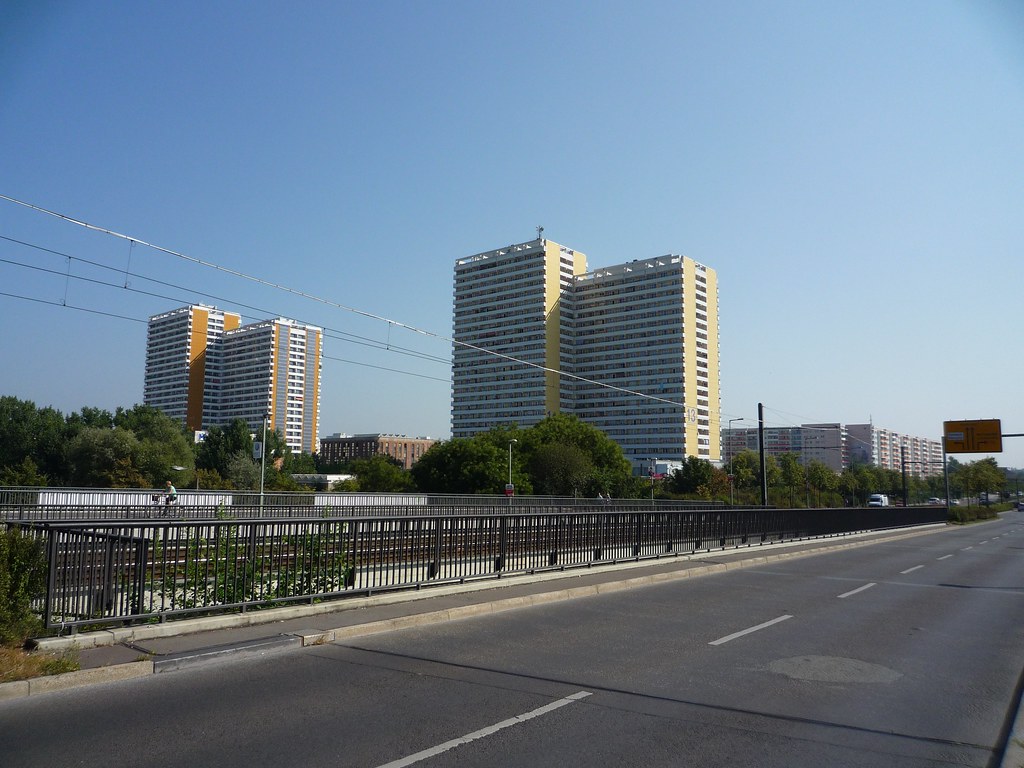
Berlin's mayor announced a five-year infrastructure and employment plan on Friday that commits 2.8 billion euros to repairing the city's roads, expanding public transport capacity, and hiring an additional 12,000 municipal workers. The initiative, which takes effect from January 2027, represents the largest public sector hiring drive in Berlin since 2015 and addresses mounting pressure on the city's aging infrastructure and stretched public services.
The timing reflects an urgent problem: Berlin roads rank among Germany's most damaged. A city transport authority audit released in May found that 42 percent of Berlin's 7,400 kilometres of streets require immediate repair or resurfacing. Residents in districts like Neukoelln and Lichtenberg have reported potholes large enough to damage vehicle suspensions, and the city's water and sewage lines, many dating to the 1960s, frequently rupture during heat waves. The U-Bahn system carries 1.3 million passengers daily but operates at 94 percent capacity during peak hours, according to the state transport company BVG. Delays have increased 28 percent since 2019.
Of the 2.8 billion euros, 1.2 billion euros will go directly to road reconstruction and repair work across all twelve districts. Another 680 million euros targets the U-Bahn and S-Bahn networks, funding new rolling stock and upgraded signalling systems. The remaining funds will support hiring in schools, waste management, and public health services. The city government says it expects the road work program alone to create roughly 3,400 temporary construction and skilled trades jobs over the five-year period. The permanent public sector hires, which include 4,100 teaching positions and 2,800 waste management and street cleaning roles, are intended to address chronic staffing gaps. Berlin's public schools have been forced to cut afternoon programmes in 23 schools due to teacher shortages, and waste collection has been sporadic in some areas since staffing fell below agreed levels in 2024.
What the plan means for daily life in Berlin neighbourhoods
For commuters, the transit investment signals faster journeys on two key routes. The U6 line, which serves Friedrichstrasse and Wedding, will receive new trains by 2029, reducing the wait time between services from 4.5 minutes to 3 minutes during rush hours. Signal upgrades on the S41 ring line, completed by 2028, are expected to increase train frequency by one service every 20 minutes. Bus services in outer districts like Hellersdorf and Mahlsdorf, which currently see buses every 25 to 40 minutes on main routes, are projected to gain additional afternoon and evening services starting in 2027. The city has also allocated 120 million euros for new cycle infrastructure, including protected lanes on 85 kilometres of streets where car traffic currently dominates bike routes.
For residents in outer neighbourhoods hit hardest by road deterioration, the program identifies priority zones. Hellersdorf, Mahlsdorf, and parts of Spandau will see resurfacing contracts begin in early 2027. The city's own engineering department flagged the Teltower Damm in Steglitz-Zehlendorf and major stretches of the Landwehr Canal cycling path in Charlottenburg as the most urgent repairs.
Employment and service provision on the line
Local advocacy groups focused on education point out that the teacher hiring commitment addresses a concrete shortfall. Berlin schools reported 1,240 unfilled teaching positions as of March 2026, according to the city's education authority. The 4,100 new positions represent a 12 percent increase in the municipal teaching workforce by 2031. Wages for new hires will start at 52,000 euros annually for primary school positions. The city also committed to reopening after-school programmes in 45 schools by September 2027, reversing cuts made between 2022 and 2025.
The plan now moves to the city parliament for formal approval, expected by October. Implementation begins in January 2027. The city government says it will finance the initiative through a combination of federal infrastructure grants, KfW development bank borrowing, and reallocation of existing budget lines. A formal sustainability assessment will be completed in December.