Politics
Berlin’s New Jobs and Infrastructure Strategy Targets Local Services and Employment Growth
The city government announces a comprehensive plan focused on boosting employment, improving public services, and upgrading infrastructure to benefit Berlin residents.
How we reported this
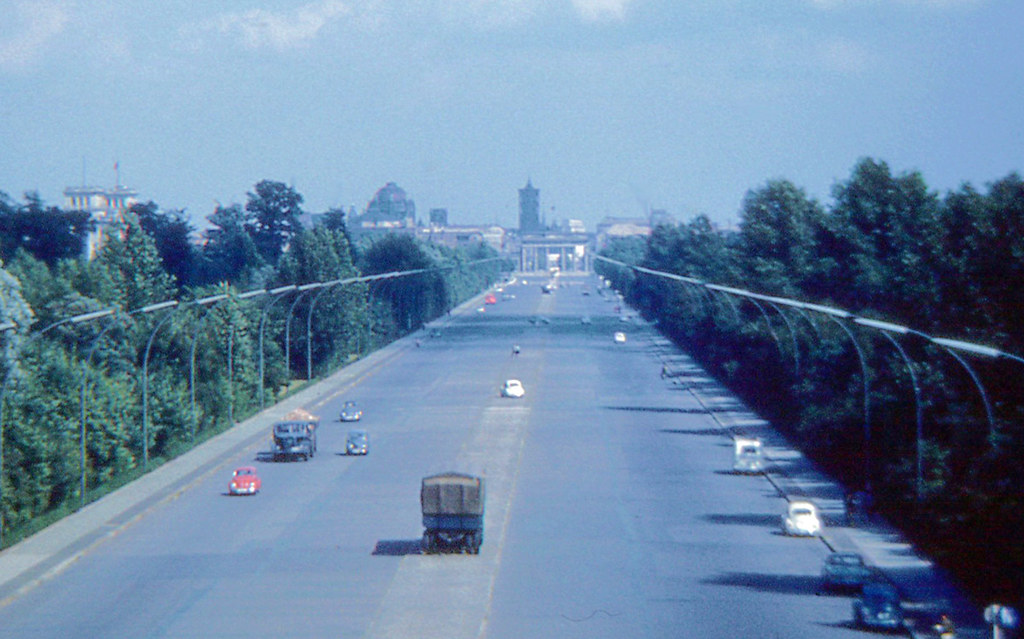
Berlin’s local government has unveiled a multi-year policy initiative aimed at revitalising the city’s labour market, expanding public services, and investing in infrastructure development. The plan, announced on July 10 and applying to the 2026-2030 period, is expected to affect thousands of workers and residents across the city’s twelve boroughs.
This focus on jobs, services, and infrastructure emerges amid ongoing challenges for Berlin residents including rising living costs, stretched public transport, and an urban workforce adapting to changing economic conditions. The city’s unemployment rate stood at 7.5% as of May 2026, higher than the national average of 5.8%, highlighting the need for targeted employment policies. Additionally, Berlin’s infrastructure requires significant maintenance and expansion to meet the demands of its growing and diverse population, which recently reached 3.8 million people.
Targeted Job Creation and Public Services Expansion
The policy outlines substantial investment in sectors such as renewable energy, digital technology, and healthcare, all intended to create approximately 12,000 new jobs by 2030, according to the official city budget document. The plan emphasises support for training and apprenticeship programs, particularly for young adults and those re-entering the workforce after unemployment.
Public services will also be expanded, with specific provisions for adding 500 new child daycare places and increasing the capacity of eldercare facilities across Berlin. Public transport upgrades focus on purchasing 350 new electric buses and renovating 15 major tram lines, aiming to improve the reliability and frequency of services for daily commuters. These upgrades are expected to reduce average weekday commute times by up to 10 minutes in densely populated districts like Mitte and Friedrichshain-Kreuzberg, according to the city’s transport authority projections.
Investment Figures and Next Steps
The overall budget allocation for this policy stands at 2.3 billion euros over five years, with 800 million euros specifically earmarked for infrastructure projects and 600 million euros dedicated to workforce development programs. The government says this funding partly comes from increased federal transfers agreed upon as part of the 2026 national budget.
Implementation is scheduled to begin immediately, with the first tranche of funds disbursed in the third quarter of 2026 to support job training centres and launch the initial infrastructure upgrades. Residents can expect to see early improvements in daycare availability by early 2027, while major transport infrastructure work will roll out progressively through 2028 and beyond.
Policy analysts note that measurable impacts on unemployment and commuter experiences may not fully materialise until the latter years of the program. However, the city government stresses that the integrated focus on jobs, services, and infrastructure aims to provide more stable employment opportunities and improved quality of life for Berliners over the medium term.