Politics
Berlin's Expanded Mental Health Services Aim to Reduce Waiting Times and Improve Access
New regional funding and policy reforms increase mental health support capacity, impacting thousands of Berlin residents.
How we reported this
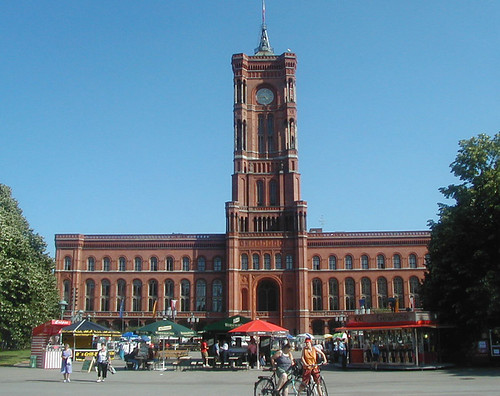
Berlin's Senate has introduced a reform to expand mental health services across the city, focusing on reducing waiting times for therapy and increasing access to care for residents. The policy targets individuals dealing with mental health challenges by boosting outpatient care availability and integrating services with community health centers.
The initiative comes as Berlin, like many major European cities, grapples with rising demand for mental health support following the COVID-19 pandemic. Recent studies indicate that waiting times for publicly funded psychotherapy in Berlin averaged up to 16 weeks in late 2025, significantly longer than the national recommended target of six weeks. This backlog has prompted calls for more resources and streamlined pathways from referral to treatment.
What This Means for Berlin Residents
Under the reform, Berliners seeking mental health support will see an increase in available approved therapists working within the city's health insurance system. The policy mandates the addition of 300 therapy slots within the outpatient sector by the end of 2027, a 25% increase relative to the current capacity. The expansion particularly focuses on youth and young adults, who account for approximately 40% of new cases, with new youth counselling centers planned in the districts of Neukölln and Friedrichshain-Kreuzberg.
The policy also aims to introduce digital consultation options and expand collaboration with social services to provide more comprehensive care. For residents, this means a broader range of initial assessment points and potentially shorter waits to begin treatment.
Data Highlights and Next Steps
According to the Senate Department for Health's 2026 budget, an additional €15 million has been allocated specifically for outpatient mental health services expansion. This compares with roughly €60 million spent in Berlin for such services in 2025. Nationally, Berlin’s waiting times remain above cities like Hamburg, where recent reforms have cut waits to under eight weeks, according to the Federal Statistical Office.
The government says the expanded services will be phased in over the next 18 months, with the first new therapy slots expected to open in early 2027. Residents can expect improved availability by mid-2027, although full implementation is projected to extend into 2028 as new professionals join the system and infrastructure upgrades are completed.
Policy analysts note that while progress is measurable, ongoing monitoring will be needed to ensure the increased capacity matches demand trends, particularly among vulnerable groups. For now, Berliners may start noticing easier access when seeking mental health care, reflecting the region’s commitment to addressing these needs amidst growing pressures on health services.