Politics
Berlin Council Approves New Housing Zoning Rules Impacting Rental Availability
Revised zoning laws will shape future housing supply, with effects on rental costs and neighbourhood development across Berlin.
How we reported this
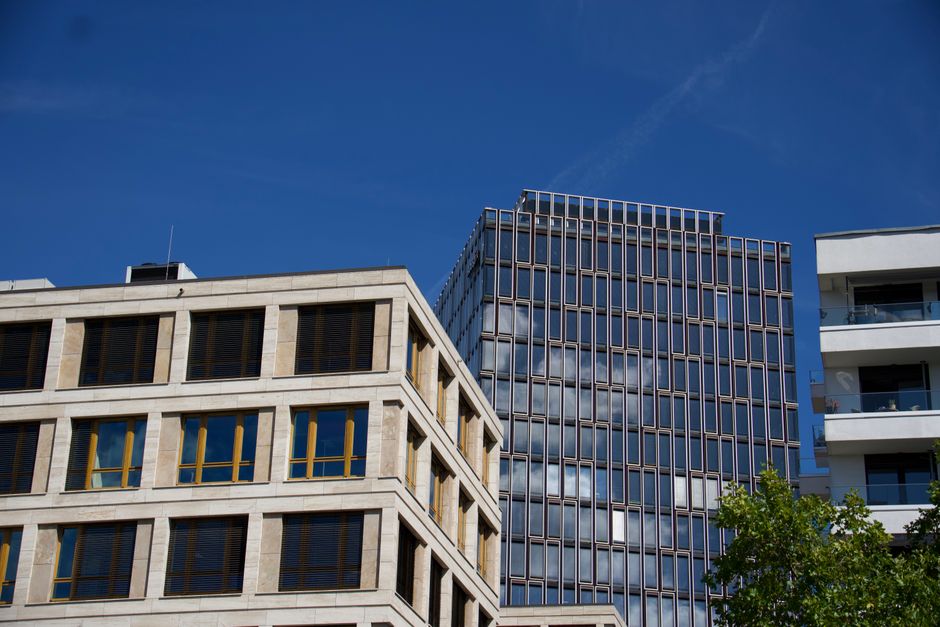
The Berlin city council passed new zoning regulations this week that alter permissible building densities and mixed-use development allowances, directly affecting local residents’ housing options. These changes primarily target areas in Friedrichshain-Kreuzberg and Neukölln and are expected to influence rental availability and prices in those districts over the coming years.
This policy update follows rising concerns about Berlin’s affordability crisis, as soaring rents and limited housing stock have pressured many households. The council’s revisions aim to balance the demand for more residential units with the preservation of community character and green spaces, amid ongoing urban development challenges in the city.
Impact on Residents and Local Communities
For Berliners currently renting or seeking housing, the new zoning laws could bring an increase in housing supply in key central districts, potentially easing upward pressure on rents. Specifically, the amendments permit increased floor area ratios in designated mixed-use zones, allowing developers to add more residential units above commercial properties. This may create more apartments suitable for middle-income residents, according to urban planning documents released by the Senate Department for Urban Development.
However, the policy also restricts high-rise developments and limits construction density near rivers and historic districts, which means expansions will be less pronounced in certain popular neighbourhoods. Residents in those protected areas should expect fewer new building projects, preserving the existing neighbourhood atmosphere but offering limited relief from rental competition. Local community groups have pointed out that these protections are intended to maintain quality of life and avoid overburdening existing infrastructure such as schools and transport.
Budget Figures and Projections
The Senate’s July 2026 housing report states the new zoning policy supports the construction of approximately 5,000 additional residential units over the next five years within targeted districts. This figure reflects a moderate increase compared to previous citywide construction rates of about 8,500 units annually but focuses growth on areas favored by renters.
Financially, the policy is tied to an estimated €150 million investment in local infrastructure upgrades, including expanded public transport services and green space enhancements, aimed at accommodating the expected population growth from new housing projects. The city government projects this measure will stabilise rental market growth by 2028 but notes that immediate rent decreases are unlikely given existing market pressures and the timeline of construction.
The legislation directs increased oversight on permit approvals to ensure developers meet affordability criteria, and penalties are outlined for violations. These controls are intended to ensure the expansion of housing stock benefits a broad swath of Berlin residents rather than solely premium market segments.
Moving forward, the city council has scheduled a follow-up review of the zoning outcomes in mid-2028 to assess impacts on housing availability and rental prices. Public consultations will continue through neighbourhood forums, allowing residents to provide feedback on ongoing developments. While the policy sets a framework for modest growth balanced with community preservation, its ultimate effects on Berlin’s long-term housing affordability will unfold over several years.