Politics
Berlin’s Transport Policy Review Targets Cost-of-Living Relief for Households
The new transport policy adjustments are expected to ease daily commuting expenses for Berlin residents amidst rising living costs.
How we reported this
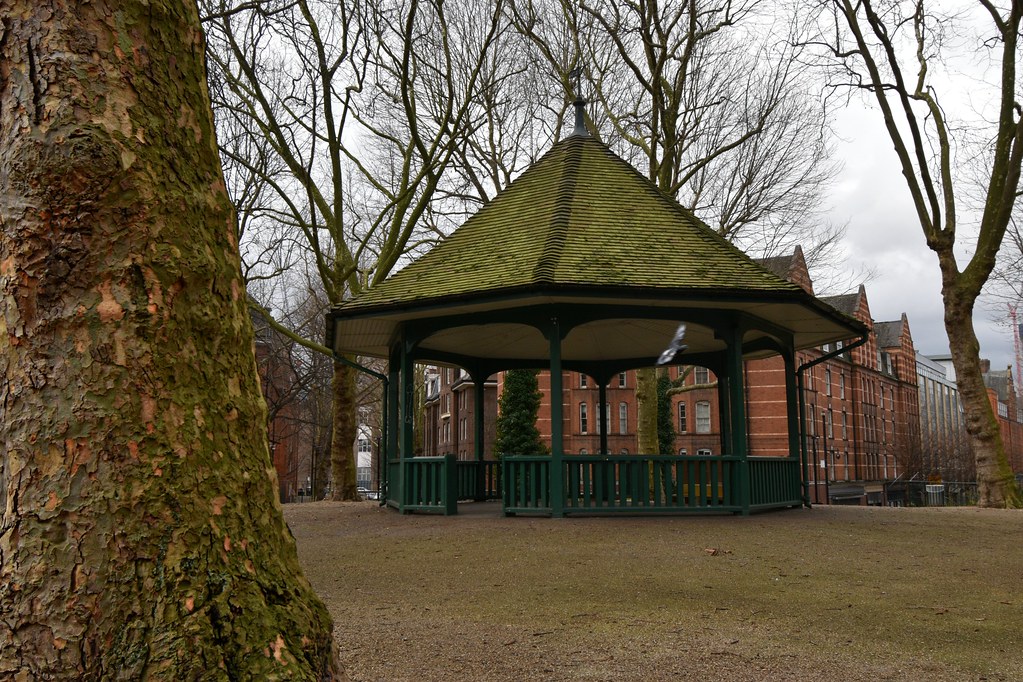
Berlin’s Senate recently announced a comprehensive review of the city’s transport policy aimed at mitigating the impact of rising living costs on household budgets. The policy changes are targeted at public transit pricing, infrastructure investment, and mobility access for low- and middle-income families who rely on daily travel across the city.
Economic pressures have made mobility a critical issue in Berlin, with inflation affecting energy prices, food, and housing. Transport expenses now consume a larger share of household income, prompting city planners to reassess fare structures and service delivery. The Senate’s strategy comes after studies showed that nearly 40% of Berliners reported difficulty affording public transport fares during the first half of 2026, highlighting the urgency for responsive policy measures.
Implications for Berlin Residents
The policy review proposes to introduce more flexible ticketing options including expanded discount periods and reduced fares for families and seniors. Residents currently pay a standard monthly public transport ticket price ranging from €86 (Berlin AB zone) to €110 (ABC zone), according to the Berliner Verkehrsverbund (BVG). Proposed subsidies aim to reduce costs by up to 20% for eligible households by 2027. This change is projected to save a typical commuter up to €20 monthly, contributing to household budget relief. Furthermore, the city plans to improve punctuality and increase service frequency on key tram and bus routes, reducing travel times and supporting better access to jobs and essential services.
In response to community feedback, the policy also includes measures to support non-motorised transport. Investments in cycling infrastructure will add 50 kilometres of new bike lanes over the next two years, enhancing safe and affordable options for short-distance travel, notably in districts such as Neukölln and Friedrichshain. These expansions are expected to encourage more Berliners to shift from private cars, potentially reducing both transport costs and urban congestion.
Budget and Next Steps
The 2026-2028 Berlin public budget allocates €1.2 billion to mobility projects, including €450 million for public transport enhancements and €90 million specifically for fare subsidies. The city government states that these investments are part of a wider commitment to keep mobility affordable while achieving climate targets outlined in the Berlin Climate Protection Act.
The policy review process will continue through public consultations scheduled until September 2026, with formal legislative proposals expected by the end of the year. Transport authorities will monitor impacts through regular passenger surveys and fare collection data. Detailed reports on affordability and accessibility metrics are due by mid-2027 to guide any required further adjustments.
Berlin residents should prepare for upcoming announcements about eligibility criteria for fare reductions and new service schedules set to roll out early next year. Local transport advocates note that the success of these measures will depend on clear communication and efficient implementation to ensure households experiencing economic strain benefit as intended.