Lichtenberg emerges as Berlin's next affordable housing investment frontier
As developers pivot east, this overlooked district offers city-centre connectivity without Mitte's €8,000/sqm price tag.
As developers pivot east, this overlooked district offers city-centre connectivity without Mitte's €8,000/sqm price tag.
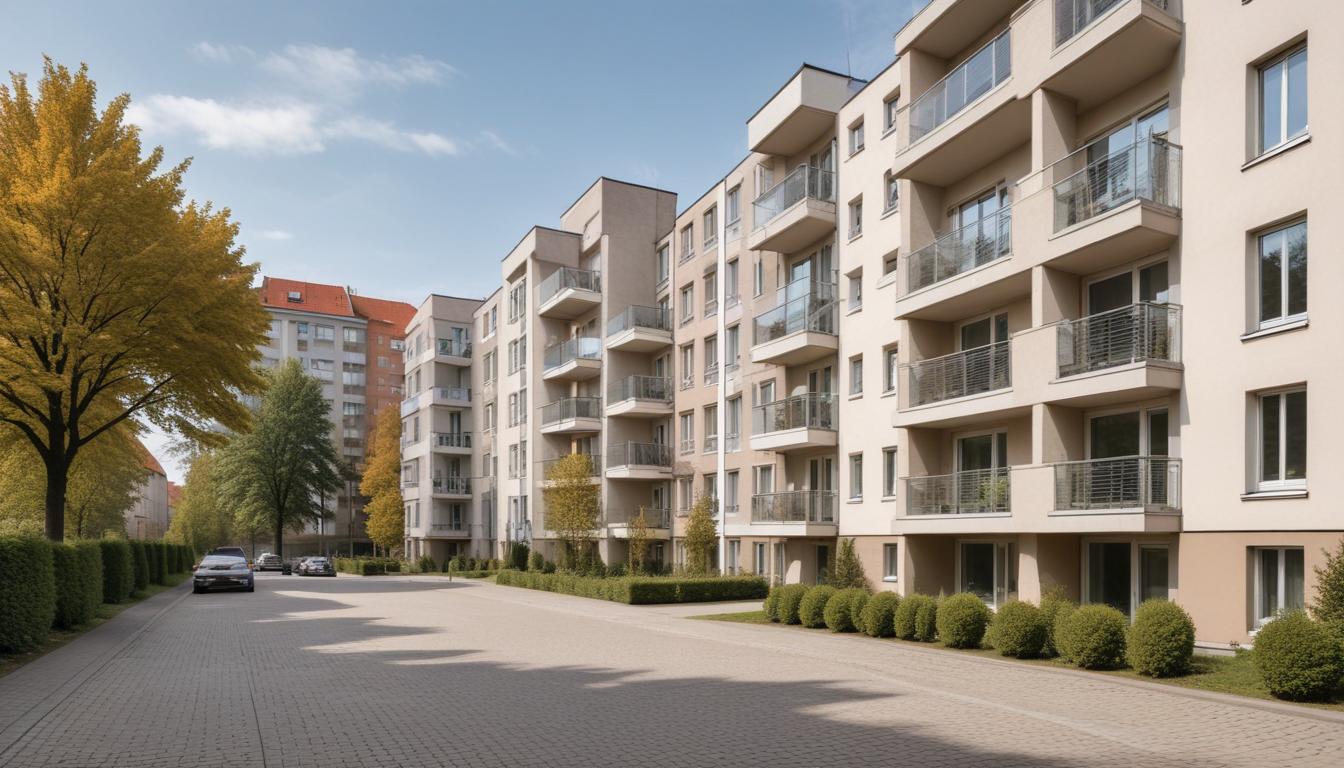
For years, Lichtenberg existed in the shadow of Berlin's trendier neighbourhoods. But as housing costs across Mitte and Prenzlauer Berg continue their relentless climb—now regularly exceeding €8,000 per square metre—savvy investors and housing advocates are recognising the potential in this historically undervalued eastern district, where prices hover around €3,800/sqm.
The shift marks a significant moment for Berlin's affordable housing landscape. Unlike speculative investment in Friedrichshain-Kreuzberg, where gentrification has already priced out working families, Lichtenberg still offers genuine opportunity for mixed-income developments. The district's proximity to the M10 tram line connecting directly to Alexanderplatz, combined with the S-Bahn network centring on Lichtenberg station, makes it genuinely urban rather than peripheral.
Recent municipal planning initiatives have accelerated interest. The Rummelsburger Bucht waterfront regeneration project, spanning the industrial heritage zone between Friedrichshain and Lichtenberg, has attracted both cultural institutions and housing developers committed to social-rent models. Similarly, the Köpenicker Straße corridor—stretching through Friedrichshain into Lichtenberg's Ostkreuz neighbourhood—is seeing renewed attention as a cultural and residential spine.
The appeal extends beyond economics. Lichtenberg's Sowjetische Ehrenmal (Soviet War Memorial) and Tierpark Berlin anchor civic identity, while venues like the Kunsthofpassage creative quarter signal cultural vitality without the price inflation of tourist-saturated zones. The district's strong community organisations, including Genossenschaftsforum and various tenant cooperatives, have established frameworks for genuinely affordable housing rather than speculative development.
This matters precisely because Berlin's tenant protections—among Europe's strongest—create conditions where affordable housing investment requires patient capital and mission-driven operators rather than quick-flip speculators. Lichtenberg's lower entry prices align perfectly with housing association models and cooperative purchasing power.
The challenge ahead: avoiding the Friedrichshain template entirely. Without proactive social housing requirements and cooperative development frameworks, investor interest could simply accelerate displacement eastward rather than solving it. Berlin's housing crisis demands that emerging neighbourhoods become genuinely mixed-income communities, not merely the next stepping stone in a gentrification chain.
Lichtenberg's window remains open. Whether it becomes a genuine alternative to unaffordable central districts, or merely a temporary depot before further eastward sprawl, depends on decisions being made in municipal offices and housing authority boardrooms right now.
This article was compiled by AI from the sources linked above and screened before publishing. See our editorial standards.
How does this story make you feel?
Spread the word
About this article
Published by The Daily Berlin
Daily brief
Free, in your inbox before 7am. Weekdays.
More in Property