First-Time Buyers Face New Reality: What's Driving Berlin Prices and Where to Find Support Now
Rising construction costs and limited inventory are reshaping the entry-level market—here's what grants and financing options can actually help.
Rising construction costs and limited inventory are reshaping the entry-level market—here's what grants and financing options can actually help.
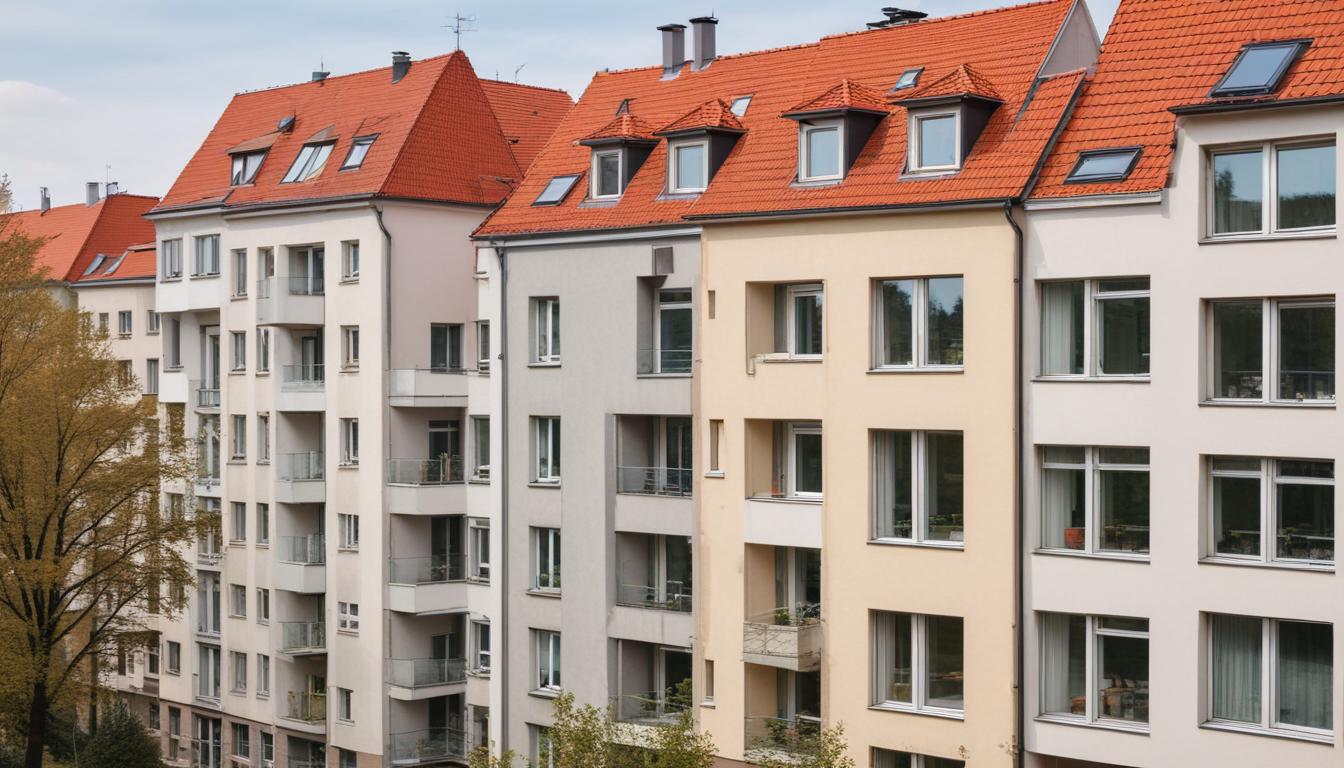
Berlin's first-time buyer market has shifted dramatically. While the city's average of €5,500 per square metre remains competitive by German standards, neighbourhoods that were once affordable entry points have accelerated sharply. A modest 65-square-metre apartment in Friedrichshain now commands €420,000–€480,000, a 22 per cent increase since 2023. For Pankow properties—increasingly popular with young professionals seeking space without Mitte prices—expect €480,000–€580,000 for comparable size.
Two factors are compressing starter-home options: construction material inflation and Berlin's tight rental regulations, which discourage new residential development. The KfW Development Bank reported that new-build financing in Berlin rose 18 per cent year-on-year through 2025, reflecting higher build costs passed to buyers. Second-hand stock remains scarce, keeping pressure on existing properties.
For first-time buyers, federal and state support structures matter more than ever. The KfW's "Wohneigentum für Familien" (home ownership for families) programme now offers preferential rates for households earning up to €90,000 annually—expanded thresholds recognising Berlin's cost-of-living squeeze. The Investitionsbank Berlin (IBB) administers local grants up to €50,000 for qualifying buyers in designated growth areas like Köpenick and Marzahn-Hellersdorf, though competitive demand means fast-track applications are essential.
The Berlin Senate's 2026 housing strategy emphasises mixed-tenure development along corridors like the Spree waterfront and around U-Bahn nodes in Lichtenberg. This signals where inventory growth is planned—potentially moderating price escalation in secondary neighbourhoods over the next two years.
Tenant protections also create hidden costs. Berlin's Mietpreisbremse caps rent increases but discourages landlord investment in upgrades. Owner-occupiers avoid this friction, making self-occupied purchases more attractive to private capital than investment flats. This structural preference has widened the gap between owner-occupied and investment properties.
Smart buyers are working backwards from neighbourhoods with genuine transport links and job proximity—not just trend status. Neukölln's Richardplatz precinct and Wedding's development zones near the Panke offer better value than saturated Kreuzberg or Charlottenburg. Engaging a Finanzierungsberater (financing advisor) certified by the Verband der Privaten Bausparkassen is advisable; they navigate grant timing and rate-lock windows that generic bank staff may miss.
The message: prices aren't stabilising, but targeted financing and strategic location choice remain viable pathways for Berlin's emerging homeowners.
This article was compiled by AI from the sources linked above and screened before publishing. See our editorial standards.
How does this story make you feel?
Spread the word
About this article
Published by The Daily Berlin
Daily brief
Free, in your inbox before 7am. Weekdays.
More in Property