Köpenick’s Riverfront Renaissance: Berlin’s Waterfront Suburb Surges in Value
With strong price growth and lakeside appeal, Köpenick is emerging as Berlin’s latest residential and investment hotspot.
With strong price growth and lakeside appeal, Köpenick is emerging as Berlin’s latest residential and investment hotspot.
Berlin’s lakeside suburb of Köpenick is rapidly outpacing the city’s average price growth, as riverside apartments and historic Altstadt blocks see renewed urgency from house hunters and investors alike. The borough’s average price per square metre jumped past €5,900 in Q2 2026, topping Berlin’s citywide mean of €5,500 and putting it on par with trendy zones like Friedrichshain-Kreuzberg.
At a time when Berlin’s inner quarters strain under inventory shortages and rising heatwaves send residents searching for relief, Köpenick’s access to waterways and urban green space is a powerful lure. The district, framed by the winding river Spree and Germany’s largest urban lake, Müggelsee, combines a historic small-town vibe with direct S-Bahn links to Alexanderplatz. As waterfront living gains prestige in a city without a true coastline, buyers are increasingly opting for addresses on Grünauer Straße and Alt-Köpenick, trading U-Bahn commutes for weekends on the water.
“People want the river at their doorstep,” said a leasing manager at Wohnungsbaugesellschaft Berlin-Mitte GmbH, which recently completed 74 new-build units near Schlossplatz Köpenick. Neighbourhood attractions like the sprawling Schlosspark and the classic cobbles of the old town square have become key selling points. Bootshaus Hafenküche, a riverside restaurant and boat rental on Wendenschloßstraße, reported a 40% jump in summer foot traffic compared to 2024, as more new residents seek out leisure and lifestyle amenities on the water.
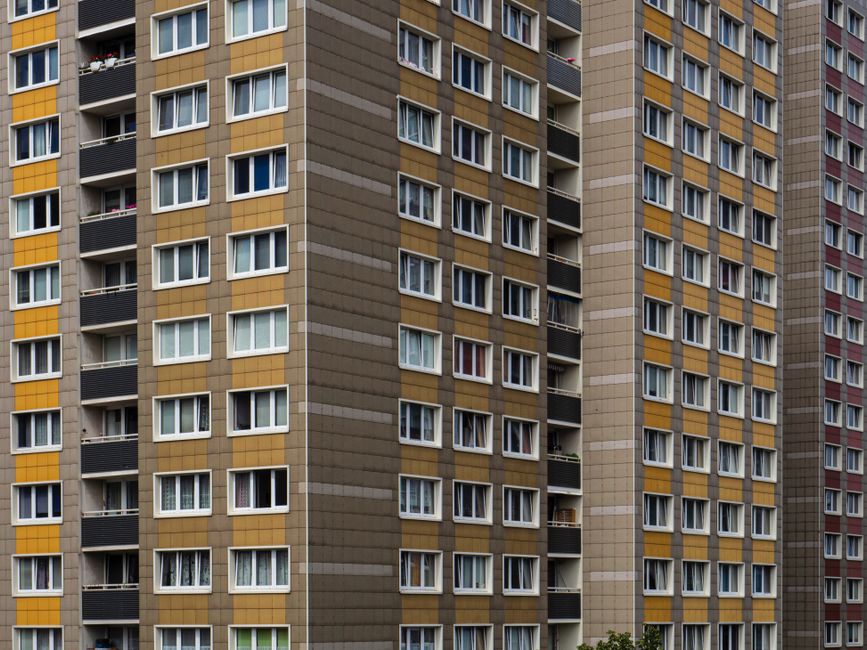
Numbers from Immobilienscout24 indicate sharp momentum: the median asking price for new flats in Köpenick rose to €6,210 per square metre in June 2026, up 12% year-on-year and outpacing both Pankow’s family-driven growth and the established premium of Mitte and Prenzlauer Berg. Even 1970s-era panel blocks along Salvador-Allende-Straße have seen a surge of investor interest: KIM Immobilienverwertung GmbH concluded sales of six one-bed flats in May at over €4,800/sqm, eclipsing local expectations for secondary stock.
The district’s planning office points to nearly 1,100 new housing units in the development pipeline for 2026-27, including the river-facing “SpreeLofts” project and upgraded recreation zones along the Dahme. Rental yields have ticked up to 3.5%-4% for waterfront micro-apartments, according to JLL Berlin’s June property briefing, thanks in part to robust tenant protections and tight supply from Mitte eastwards.
Investors with an eye on climate resilience also cite flood-adaptive construction and future-proofing, citing both the 2025 Dürreschutzplan and the city’s active riverbank reinforcement program, which saw new infrastructure laid along Müggelspree last winter. These initiatives, led by the Berlin Senate Department for Urban Development, have helped ease concerns following last month’s record heatwave that left other German cities bracing for more extreme weather.
For buyers hoping to get ahead of further appreciation, the advice is clear: focus on well-connected, water-accessible addresses near Tram 62 and the S-Köpenick station. With at least three more residential launches expected before the year’s end and continued population inflow from central Berlin, Köpenick’s lakeside and riverside stock looks set to hold its value, and its growing place in the capital’s property imagination.
How does this story make you feel?
Spread the word
About this article
Published by The Daily Berlin
Daily brief
Free, in your inbox before 7am. Weekdays.
More in Property